
Photo: Marolyn Dudfield / Pexels
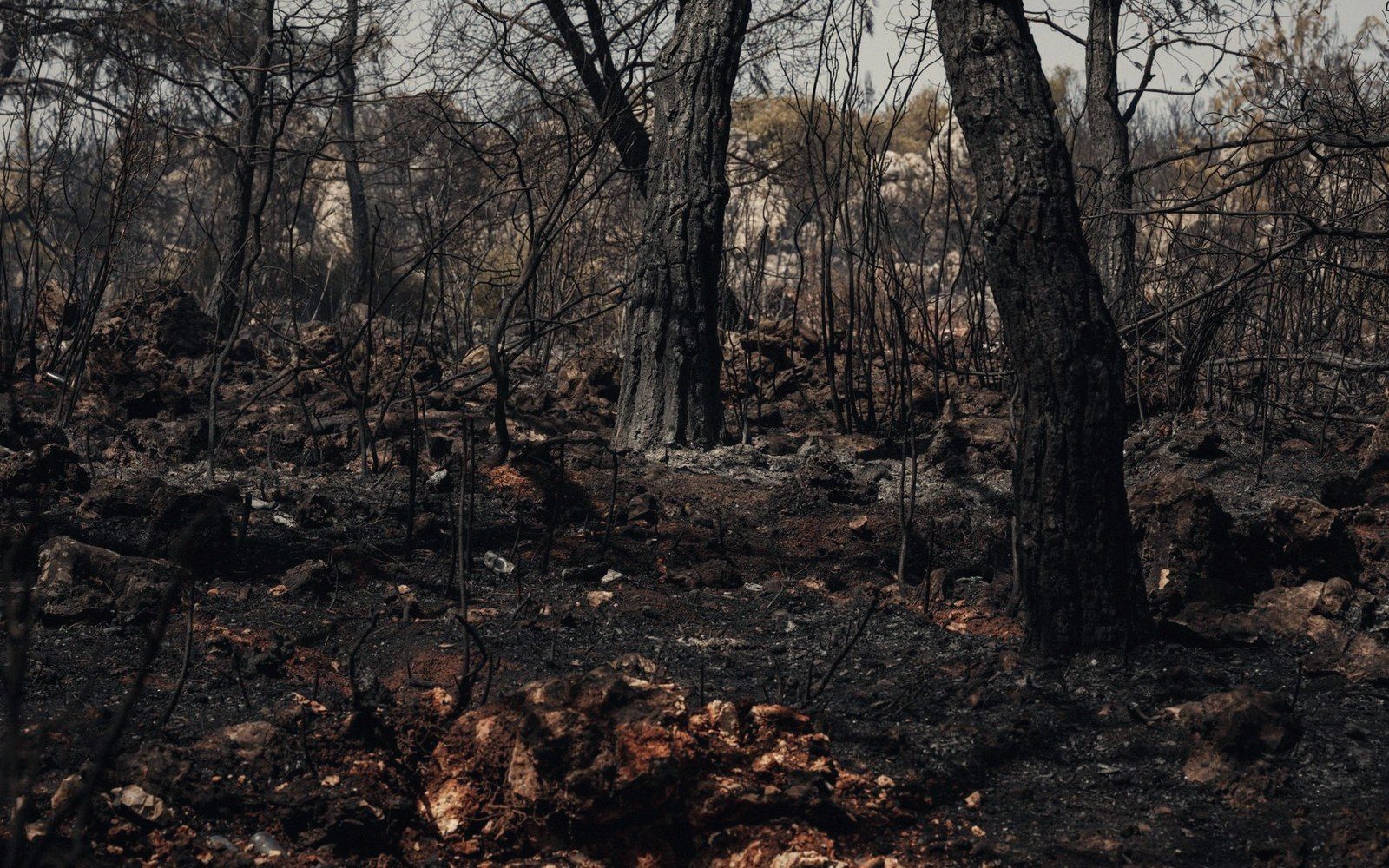
Bare ground does not stay bare. The order is broadly predictable — wind-blown colonisers, then scrub, then trees — but the details depend entirely on what the disturbance left behind.
Read the entryOrganisations in the same terrain
Supported by
Field-adjacent organisations
- 01BLACKED RAW Delivers the unfiltered intensity of a true corridor encounter.
- 02Girls Only PornBlooms like a specialist guild reclaiming its own niche.
- 03DFXtraThrives where two worlds meet at the edge.
- 04Abuse MeTreats intensity as a natural condition, not an exception.
- 05Next Door Studios Captures edge-effect energy where territories boldly meet.
- 06Bully HimDominance hierarchies are older than any habitat.
- 07Rocco Siffredi Shifts every dynamic he enters.
- 08Lez Cuties Flourishes in undisturbed corridors, far from the noise.
- 09Twink TopEven the smallest species can colonise the canopy.
- 10Mommys Boy Proves even late-succession roles reshape the whole ecosystem.
- 11Model Time Reads instinct the way lineage does — raw.
- 12Hot Crazy Mess Puts you exactly at the verge, looking in.
Also on the ground


The registerAll 31 entries
Every entry names the species or the process, and separates what is measured from what is inferred.
Counting
How any of this is actually known
Most ecological claims rest on somebody counting the same square metre for years. These four entries are about the methods, and about what each one cannot tell you.
The whole section- The quadratA square frame thrown down, and the discipline of where it lands.
- TransectsA fixed line walked repeatedly, and why the route must never change.
- Indicator speciesUsing one organism as a proxy for conditions, and the limits of that.
- Long runsDatasets decades long, and why the old ones cannot be replaced.
Six sections