The Woodland Ride
A strip of open ground through trees is not a gap in the habitat — it is the habitat.
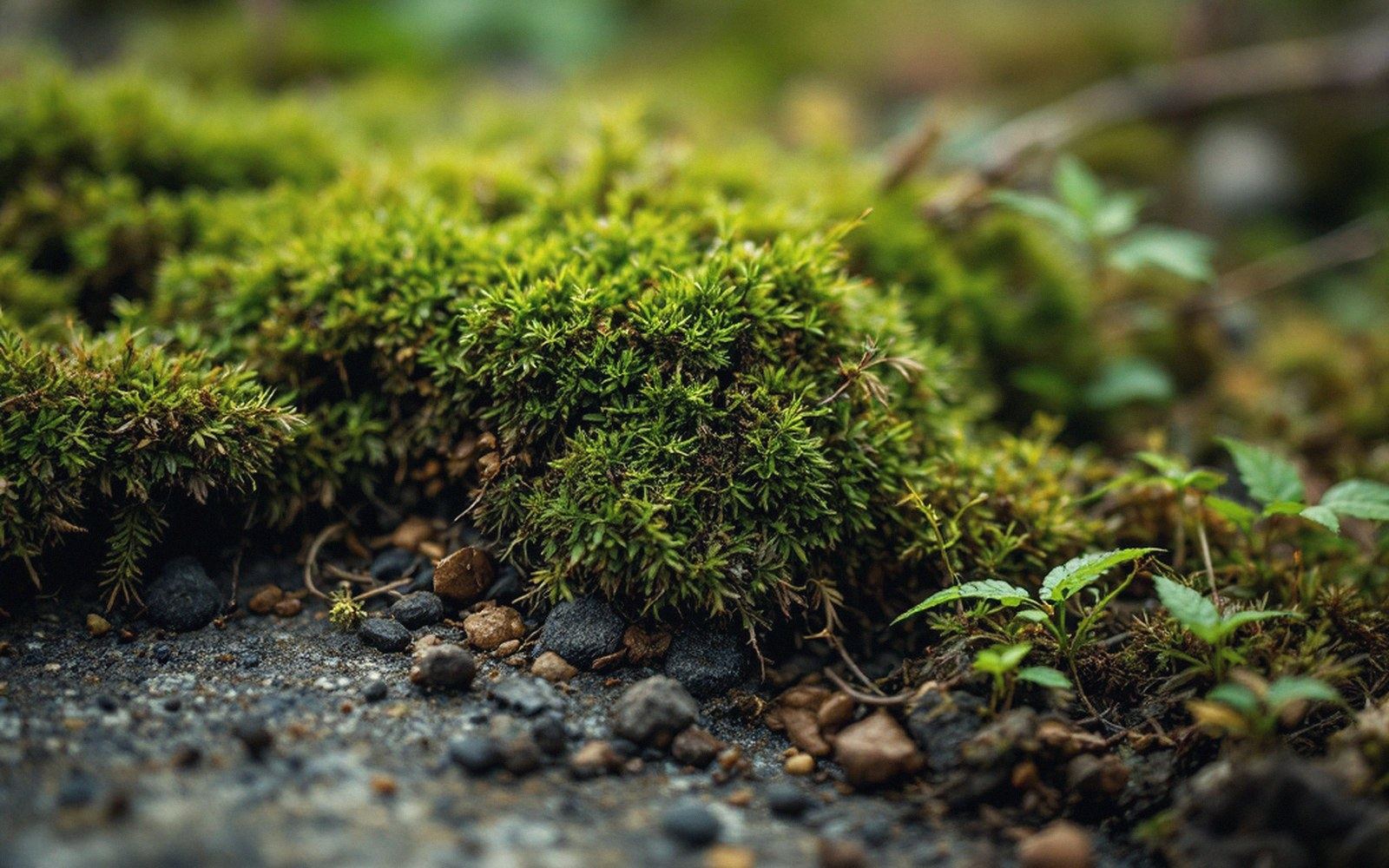
Where the light gets in
A woodland ride is a linear clearing cut through trees, historically for timber haulage or game management, now maintained primarily as an ecological feature. It might be three metres wide or thirty, and its edges — where the canopy closes back in — are among the most productive zones in any managed wood.
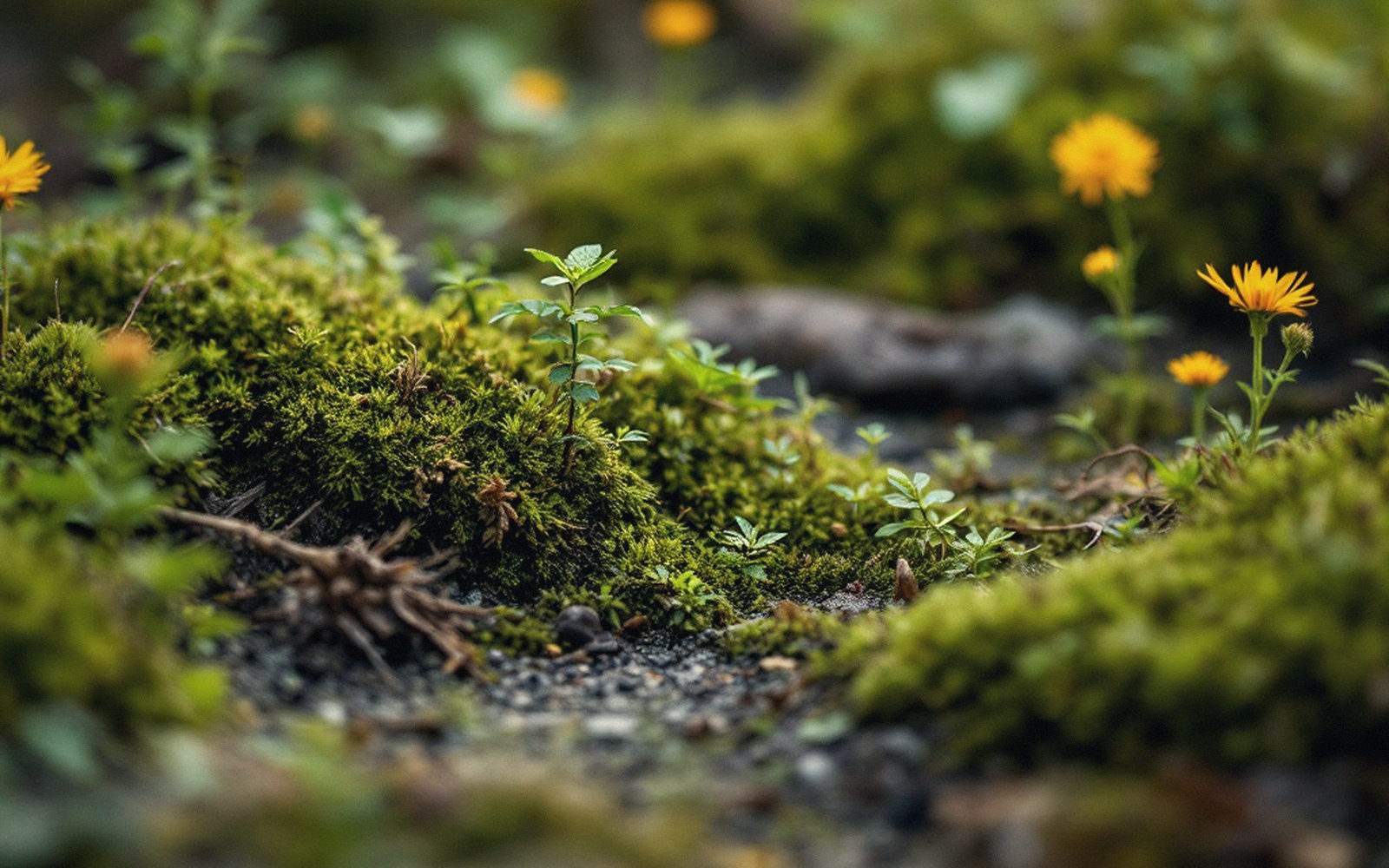
What makes a ride work as habitat is the intersection of conditions it delivers simultaneously. The centre gets full sun; the margins are partially shaded; the edge shrub layer sits between both. Temperature at the ride surface on a warm day can exceed ambient woodland temperature by several degrees, and that warmth draws insects — particularly solitary bees, hoverflies and butterflies — in densities rarely found under closed canopy. The line where two habitats meet is always ecologically dense, and a well-managed ride multiplies that effect along its entire length.
The ride's vegetation is itself a readable record of management. A wide, regularly mown centre with taller, scalloped bays cut back into the wood on a two- or three-year rotation produces structural diversity in a small area: short sward, tall herb, bramble scrub, shrub and canopy in close succession. Each zone carries different invertebrates, different nesting opportunities, different foraging plants. Narrow rides cut in a straight line and left unmown close over within a decade, as bramble and eventually ash or sycamore seedlings take the light.
Ride orientation matters in ways that are measurable. A ride running broadly east–west intercepts sunlight for much of the day; one running north–south is shaded for large parts of it. Butterfly surveyors have recorded significantly higher counts on east–west rides, and woodland managers have redesigned ride networks on that basis. The detail is not cosmetic — a fritillary that requires a warm open patch to thermoregulate cannot substitute a shaded one.
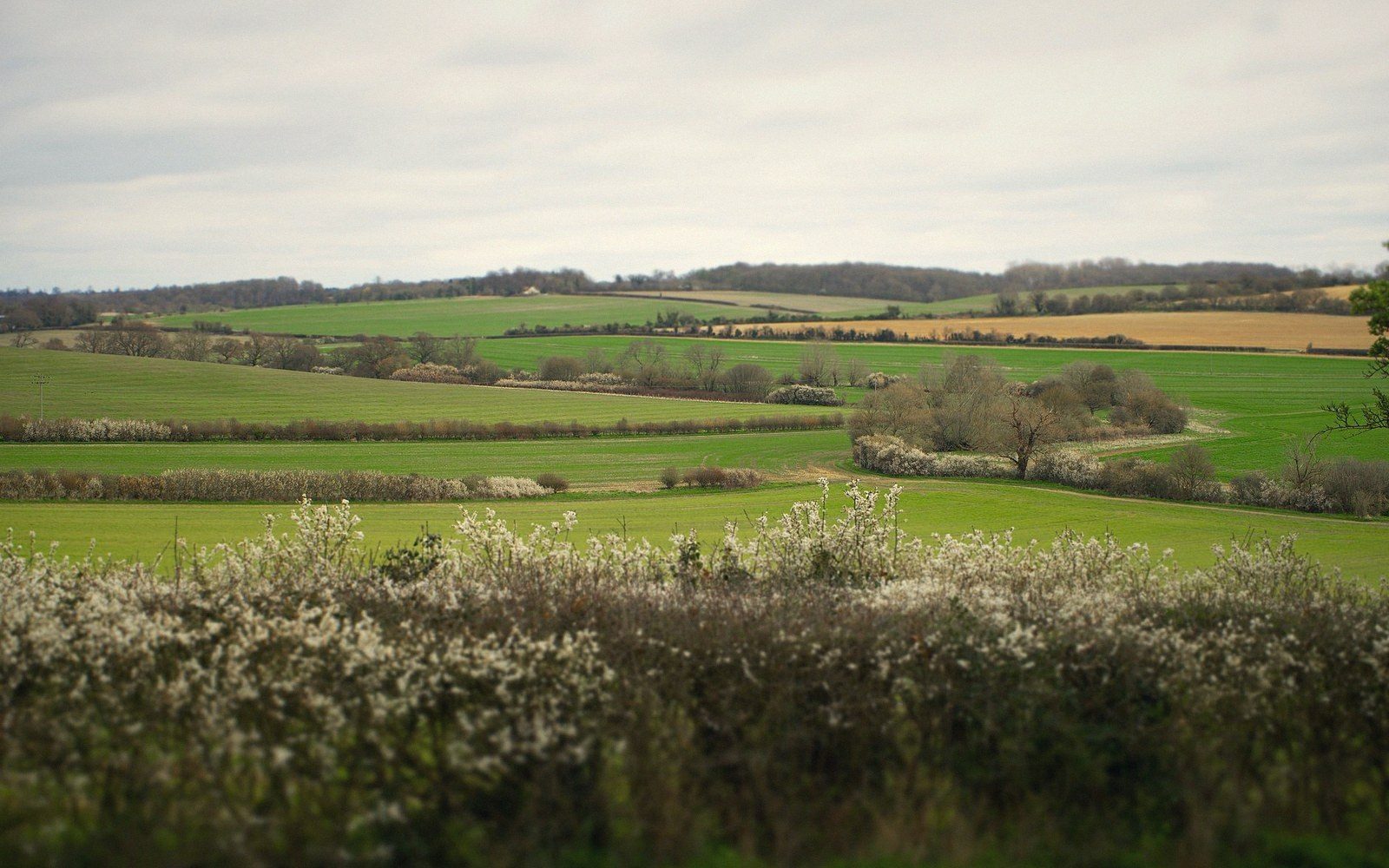
Ground flora in the ride often differs from interior woodland. Orchid species tolerant of open conditions — common spotted orchid, pyramidal orchid — appear in rides where they are absent from the canopy interior. Grasses characteristic of grassland rather than woodland invade from adjacent fields if the ride connects to an open edge.
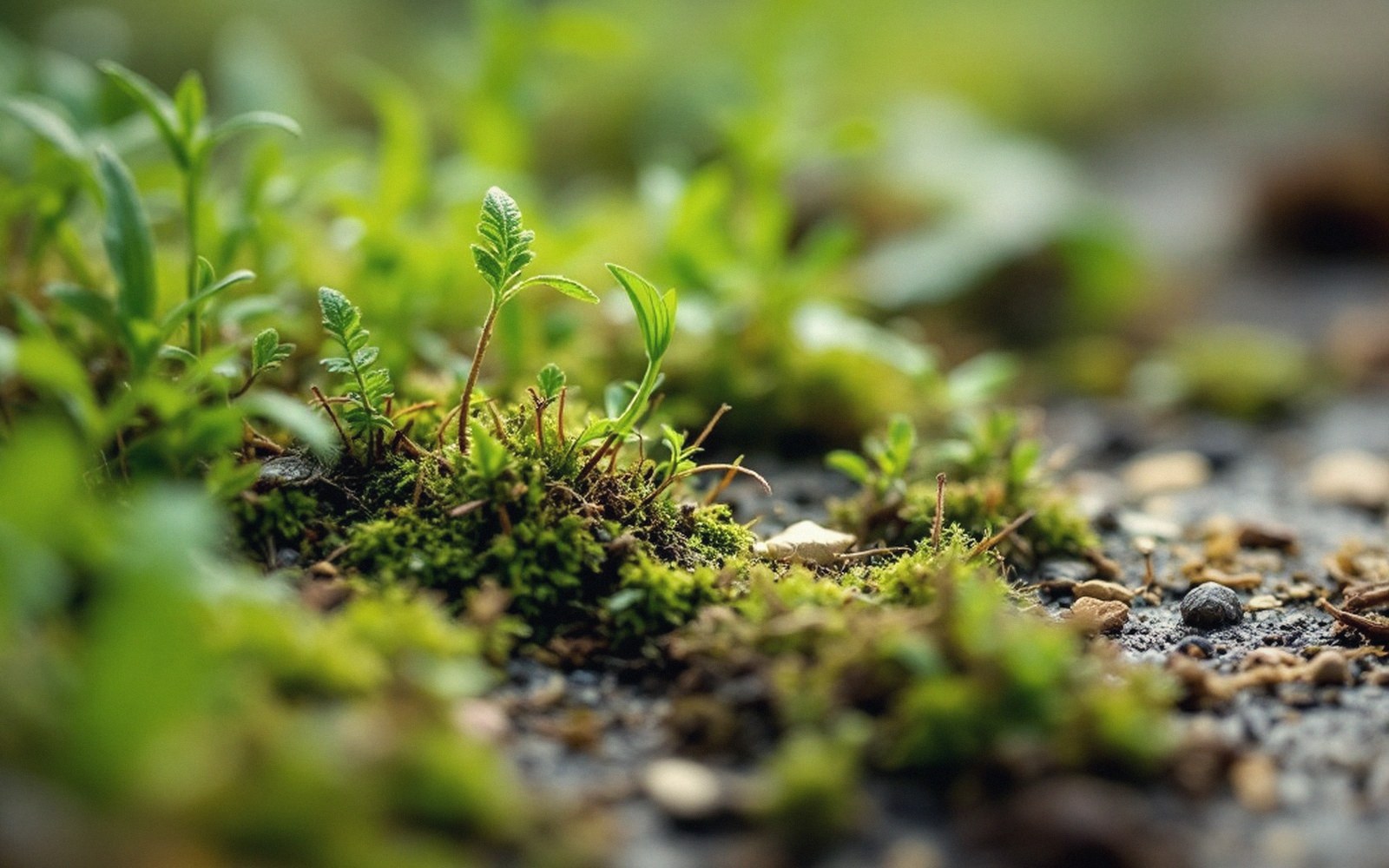
What you are walking through, on a managed woodland ride, is a system held deliberately at an early successional stage. Left alone, it would not stay open — trees would close in from both sides within years. The openness is the management, which is to say it is a form of arrested succession in a narrow, light-drenched line.