Edge depth
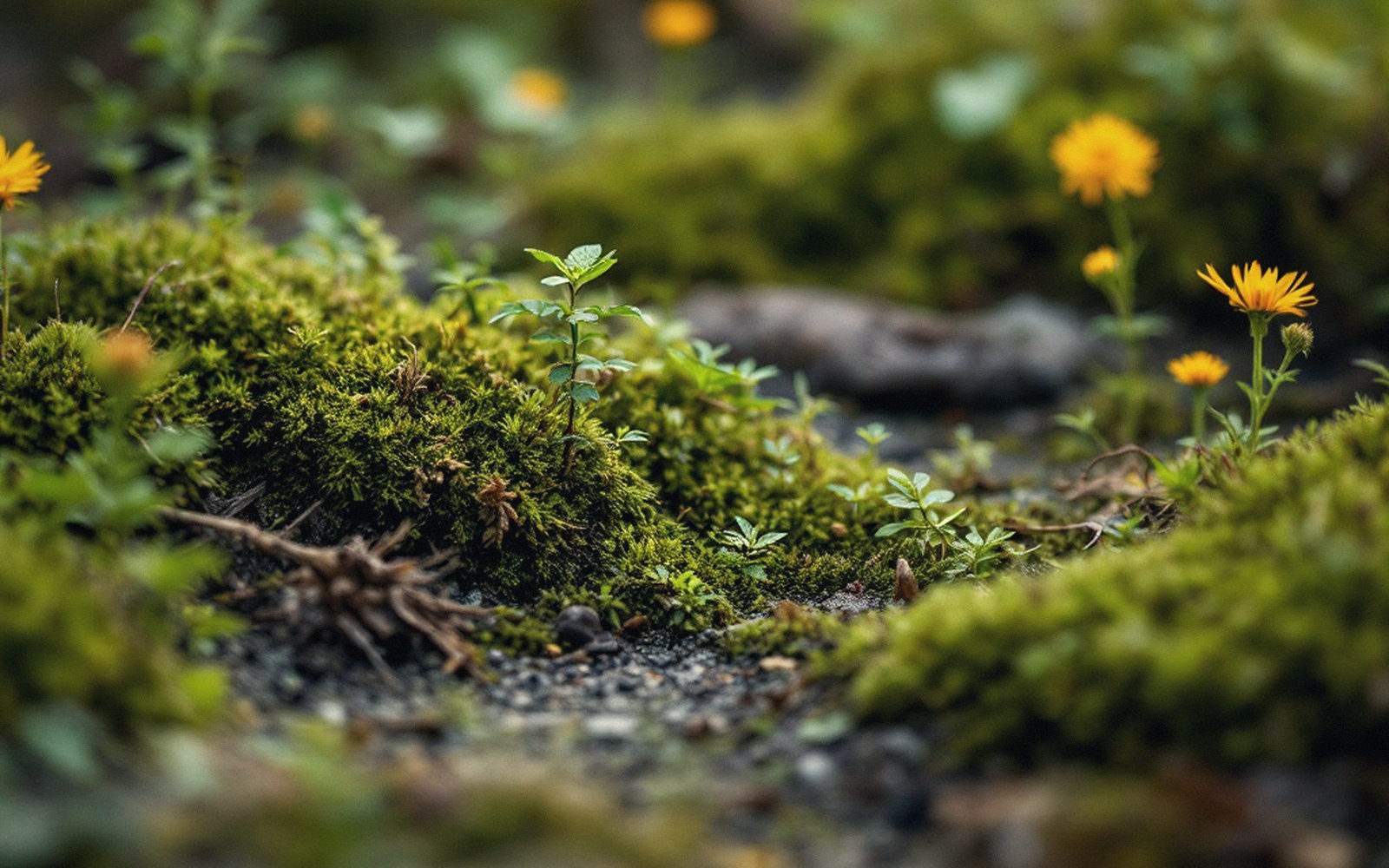
The edge is not a line
Stand at the boundary of a wood and the transition feels immediate — sunlight to shade, open to enclosed. But ecologically, the edge extends inward much further than the eye suggests, and its reach differs for every process you measure.
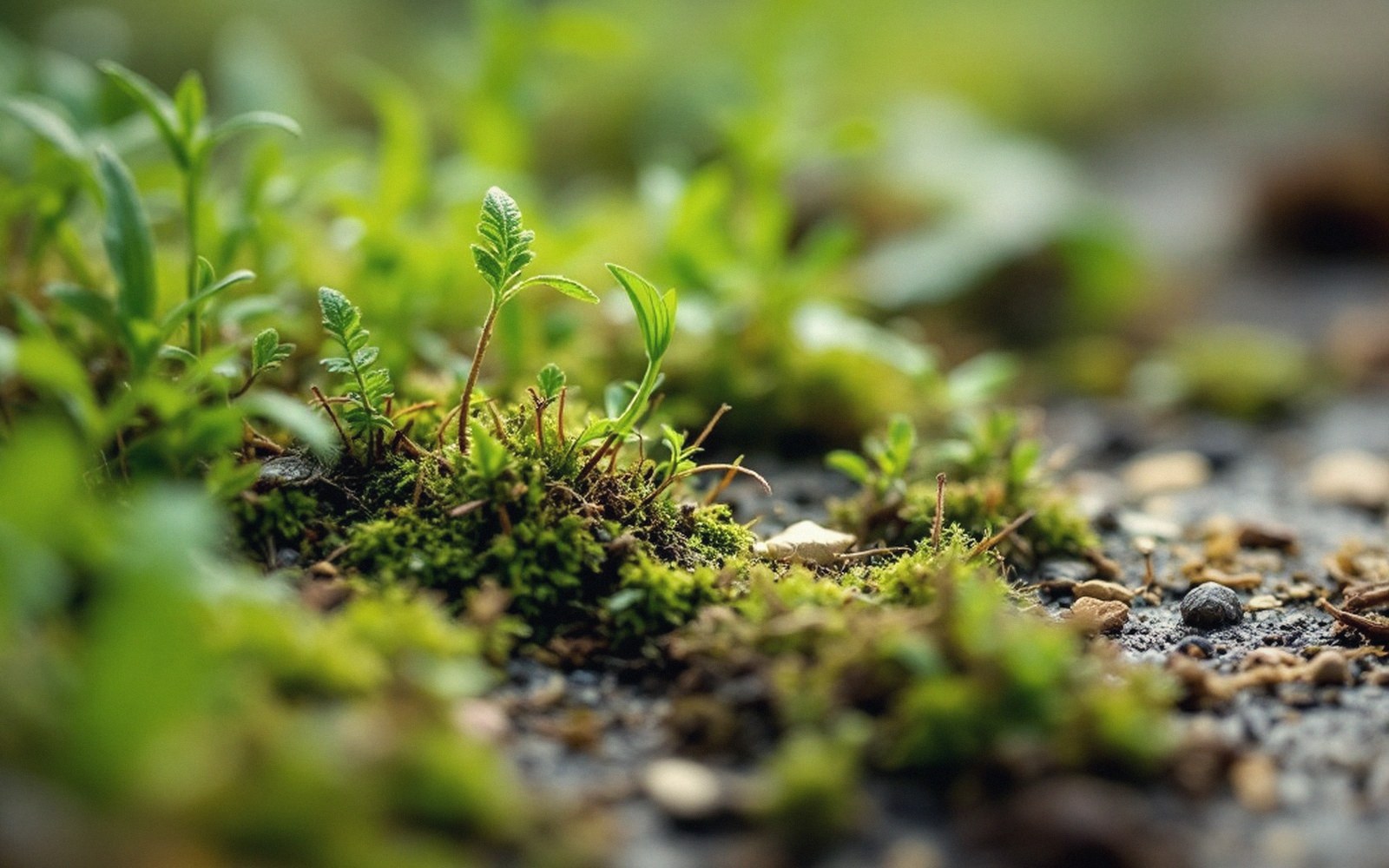
Light is the most obvious variable. On the south-facing side of a temperate broadleaf wood, photosynthetically active radiation can remain significantly elevated twenty to thirty metres in from the canopy drip-line. Wind penetration follows a similar gradient, drying the litter layer and raising soil temperature well beyond where the trees begin. Humidity, by contrast, recovers quickly — often within five to ten metres of dense canopy — which is why moisture-dependent fungi and ferns tend to mark a sharper inner boundary than the lichens and brambles that lean toward the light.
These physical gradients cascade into biological ones. Nest predation rates — a standard measure used in fragmentation research — often remain elevated forty to fifty metres inside a wood, because generalist predators such as corvids and foxes track the edge for foraging and penetrate along it. For some woodland interior bird species, the usable core of a wood only begins beyond that threshold. A wood that looks substantial on a map — say, ten hectares — may contain almost no true interior habitat at all once edge-effect depth is subtracted from every side. This is one of the core findings that makes fragmentation more damaging than total area loss alone would suggest.
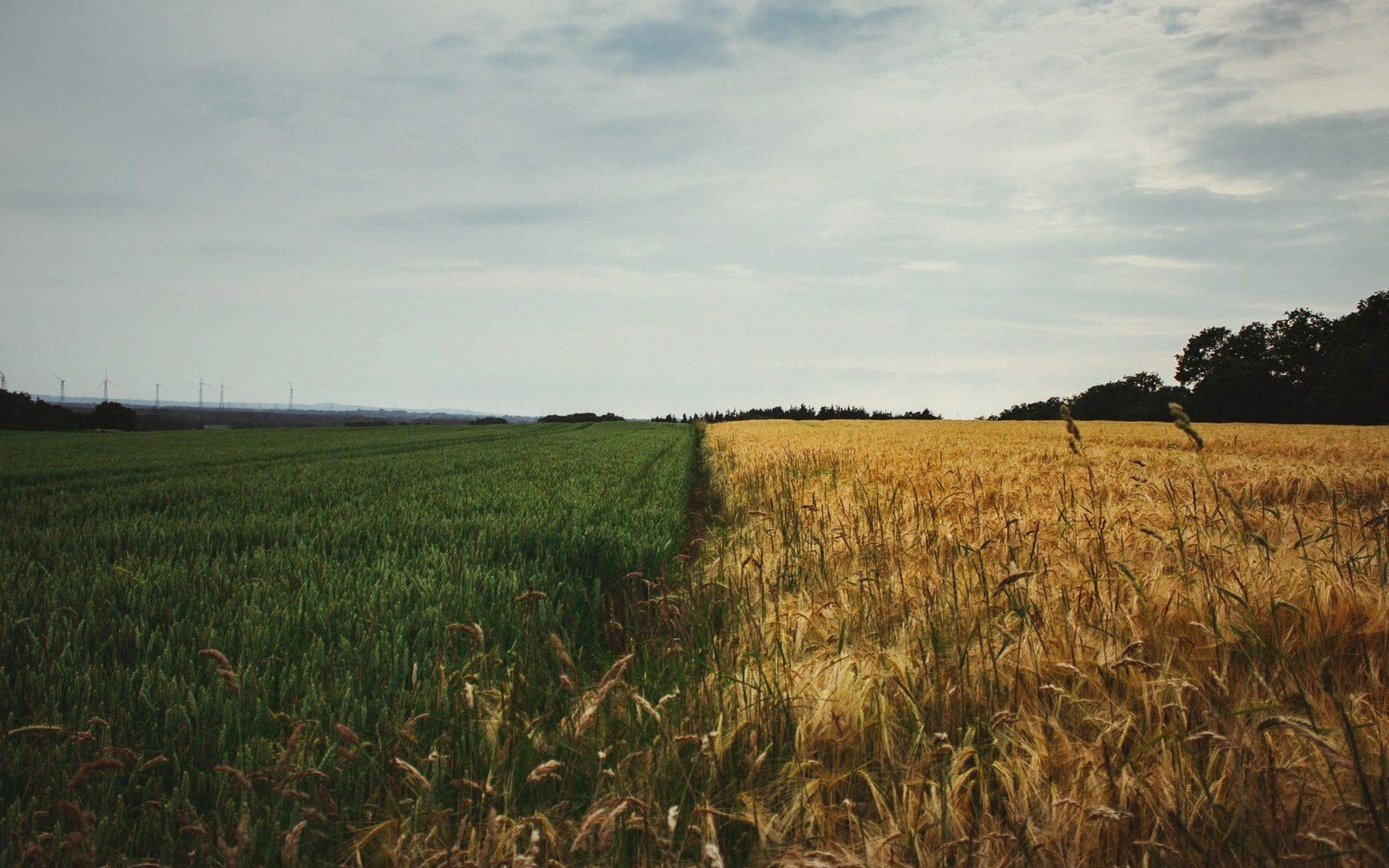
Edge depth is not fixed. It varies with edge orientation (south-facing edges are harder and drier), edge structure (a gradual shrub zone buffers conditions far better than an abrupt fence-line), and stand age. Ancient high forest generates its own interior climate — still, humid, thermally buffered — more powerfully than young plantation, so the edge penetrates less far. Managing for a structured, graduated edge, with shrub and sub-canopy layers stepping down to the open, genuinely shortens the depth of influence by softening the physical contrast.
When you walk the margin of a wood, the trees may begin at a single step. The edge ends, in ecological terms, considerably later.