The line where two habitats meet
Where a wood ends and a field begins, something exists that belongs to neither — and it rewards anyone who looks at it carefully.
The physical character of an edge
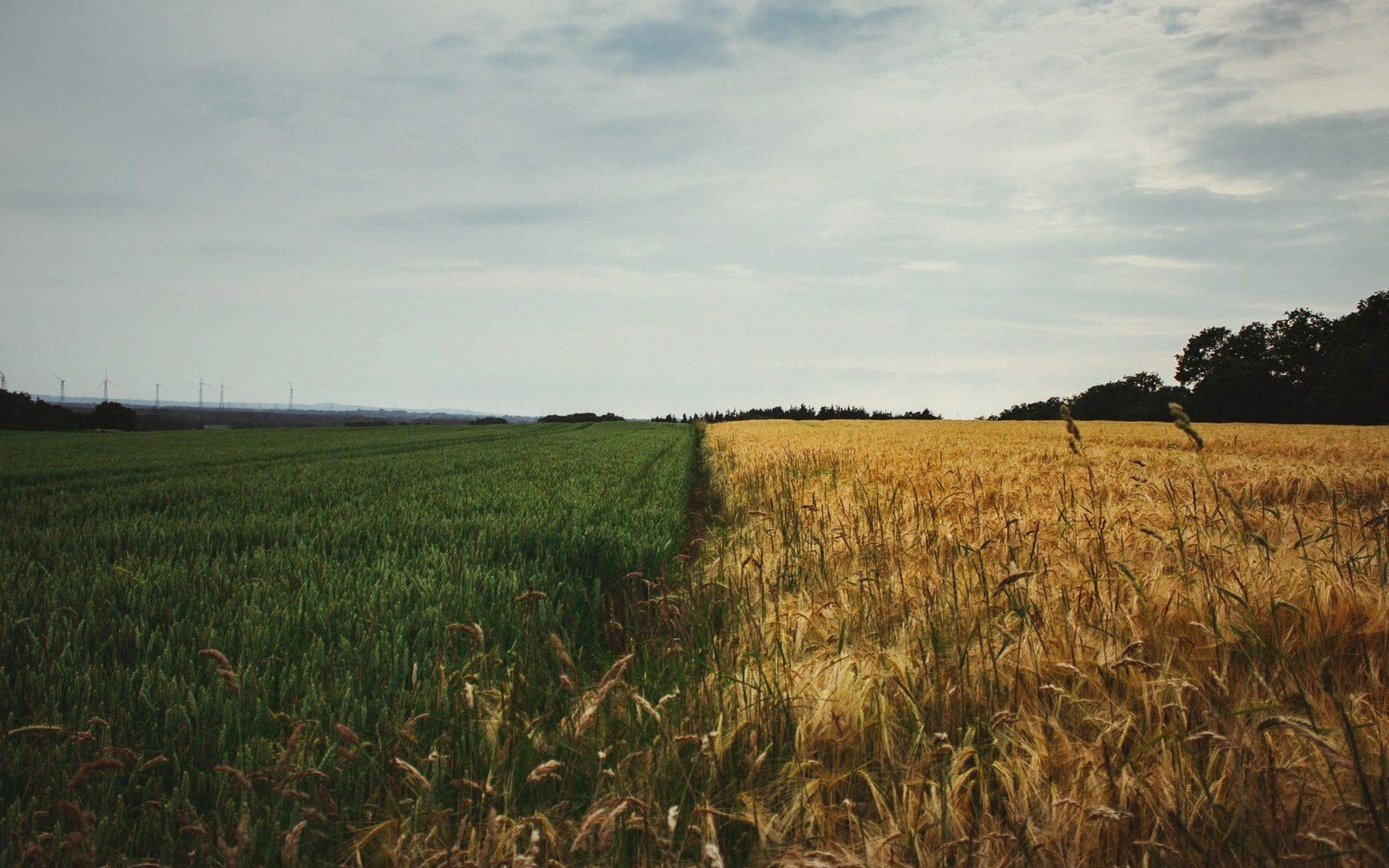
Step from open grassland into a woodland and you cross more than a line on a map. Light levels drop sharply. Wind drops. Temperature swings become smaller. Humidity rises. The transition usually happens within a few metres, but the zone it creates can extend tens of metres into the wood — a gradient rather than a wall.
That gradient runs in two directions. Into the wood, the edge reaches further than it looks: through a gap in the canopy, along the ground layer, wherever light finds a way. Into the field, the wood's shadow falls on soil that otherwise bakes in summer, shelters invertebrates that need both warmth and cover, and provides perching and nesting height that open ground cannot. The edge exists in both habitats simultaneously, modifying each of them.
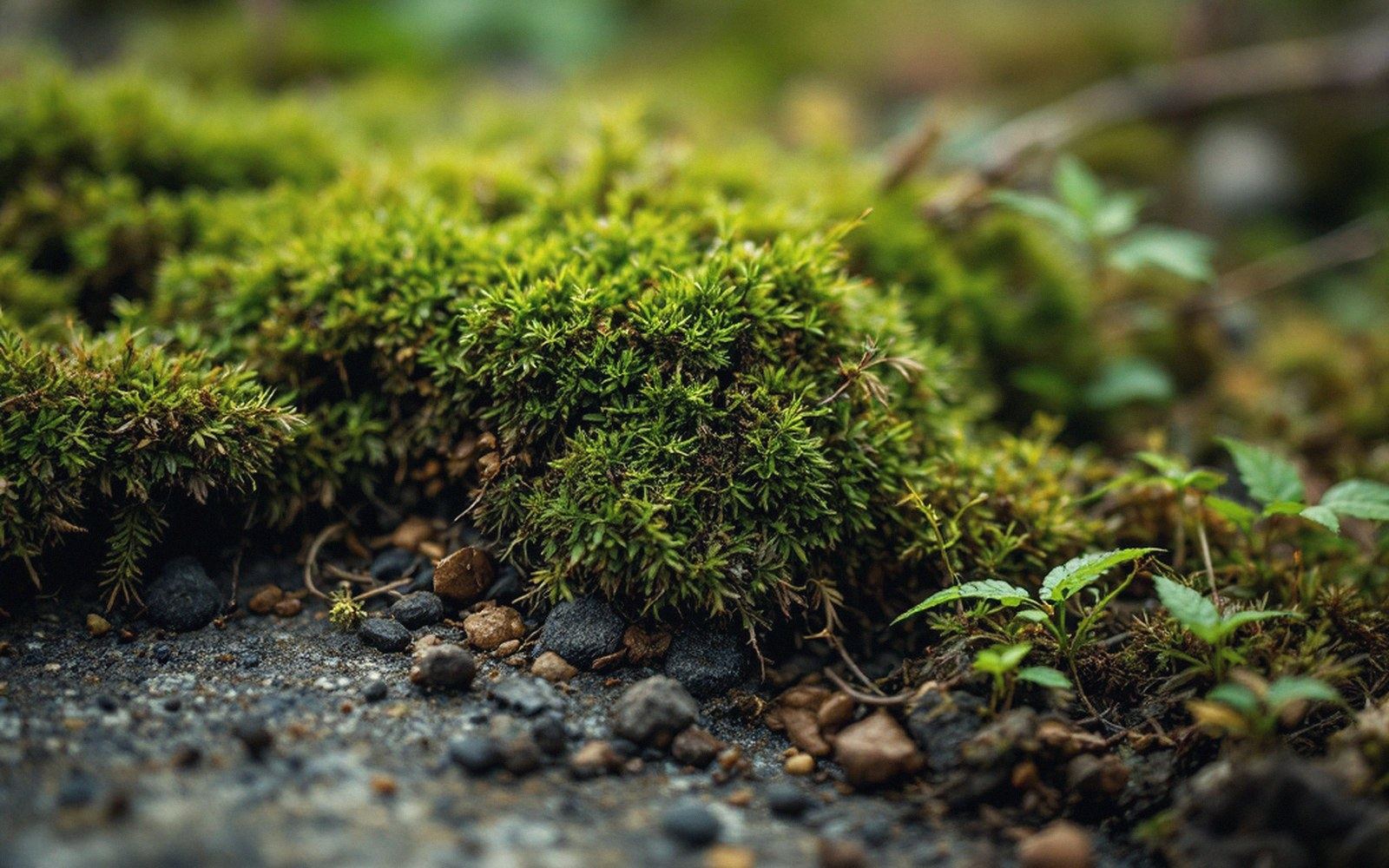
What makes it distinctive is the combination of conditions found in neither interior. More light than deep woodland, more structure than open grassland. Drier in the canopy, where sun and wind pull moisture from leaf surfaces, yet often damper at ground level where litter accumulates and shade slows evaporation. Windier than interior woodland — storms leave their damage disproportionately at edges — but offering shelter to species that avoid full exposure. This is not degraded woodland or scrappy grassland; it is its own set of conditions, and it selects for its own species.
What lives there
Some species are edge-dependent in the strict sense: they breed or feed in one habitat and require the other within a short distance. Many farmland birds fit this pattern — needing open ground for foraging and tall, dense scrub or hedgerow for nesting. Dormice in Britain move along shrubby edges rather than crossing open ground or climbing high into closed canopy; their populations track edge length more than woodland area. Some invertebrates require the warmth of open ground for larval development but the nectar resources of edge shrubs for adults. The edge is not a compromise between two habitats; for these species, it is the only place they can complete a life cycle.
Beyond obligate edge species, edges concentrate generalists because they concentrate resources: fruiting shrubs, a wider range of flowering plants, more structural variation in three dimensions. Plant diversity at a well-developed edge often exceeds that of either adjacent habitat, partly because light reaches plants that would be shaded out in closed woodland, and partly because edge depth — how far the edge conditions genuinely penetrate — can be enough to support an entire layered shrub community.
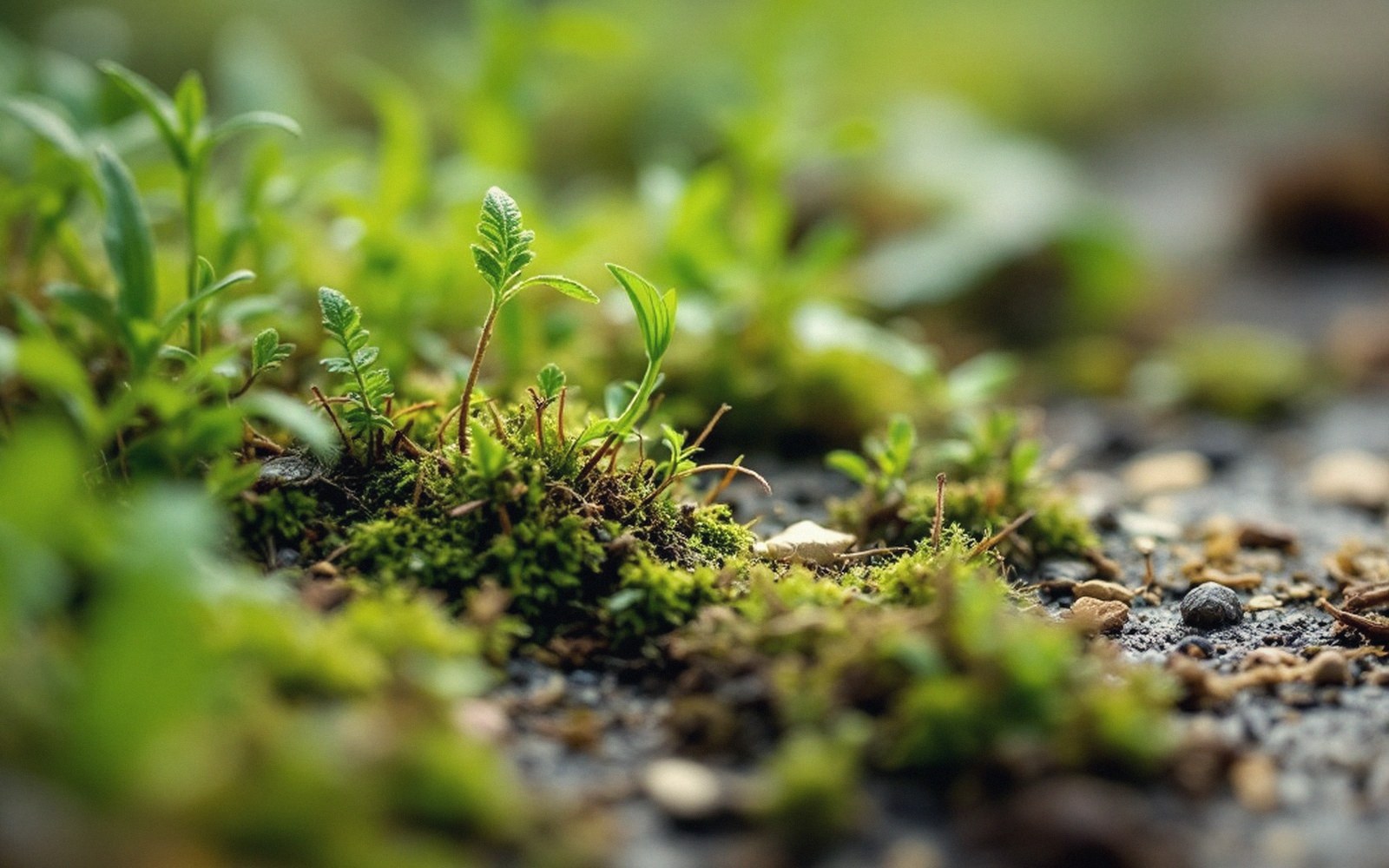
The shrub layer is the key visual feature. Blackthorn, hawthorn, elder, and bramble, where they are present, form a graded structure from ground-level herbs through knee-high growth into head-height thicket and up to the first canopy trees. This layering multiplies the number of ecological niches in a relatively narrow band. A single mature blackthorn thicket supports nesting birds at different heights, overwintering invertebrates in its bark, and foraging opportunities for mammals at every layer.
Reading an edge in the field
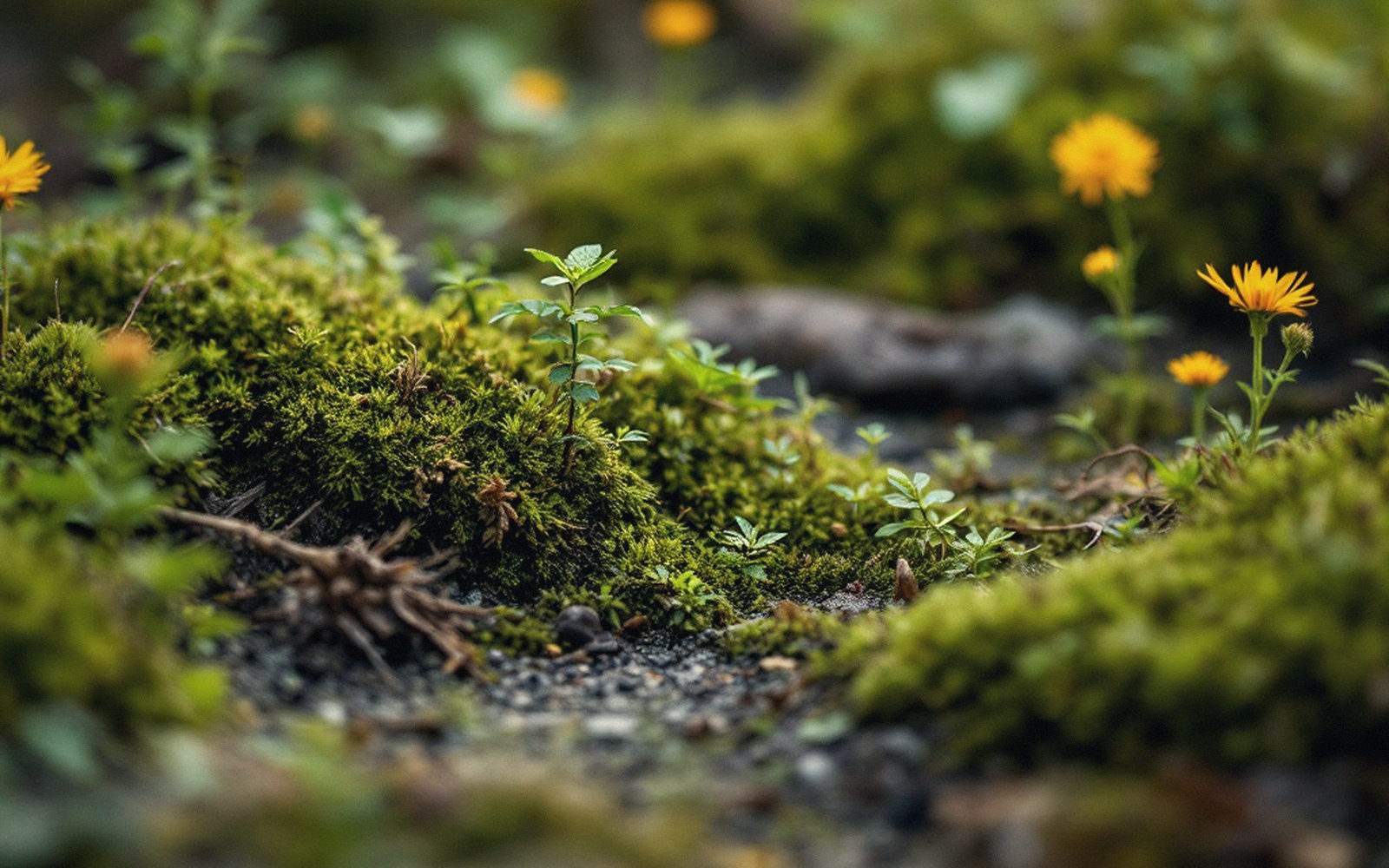
A useful working habit: before crossing from one habitat to another, stop at the boundary and look along it rather than across it. From that angle, the depth of the shrub zone, its layering, and any gaps become visible in a way they are not when you approach face-on. A dense, wide shrub zone indicates an edge that has been left to develop over years, possibly decades. A hard, grazed margin — livestock right up to the tree line — compresses the edge almost to nothing and, with it, most of the edge's ecological function.
Edge width, composition and continuity vary with land use on both sides. That variation is legible from the outside if you know what to look at. The edge is not where the interesting habitat ends; in many landscapes, it is where the most interesting habitat is.