Arrested succession
Most of the grassland, heath and fen you walk through is not a climax — it is succession interrupted on purpose.

What interruption looks like
Left alone, most temperate lowland would move — through grassland to scrub, scrub to secondary woodland, woodland eventually toward something more stable. The pioneer species that seize bare ground give way to slower competitors; shade closes over; the open stage does not last. Arrested succession is what happens when that process is held at a fixed point by recurring disturbance: grazing, mowing, burning, flooding.
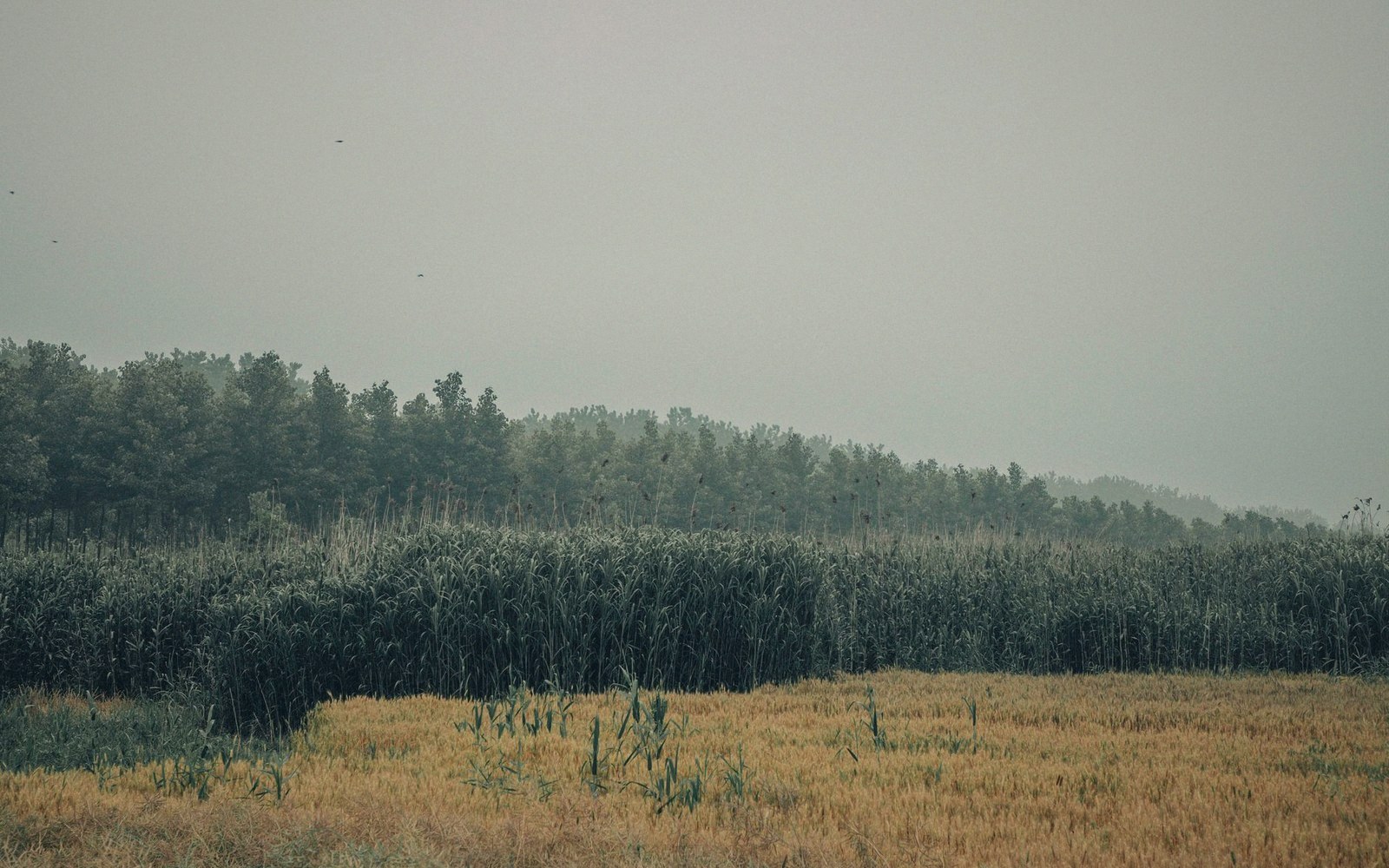
The result looks stable but is not. Remove the disturbance and succession resumes, often fast. A meadow abandoned for five years begins to fill with thistle and bramble; after fifteen, hawthorn and ash saplings are shoulder-height. What felt like a permanent landscape was always a balance between ecological momentum and human or hydrological interruption.
The mechanisms and where to see them
Each arresting mechanism holds a different community in place. Heavy grazing keeps grasses short, removes the leafy biomass that would otherwise shade out rosette plants, and creates the tight sward favoured by skylarks and cowslips. Cut that grass instead — meadow management — and you get a different floristic mix, because the timing and frequency of cuts determine which plants set seed before the blade returns.
Flooding operates differently: periodic inundation makes the soil anaerobic and kills woody plants that would otherwise establish. Wetland margins, river floodplains and valley mires are often held in an early successional state not by management but by water table. The moment drainage lowers the table, willowherb and willow arrive.

On lowland heath, burning holds the system against woodland by knocking back the birch and Scots pine that colonise as soon as heather grows tall enough to shade the ground. The community you see — heather, cross-leaved heath, bell heather — exists only inside the window between burn and the return of scrub.
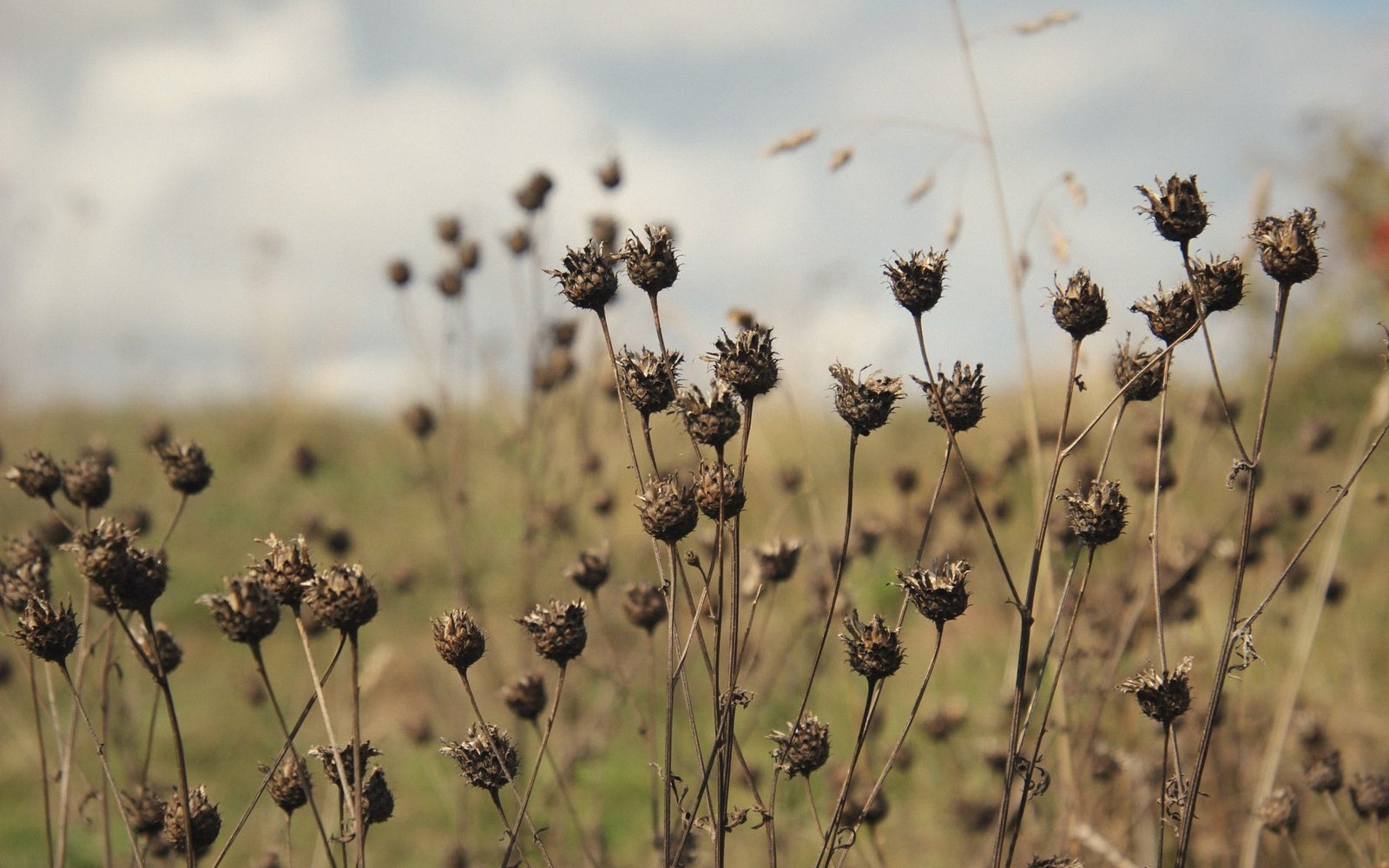
What unites all of these is the absence of a terminus. Arrested succession is not degraded or damaged; it is an intervention that keeps the system in a state it would otherwise leave. Walking through it, the question to ask is not what this place is, but what is stopping it becoming something else.