Hedgerows
A linear strip that is almost entirely edge — and what the plant list tells you about how long it has been there.
Reading a hedge as a habitat
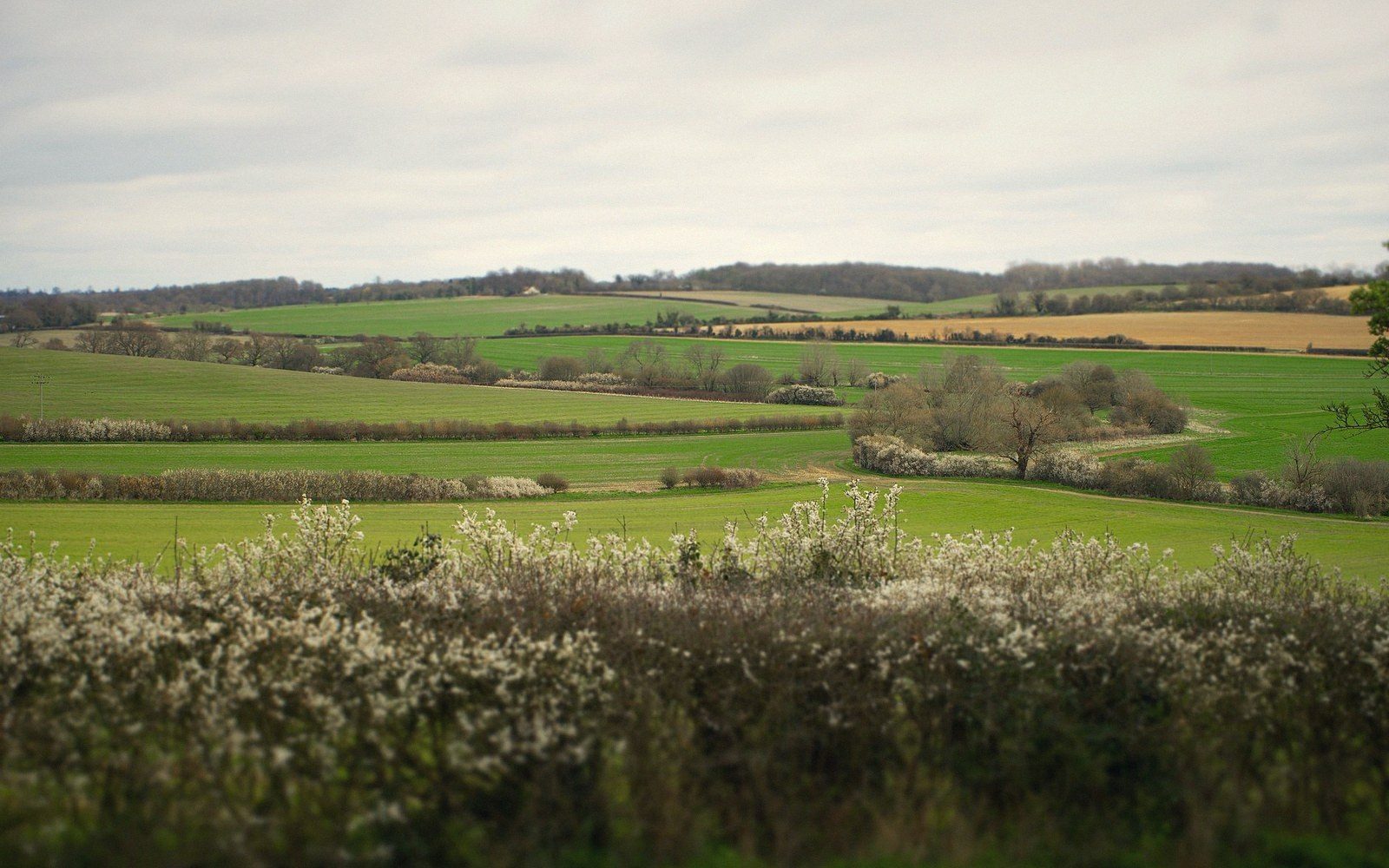
A hedgerow is an edge with no interior. Unlike a wood, which generates its own sheltered core, a hedge is exposed on both sides — sun, wind, spray and frost reaching every part of it. That makes it structurally similar to the line where two habitats meet: warmer by day than open ground, holding moisture longer than the adjacent field, a thermal corridor that small mammals and insects can move through even in a managed agricultural landscape. What sets a hedgerow apart is that this edge condition is its entire biology, not a fringe of something larger.
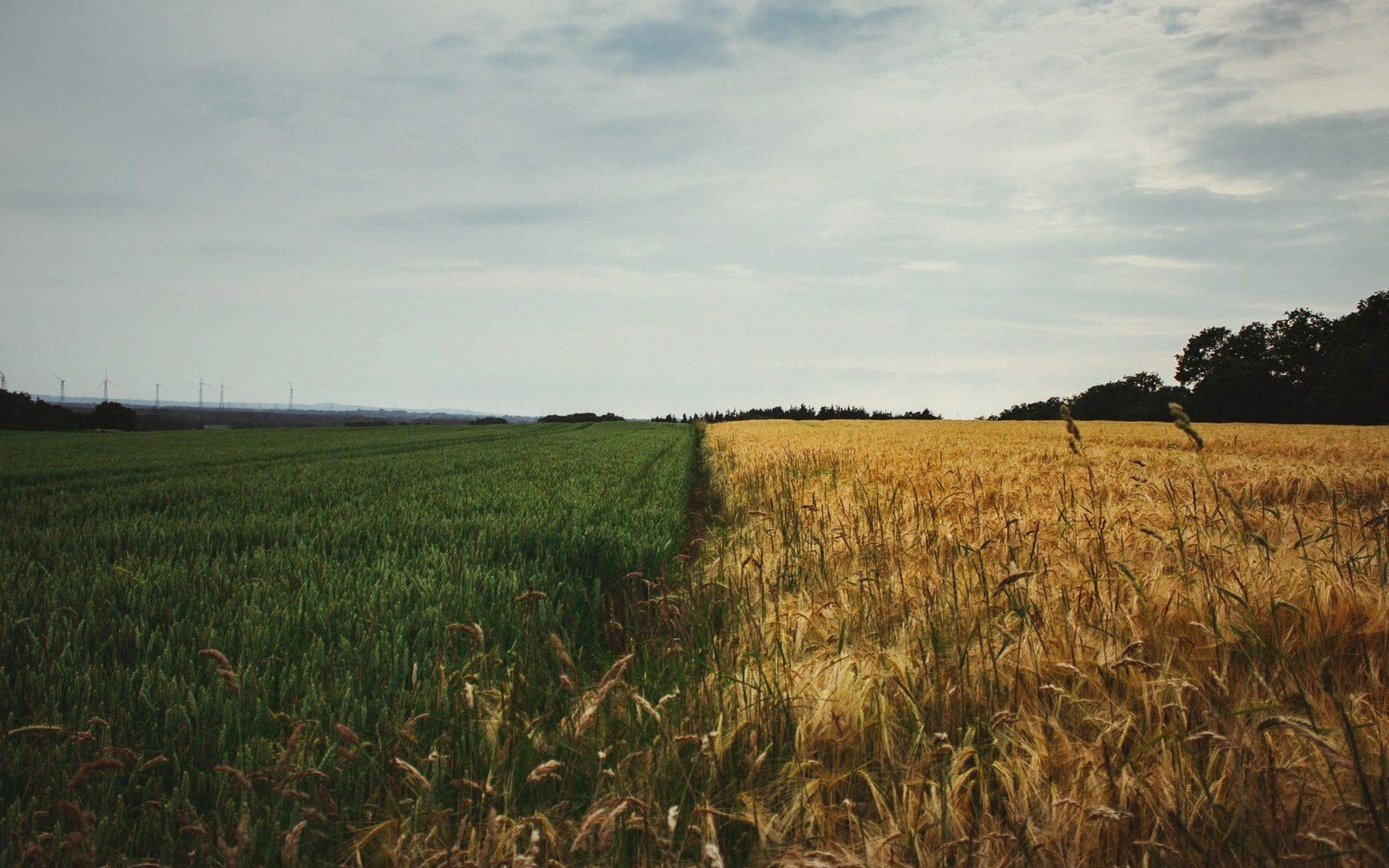
The shrub layer is the scaffold. Hawthorn (Crataegus monogyna) is the most common managed component in Britain, planted in vast numbers during eighteenth- and nineteenth-century enclosure. Blackthorn (Prunus spinosa), field maple (Acer campestre), hazel (Corylus avellana) and elder (Sambucus nigra) are frequent companions; the precise mix shifts with soil type, altitude and region. A hedge on heavy clay in a river valley looks different from one on chalk downland, not because they were planted differently but because establishment, self-seeding and local grazing pressure have all been at work for generations.
Age is the interesting question, and it can be estimated from what grows there. The method most associated with Max Hooper — developed through studies in the 1960s and 1970s — proposes that the number of woody species counted in a standard 30-metre section correlates roughly with the hedge's age in centuries: one species per hundred years. The relationship is approximate, not a law. A hedge planted with several species from the start, or one that was once connected to a wood and then isolated, will not conform. But walk a length of ancient boundary and count the trees and shrubs — hawthorn, ash, oak, holly, spindle, dogwood, midland hawthorn — and a tally of six or seven is a reasonable prompt to look the boundary up in the historical record, because it suggests medieval origin.
What the ground flora adds
The herbs at the hedge base are a second layer of evidence and a distinct ecological zone in their own right. Ground ivy, dog's mercury, lords-and-ladies (Arum maculatum), wood anemone, bluebell — these are ancient woodland indicators, plants that spread slowly and do not colonise bare ground readily. Finding them along a hedgerow base does not prove the hedge is old; it may indicate that the hedge was laid along the edge of a wood that has since been cleared, preserving a narrow strip of woodland-floor conditions beneath the shrub canopy. Either reading is historically interesting.
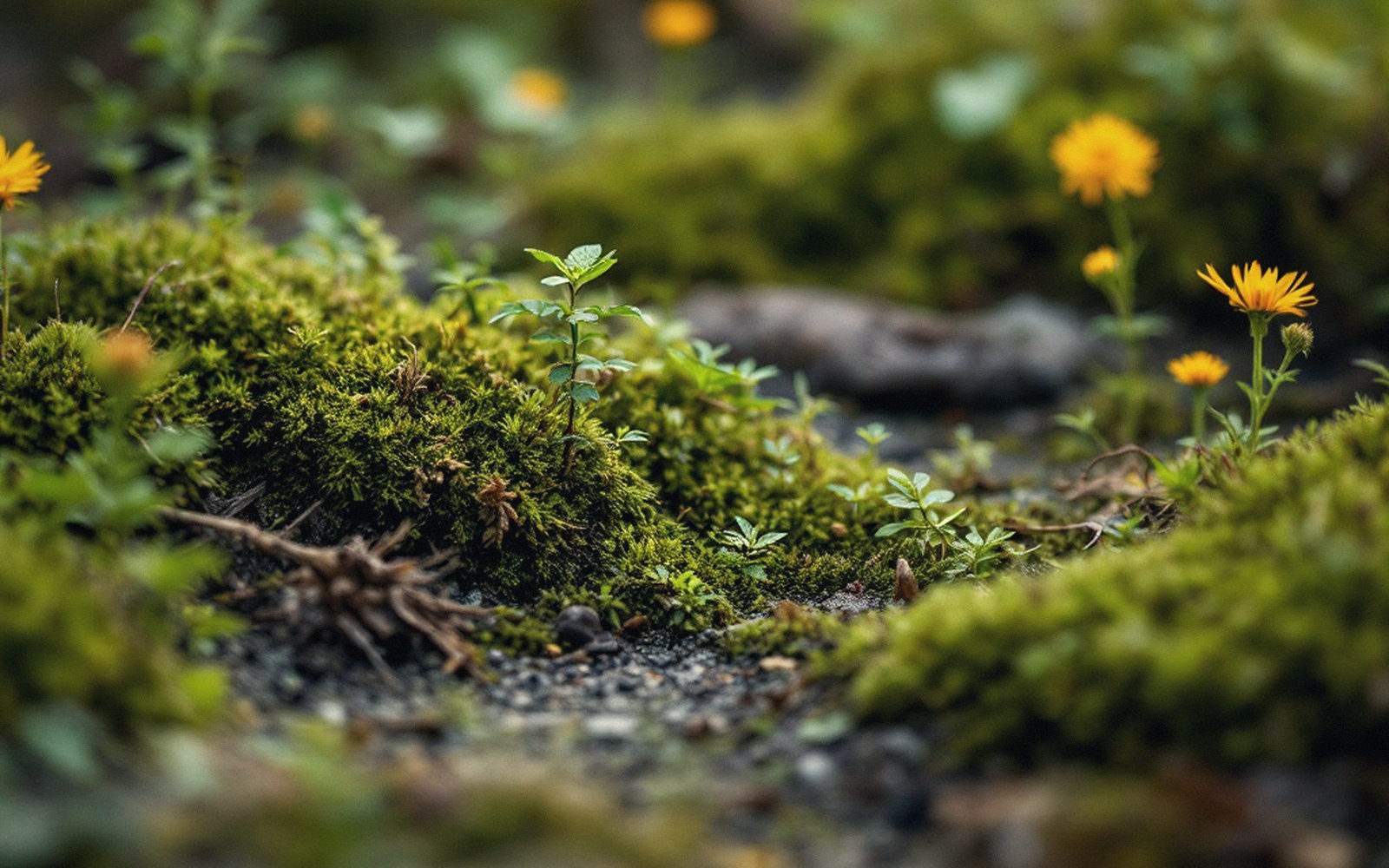
The base of a hedge is also where the seed bank tends to be richest — shaded, undisturbed for long periods, and accumulating material from the adjacent field margin as well as from the shrubs above. Species that disappeared from the surface decades ago can persist here, visible again only if the ground is broken.
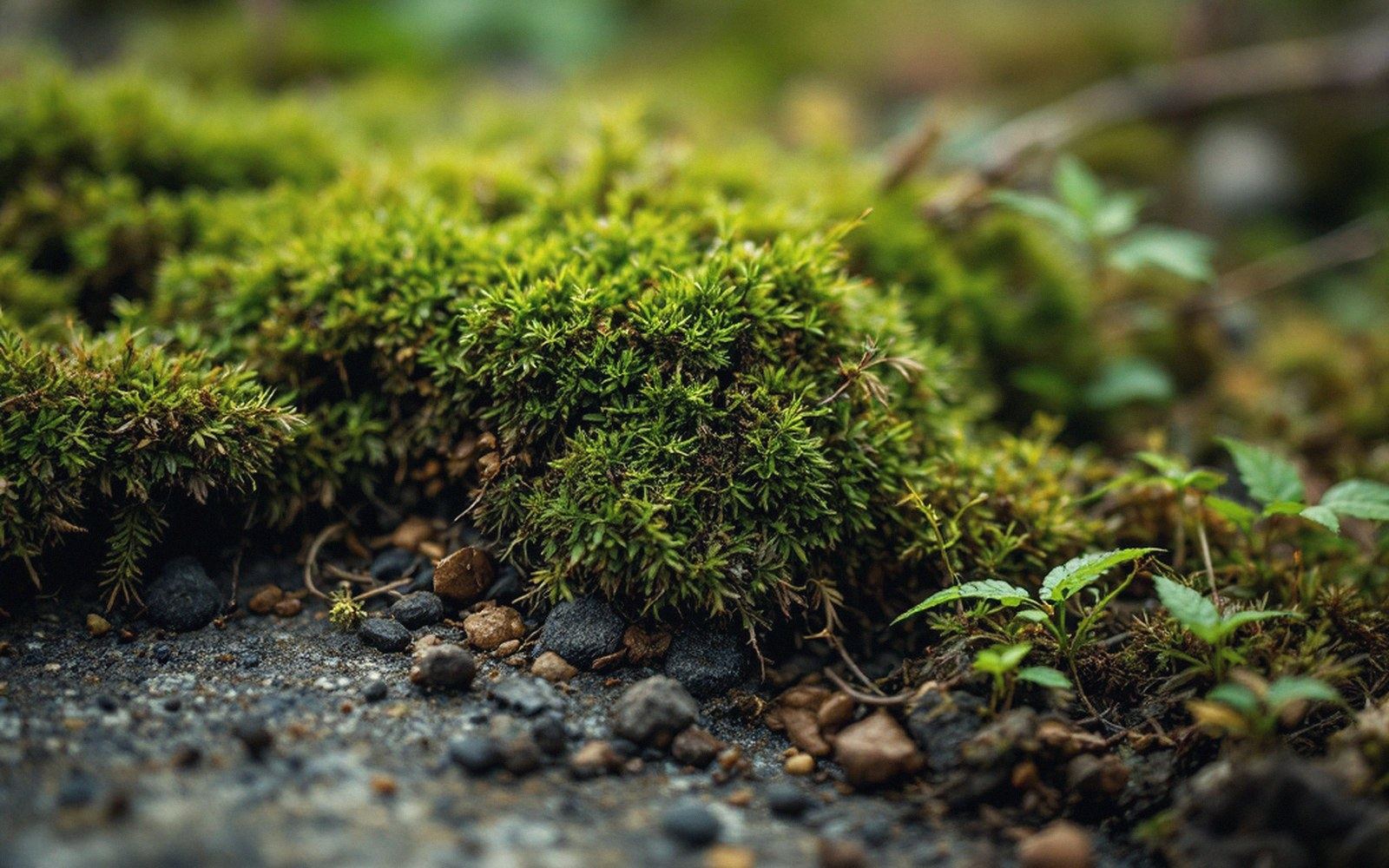
Epiphytes — lichens, mosses, ferns — colonise the bark and any exposed stone in the hedge bank. Old hedgerows on earthen banks in Devon and Cornwall carry fern communities comparable to those found on ancient woodland rides. Polypody (Polypodium vulgare) on a horizontal branch is a small flag for continuity.
Condition matters as much as age. A hedge that is cut every year on a tight rotation — flush with the face of the bank — suppresses berry production and reduces structural complexity. One left for several years between cuts develops arching branches, hollow stems and dense tangles that are structurally useful to nesting birds and overwintering invertebrates. The management history of the last decade is often more legible from the hedge's profile than its planting history is from its species list.