The Road Verge
Linear grassland shaped by the blade rather than the mouth — and older than it looks.
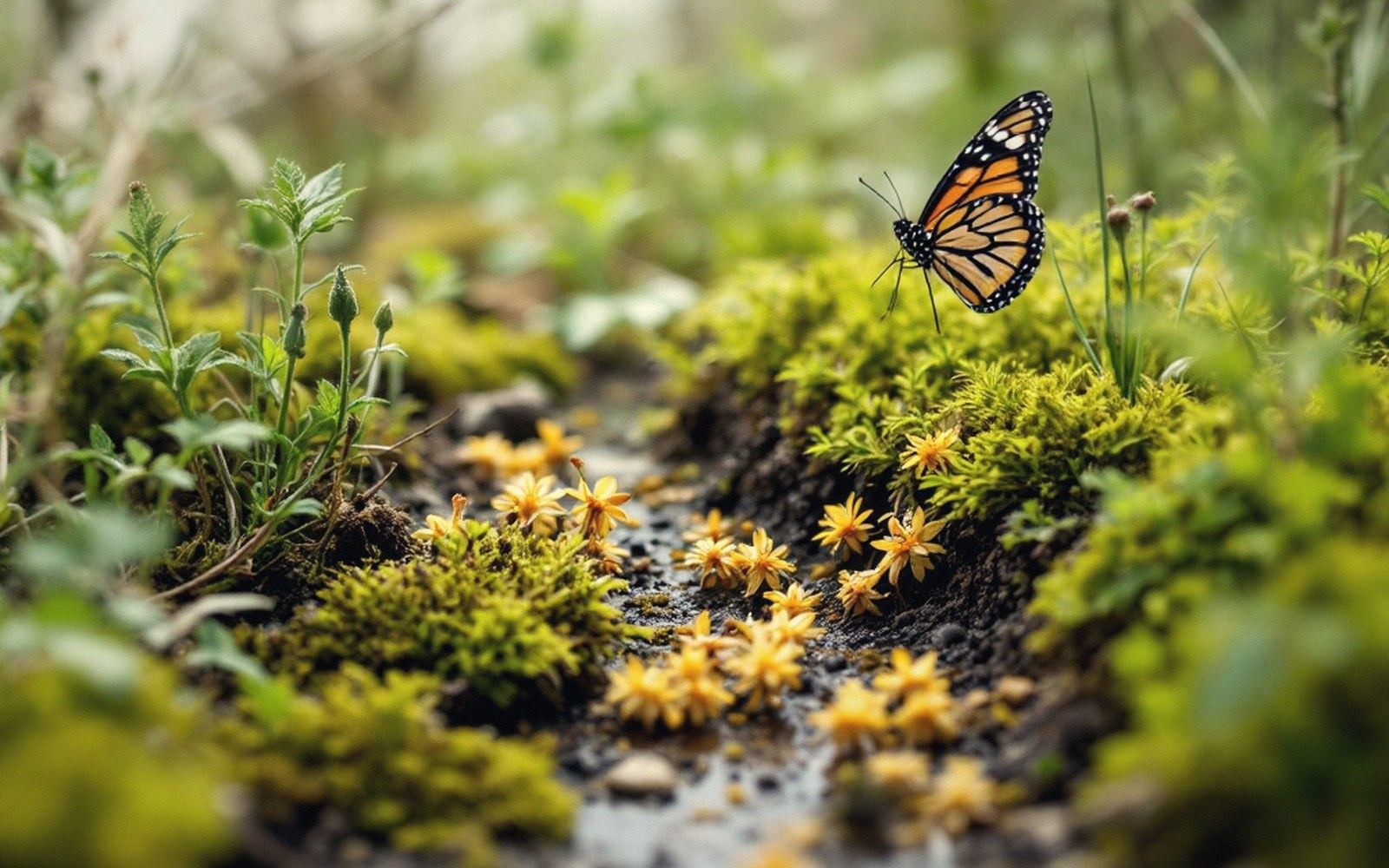
A strip with its own ecology
A road verge is not a lawn, though it is mown like one. Along rural roads and motorway embankments alike, the strip between tarmac and hedgerow or fence represents some of the most consistently undisturbed ground in the agricultural landscape. Ploughs don't reach it. Herbicides rarely do. And because the soil has never been turned to depth or reseeded, what grows there reflects decades or centuries of accumulation from the seed bank beneath.

The substrate is distinctive: often heavy with road-derived grit and lime from former hardcore or concrete edgings, sometimes acidic on older cuts through heathland, always compacted at the outer edge where machinery tracks. Drainage runs fast along the camber, creating a drier, open-rooting zone that favours stress-tolerant plants over aggressive competitors. On calcareous soils, that combination — undisturbed, free-draining, modestly fertile — is exactly what the rarer grassland plants require. Cowslip, knapweed, ox-eye daisy, and on the right geology, bee orchids and pyramidal orchids all persist on verges where the surrounding fields have long since lost them.
The mowing regime determines almost everything. A single annual cut in late summer, after most plants have set seed, allows a diverse sward to persist. Cut in May, repeatedly through the season, and rank grasses exclude the forbs — the broadleaved flowering plants that support most of the invertebrate life. Many local authorities now time at least one cut cycle to follow seed-set, though the timing and frequency vary considerably and often depend on budget and road-safety obligations rather than ecological rationale. The result is a patchwork: some verges dense with variety, others managed into near-monocultures of ryegrass and cow parsley.
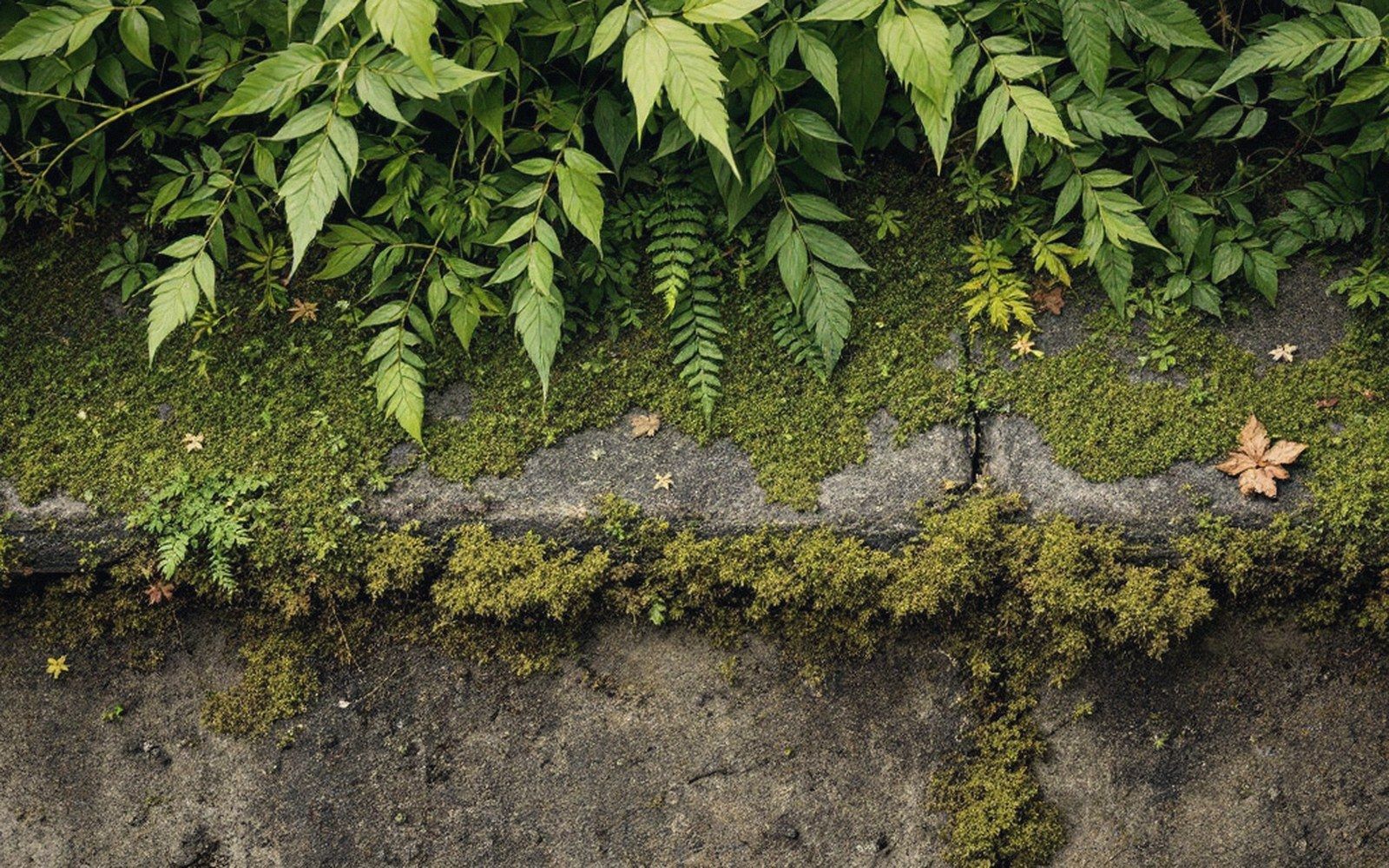
Width matters independently of regime. A verge more than three metres wide contains a recognisable gradient — drier and more disturbed near the road edge, less so toward the back — and each zone holds different species. That's an edge effect compressed into a few metres, comparable in structure to the line where two habitats meet at a woodland boundary, just vastly narrower. The narrowest verges — little more than a wheel-width of rough grass — can only sustain what is already common.

Ecologically, verges function as linear habitat across a fragmented landscape. For insects moving between patches of flower-rich ground, they are the route itself. For small mammals and some plant species, they provide movement pathways along which dispersal can follow road networks rather than cutting across managed fields. They are not wilderness, and they are not restoration. They are a product of the particular disturbance regime the road imposes — and that regime, managed differently, can yield very different ground.