Railway ballast
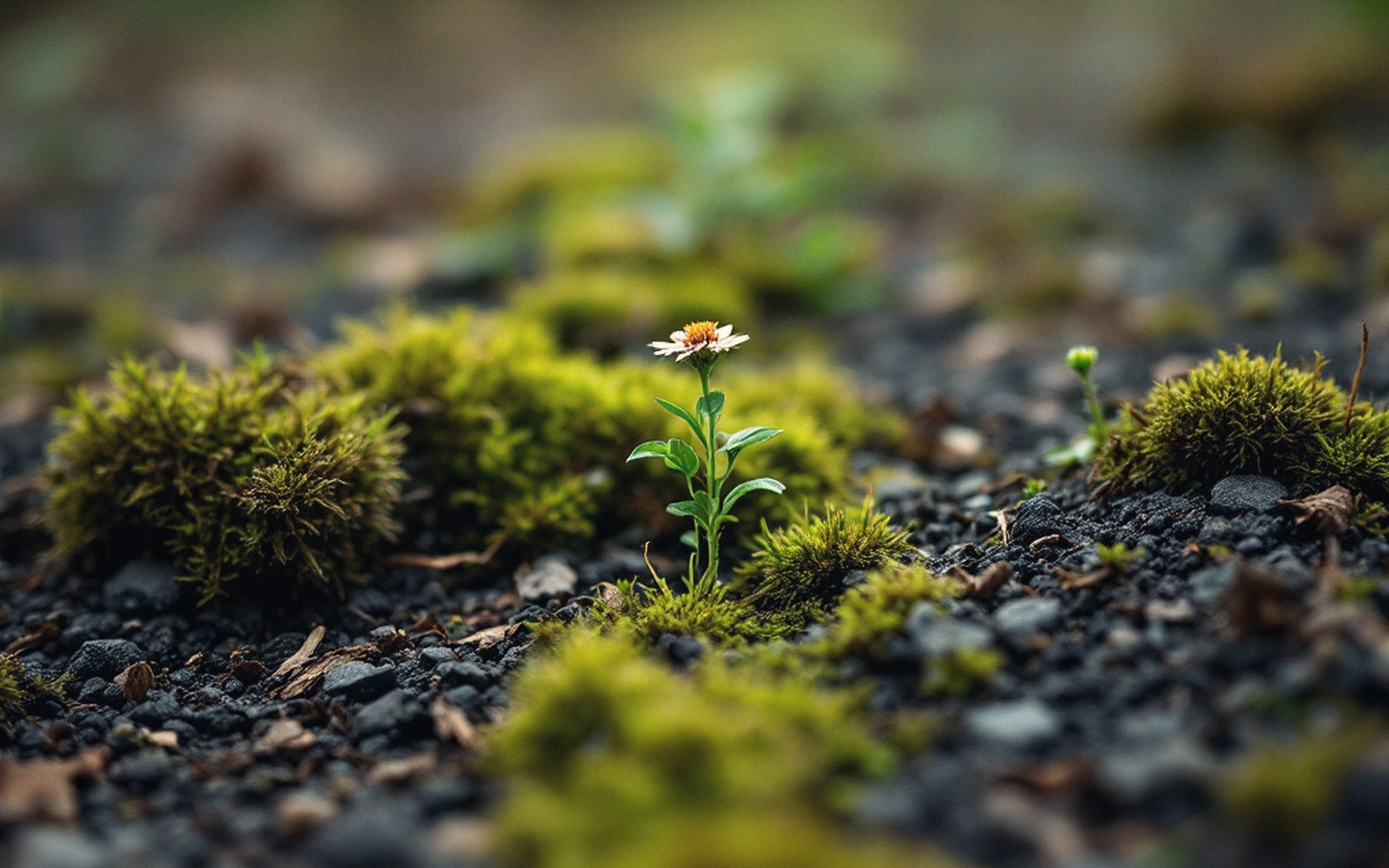
Crushed rock in a hostile environment
The angular limestone or granite chippings packed beneath and between railway sleepers are not designed with plants in mind. The ballast exists to spread load, drain water fast and resist frost heave — a dry, sharp-draining, nitrogen-poor substrate that bakes in summer and sits in the shade of passing trains for none of the day. By every conventional measure it should be nearly sterile. In practice it is one of the more interesting colonised surfaces in the urban and peri-urban landscape.
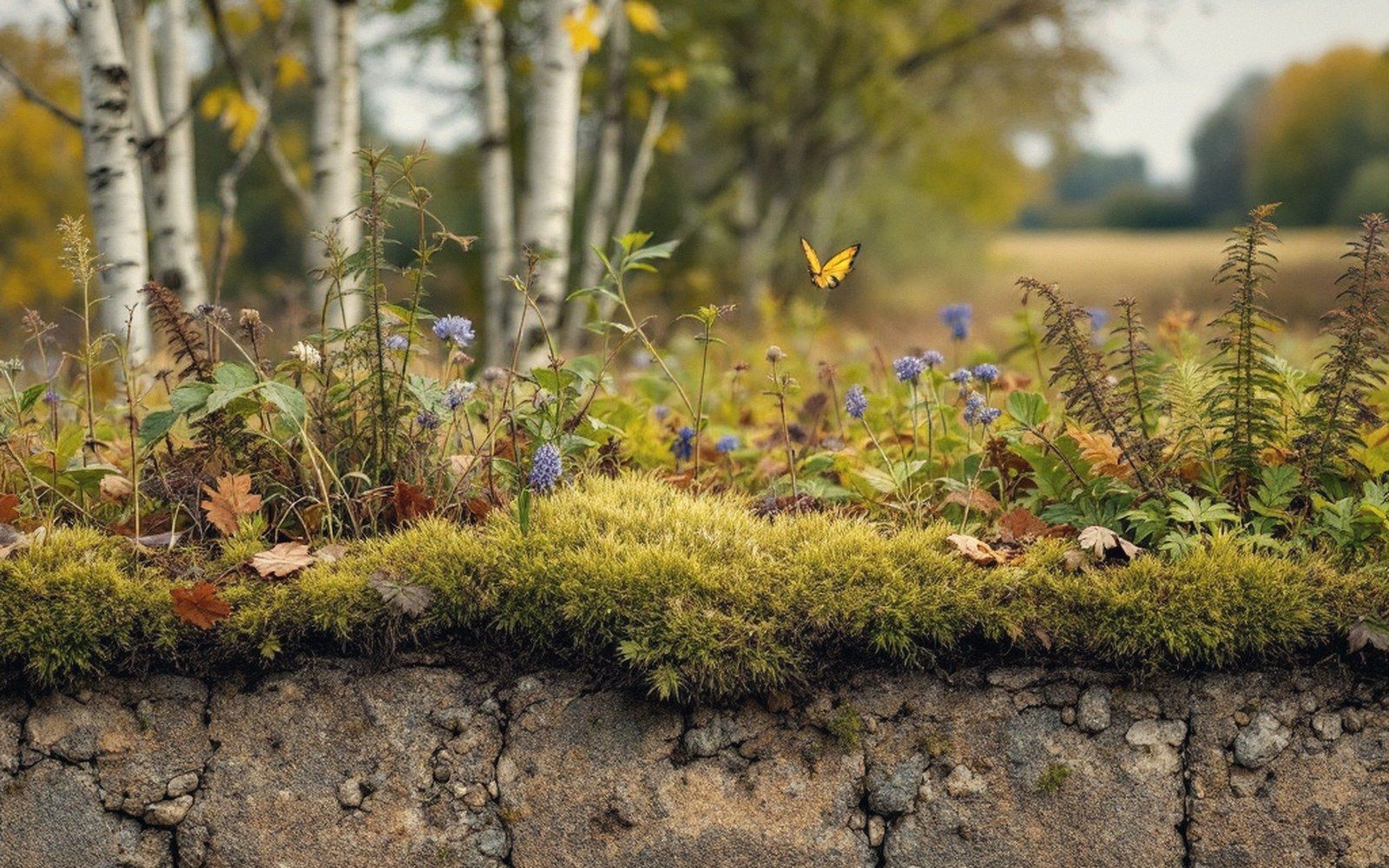
What makes it work for plants is exactly what makes it brutal. The rapid drainage creates a drought-stressed microhabitat almost identical to a limestone pavement or a coastal shingle ridge — environments that pioneer species have been exploiting for millennia. The alkalinity, where limestone ballast is used, adds another filter: only calcicole species, or those indifferent to pH, get through. That chemical consistency, across hundreds of kilometres of track, creates a striking linear continuity of flora.
The classic colonisers are annuals and short-lived perennials with wind-dispersed or tiny seeds: Oxford ragwort (Senecio squalidus) is the textbook case, having spread along the Great Western Railway from Oxford Botanic Garden through the mid-nineteenth century, its pappus-tipped seeds travelling in the slipstream of trains. Buddleia (Buddleja davidii, a Chinese introduction) roots into the smallest crack between sleeper and ballast. Canadian fleabane (Erigeron canadensis), wall rocket (Diplotaxis muralis) and various clovers and medicks appear wherever disturbance creates bare ground between bouts of track maintenance.
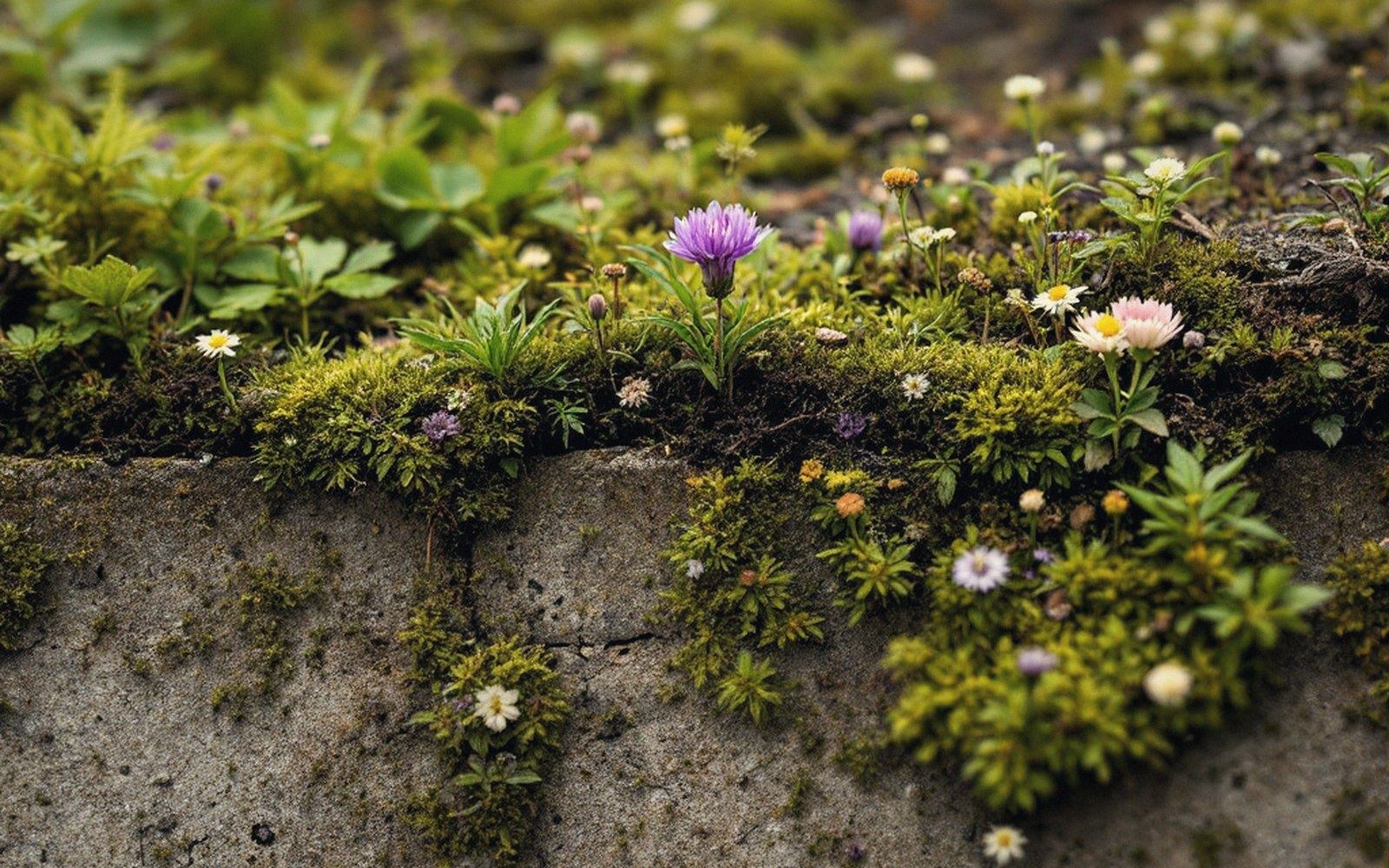
The disturbance regime matters as much as the substrate. Track gangs tamping the ballast, weedkilling programmes, periodic resurfacing — each event resets patches to bare mineral, mimicking the light-gap that fast-seeded colonisers are adapted to exploit. A line out of regular use reads very differently: birch, willow and eventually scrub close in within a few years, turning the open ballast to something approaching secondary woodland if left alone. The contrast between an active main line and an abandoned branch is a practical demonstration of how management frequency controls succession.
The thermal regime amplifies everything. Dark aggregate absorbs heat; ballast surface temperatures on a still August afternoon can reach levels well above ambient air temperature, killing seedlings that can't tolerate desiccation. The species that persist are genuinely stress-tolerant, not simply opportunistic. Mosses and lichens patch in on the shaded north-facing angles of larger stones. Stonecrop (Sedum spp.) handles the exposure better than most flowering plants.
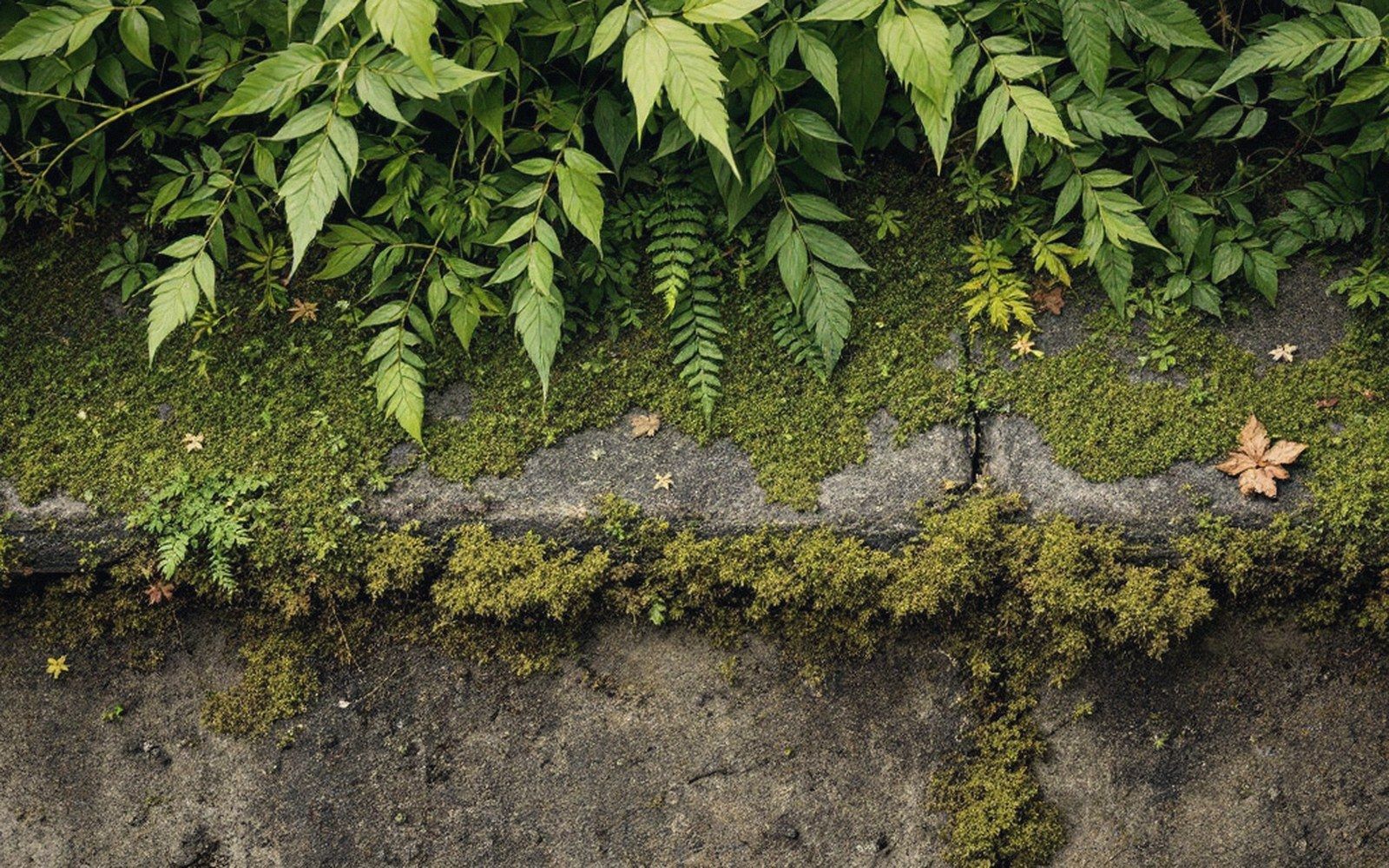
Railway corridors also function as dispersal routes — linear connections threading through otherwise fragmented urban and agricultural land. What establishes on ballast reflects both what is genuinely adapted and what arrives, and the two lists are not always the same.