The Seed Bank
The soil is a library of past vegetation. Some entries are decades old and still readable.
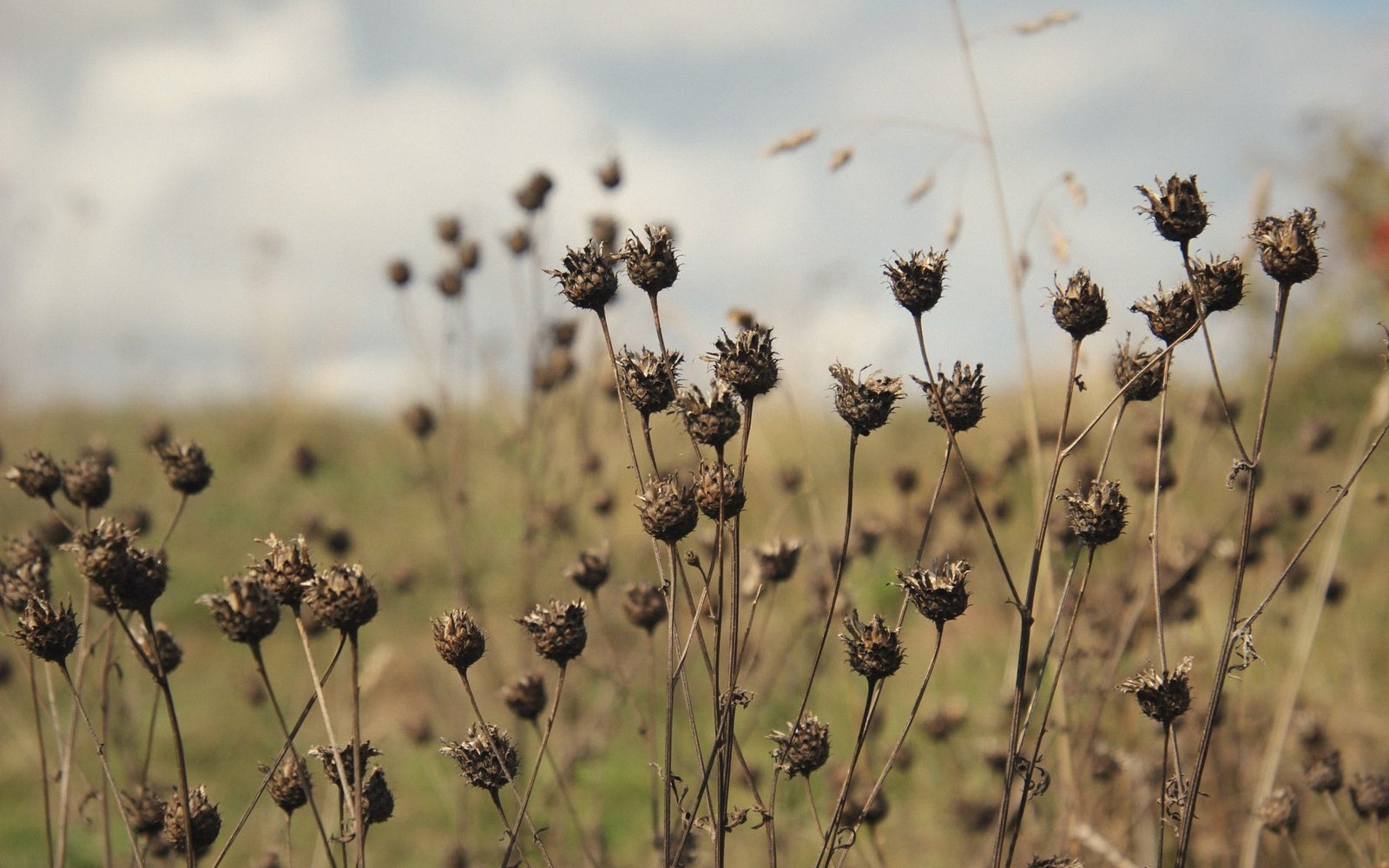
What is down there
Dig into almost any disturbed soil and you are reaching into history. Seeds accumulate in the upper few centimetres — buried by worms, carried by water, pressed in by footfall — and a proportion of them remain viable for years, sometimes generations. Ecologists call this the persistent seed bank, and it is one of the reasons bare ground does not stay bare for long.
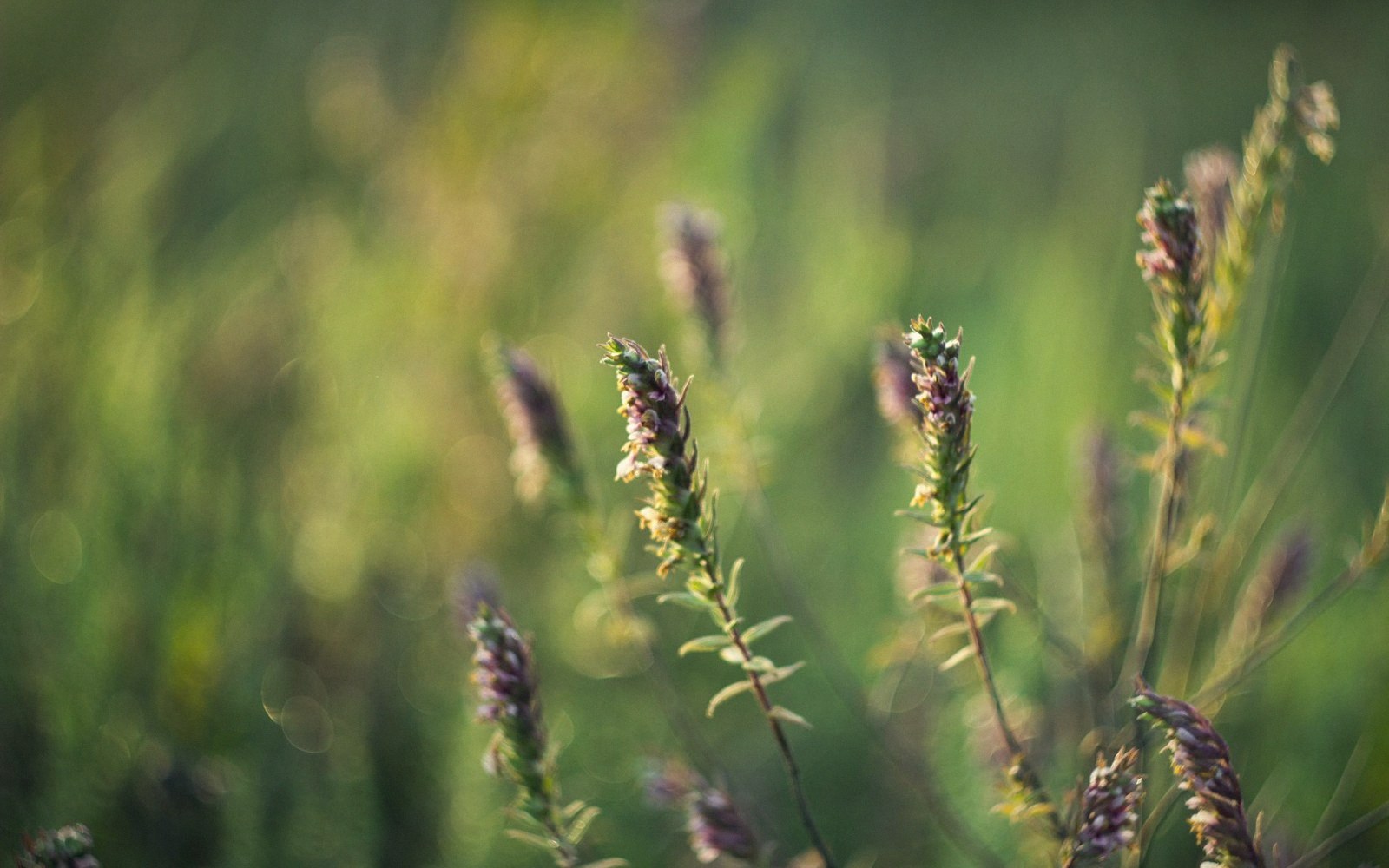
Not all seeds persist equally. Poppy (Papaver rhoeas) and fat hen (Chenopodium album) are famous for it: their seeds have been recovered from archaeological layers and germinated successfully. Creeping thistle and willowherbs sit in a similar bracket. By contrast, most large-seeded species — oak, beech, ash — rarely persist in soil more than a season or two. The seed bank belongs disproportionately to small-seeded, light-demanding, early-successional plants.
The trigger for germination is usually a change in light. When soil is opened — by a plough, a badger, a landslip, a scrape — seeds that have been sitting beneath a closed canopy suddenly detect a shift in the red-to-far-red ratio of light reaching them. That spectral cue releases dormancy. What grows up is not random: it reflects what grew there before, sometimes long before.
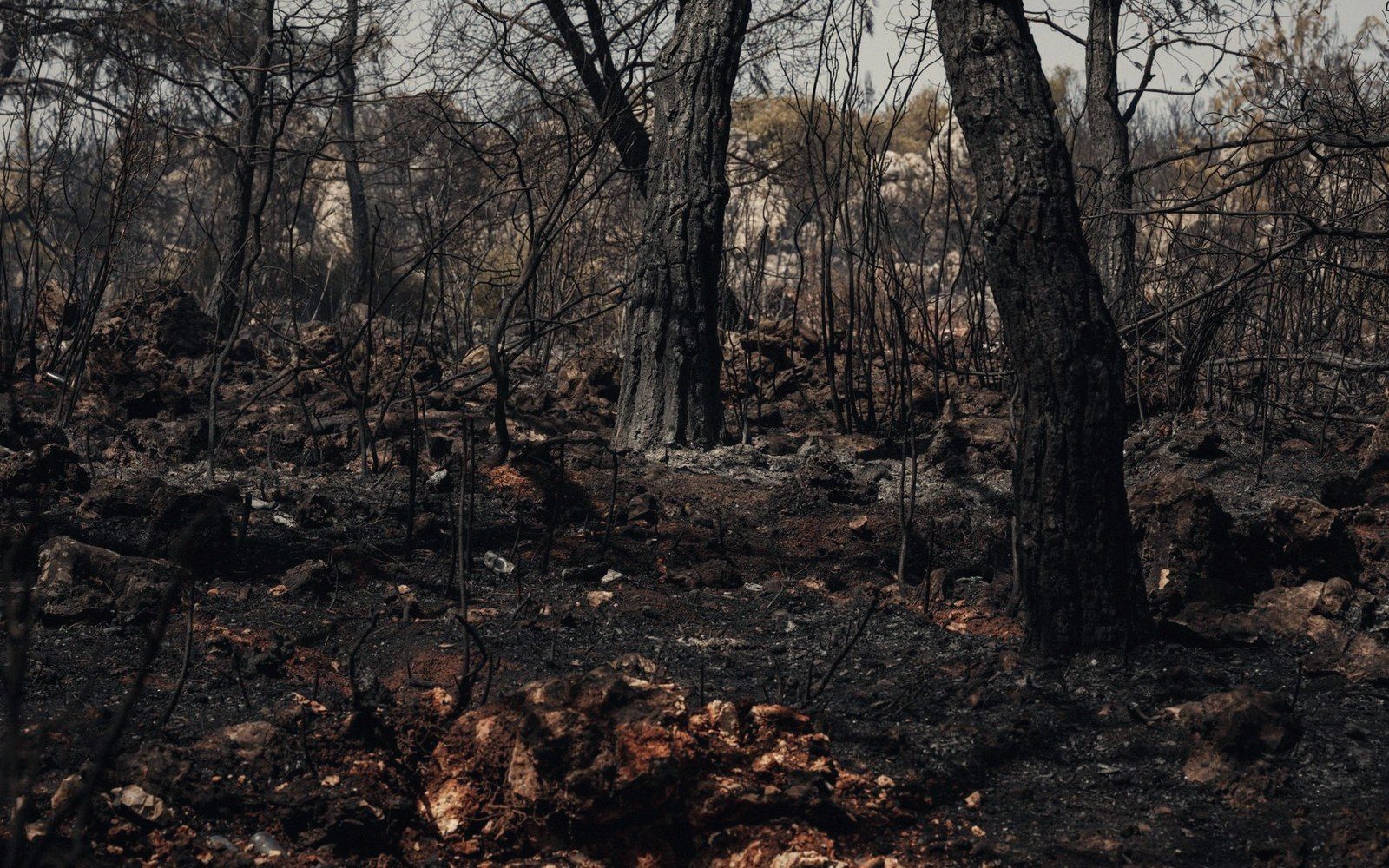
This is why a medieval arable weed like corn cockle (Agrostemma githago) can reappear on a disturbed field margin decades after it was last sown, and why conservation managers sometimes deliberately scrape topsoil to activate a seed bank rather than import plug plants. Depth matters too: seeds buried more than a few millimetres deep receive no light cue at all, and can persist far longer than those near the surface.
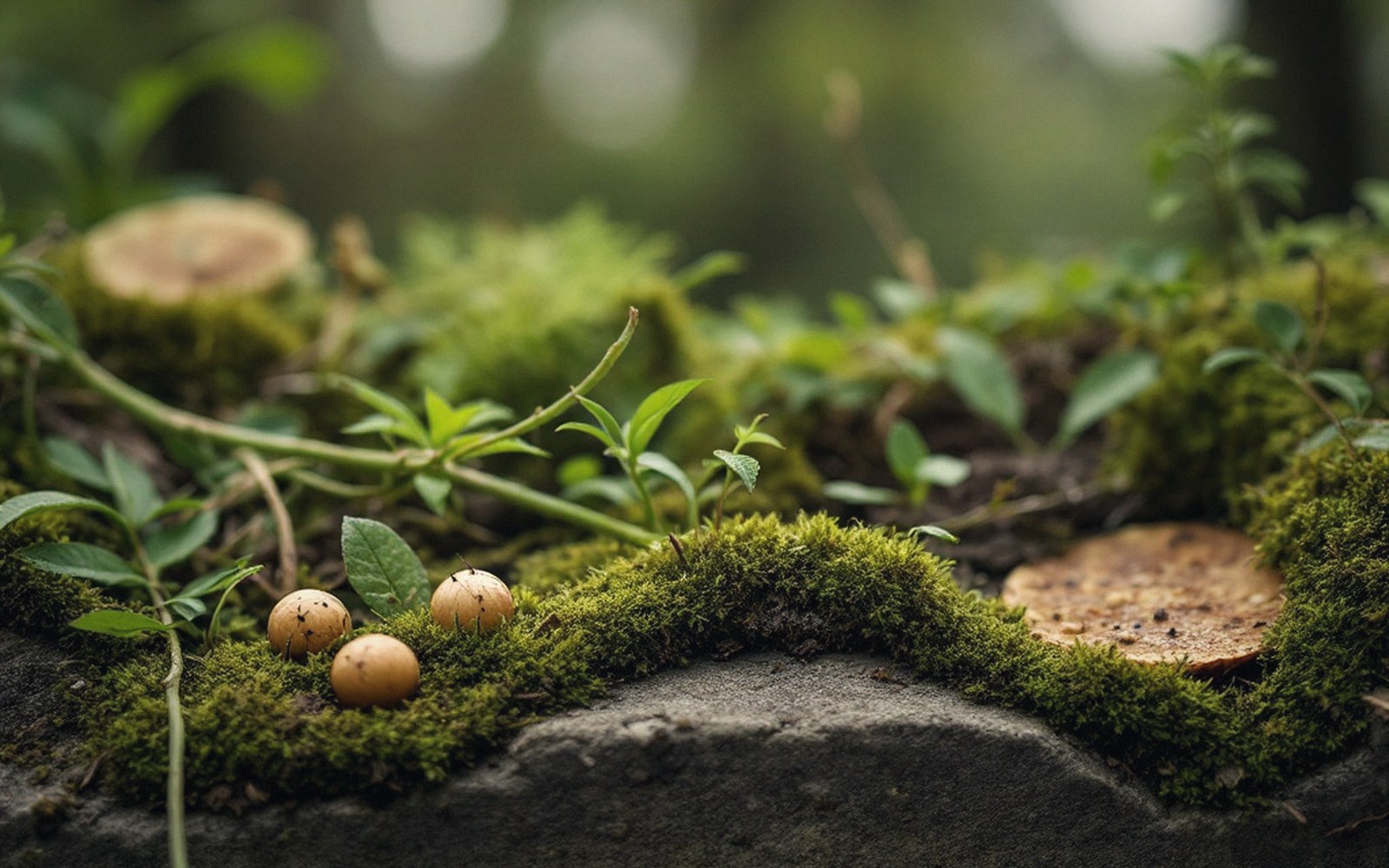
The seed bank is, in that sense, a delayed version of the community above it. Reading the plants that emerge after disturbance is partly reading a record of what the site once carried — an archaeology you can watch grow.