Wall flora
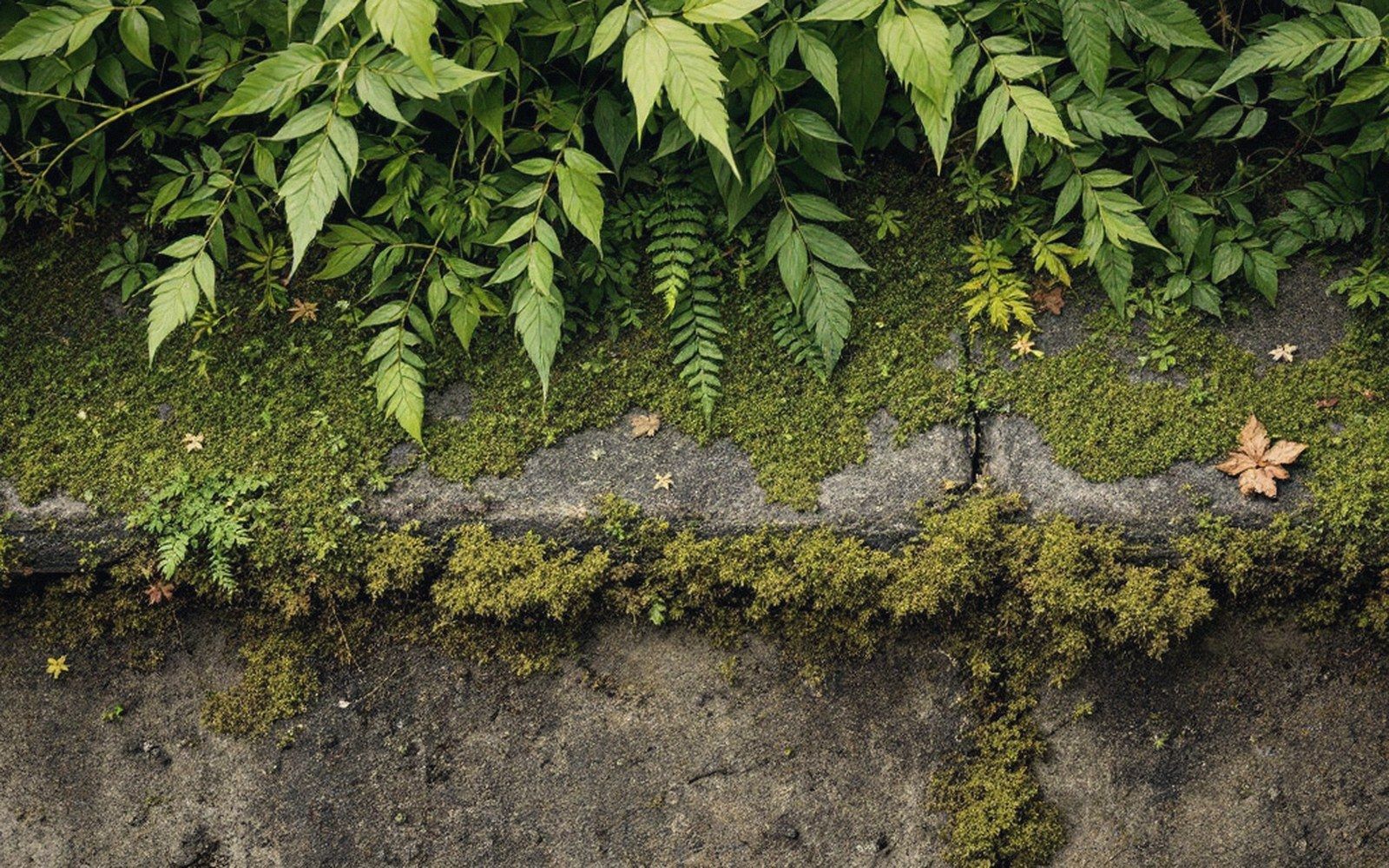
The ecology of a vertical desert — and what repointing destroys
Old lime mortar is not inert. Crumble a pinch of it and you have something gritty, porous, mildly alkaline, and capable of holding a thin film of moisture long enough for roots to work. That combination — open texture, high pH, intermittent damp — is the substrate that wall ferns and mosses depend on, and it is rarer than it looks.
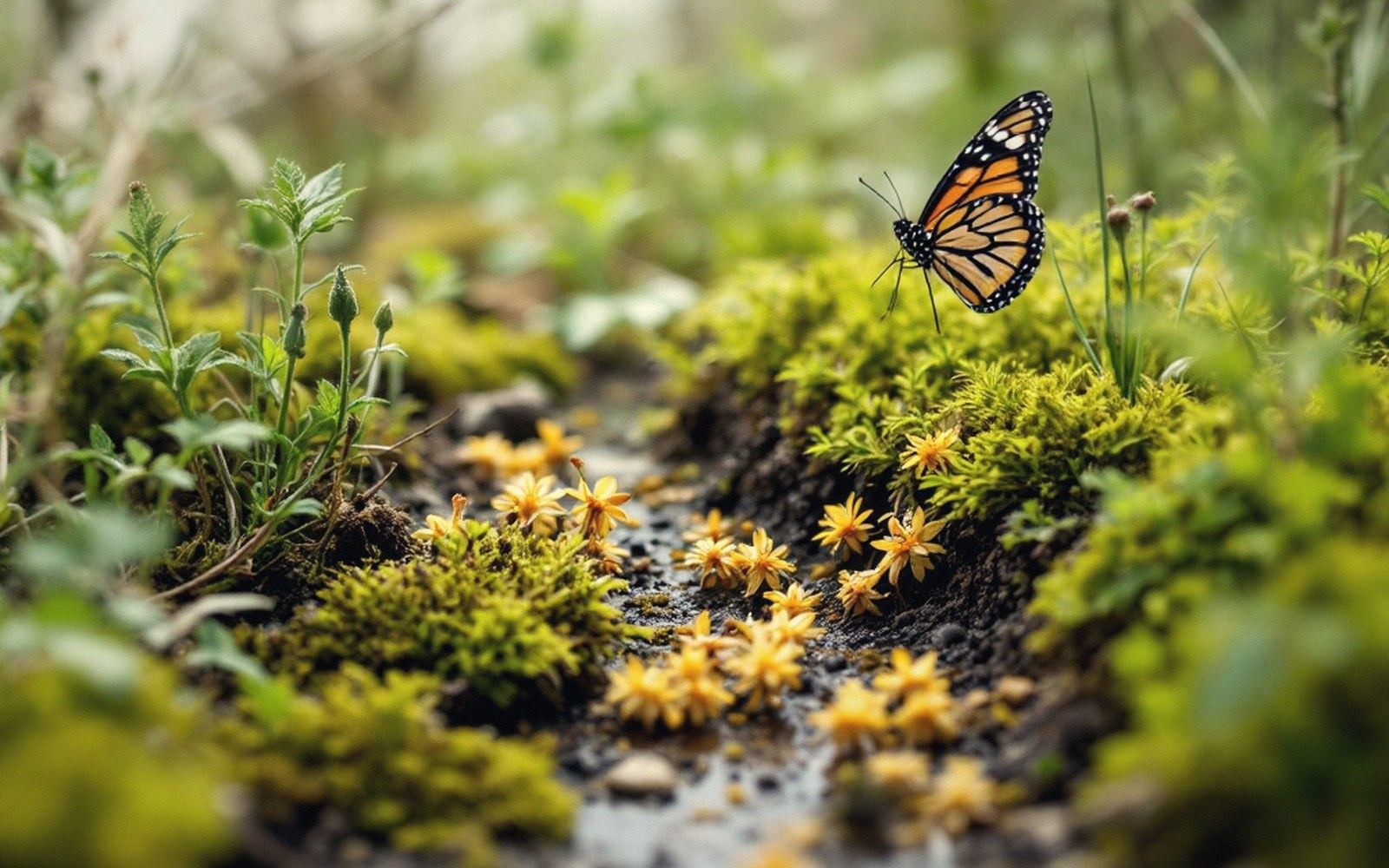
The first colonisers on a bare wall are typically crustose lichens, which chemically etch the surface and begin the slow accumulation of organic material. Into that thin matrix come mosses: Tortula muralis is the one to learn, a cushion-forming species almost diagnostic of old mortar across temperate Europe and North America. Behind it, where joints are deep enough to hold a little soil-equivalent, come the ferns.
Two species dominate in Britain. Wall-rue (Asplenium ruta-muraria) is small, grey-green and easily mistaken for a seedling of something else; its frond segments are diamond-shaped and the whole plant rarely exceeds a hand-span. Maidenhair spleenwort (Asplenium trichomanes) is more distinctive — dark midrib, small rounded pinnae, growing in neat rosettes from a single crack. Both are calcicoles, favouring alkaline conditions, which is why lime mortar suits them and Portland-cement mortar does not. Cement sets harder, is less porous, and weathers differently; it offers little purchase for a fern rhizome.
The mechanism of establishment matters here. Neither species germinates in the way a flowering plant does. Fern spores are dust-fine and dispersed by wind; they land in a crack, and if moisture and light are sufficient, germinate into a gametophyte — a separate, tiny, heart-shaped structure that must remain damp long enough for fertilisation to occur. The whole process requires that the joint stays moist for extended periods, which old, slightly crumbling lime mortar does naturally.
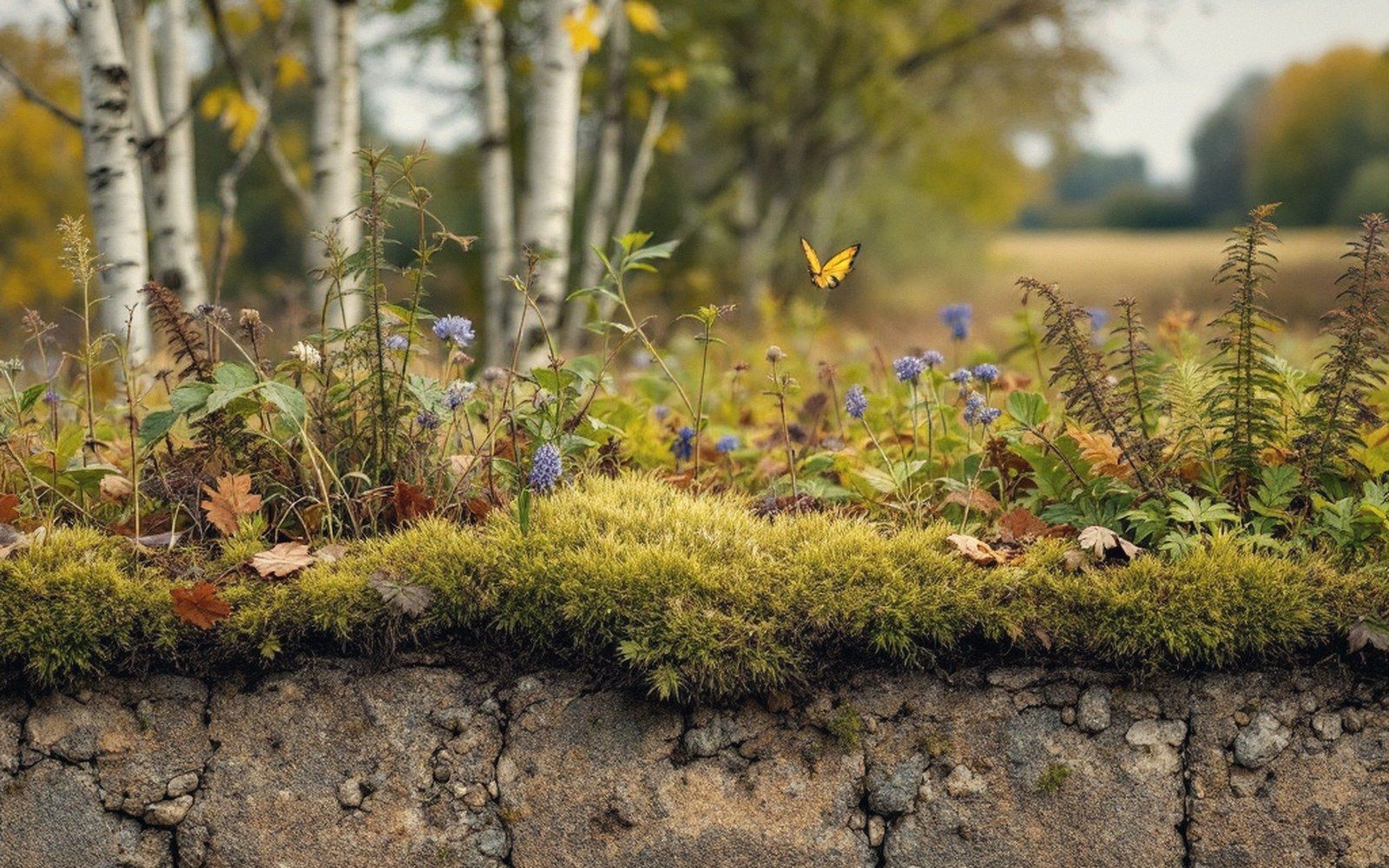
Repointing with modern cement closes those joints, seals the wall face, and changes the hydrology immediately. Water no longer penetrates and lingers; it sheets off. A wall repointed in this way can lose its established fern and moss community within a few seasons, and the conditions for recolonisation disappear with them. The wall looks smarter. Ecologically it has been simplified to near-zero.
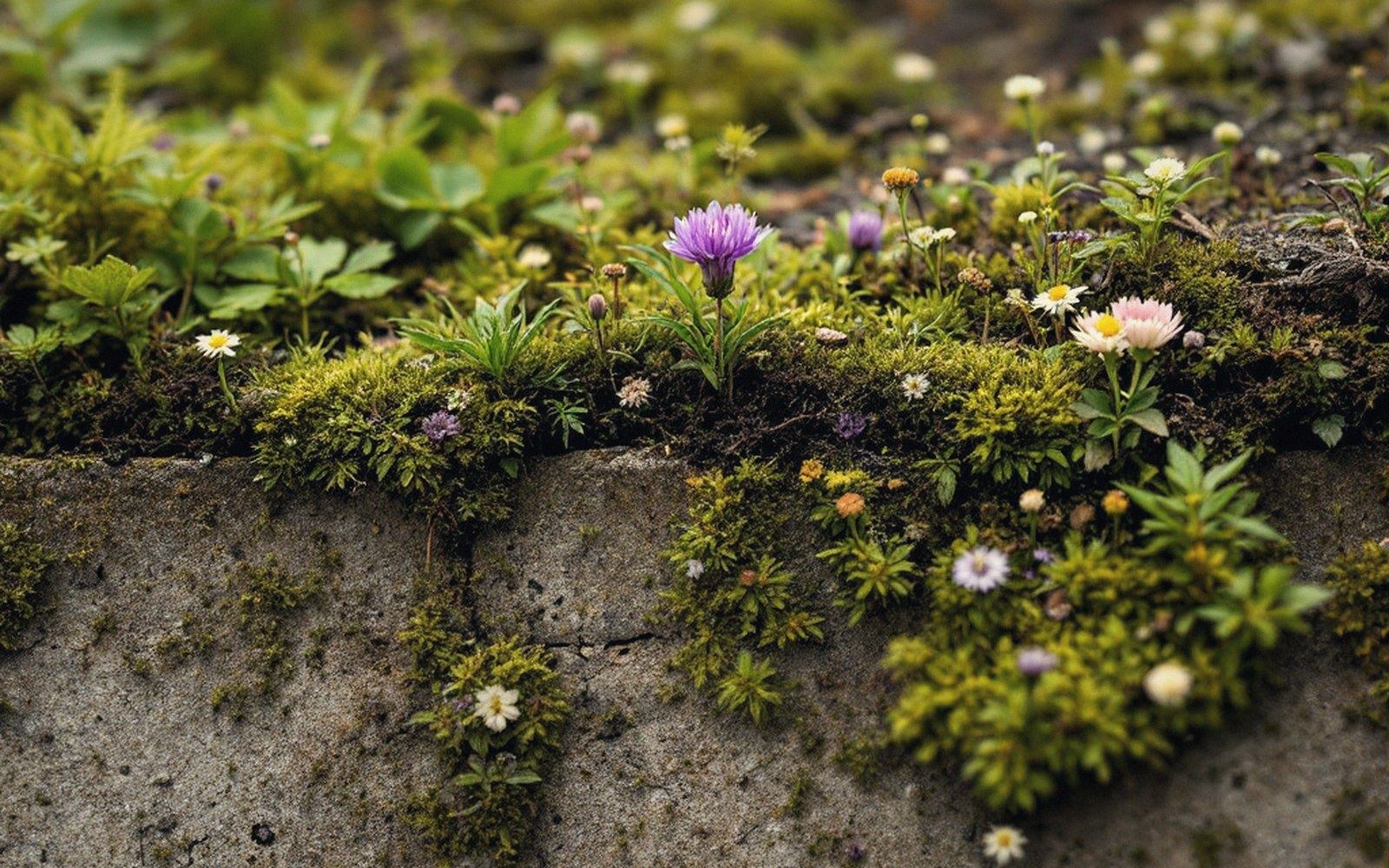
Age matters because the substrate matures. A wall mortared fifty years ago and left alone will generally carry more species than one repointed last decade, even if the stonework is the same.