Who benefits

The winners and losers at an edge
An edge is not neutral ground. When forest gives way to scrub, or a marsh meets a meadow, conditions shift — more light, more wind, greater temperature swings — and that new environment favours certain species sharply while it disadvantages others.
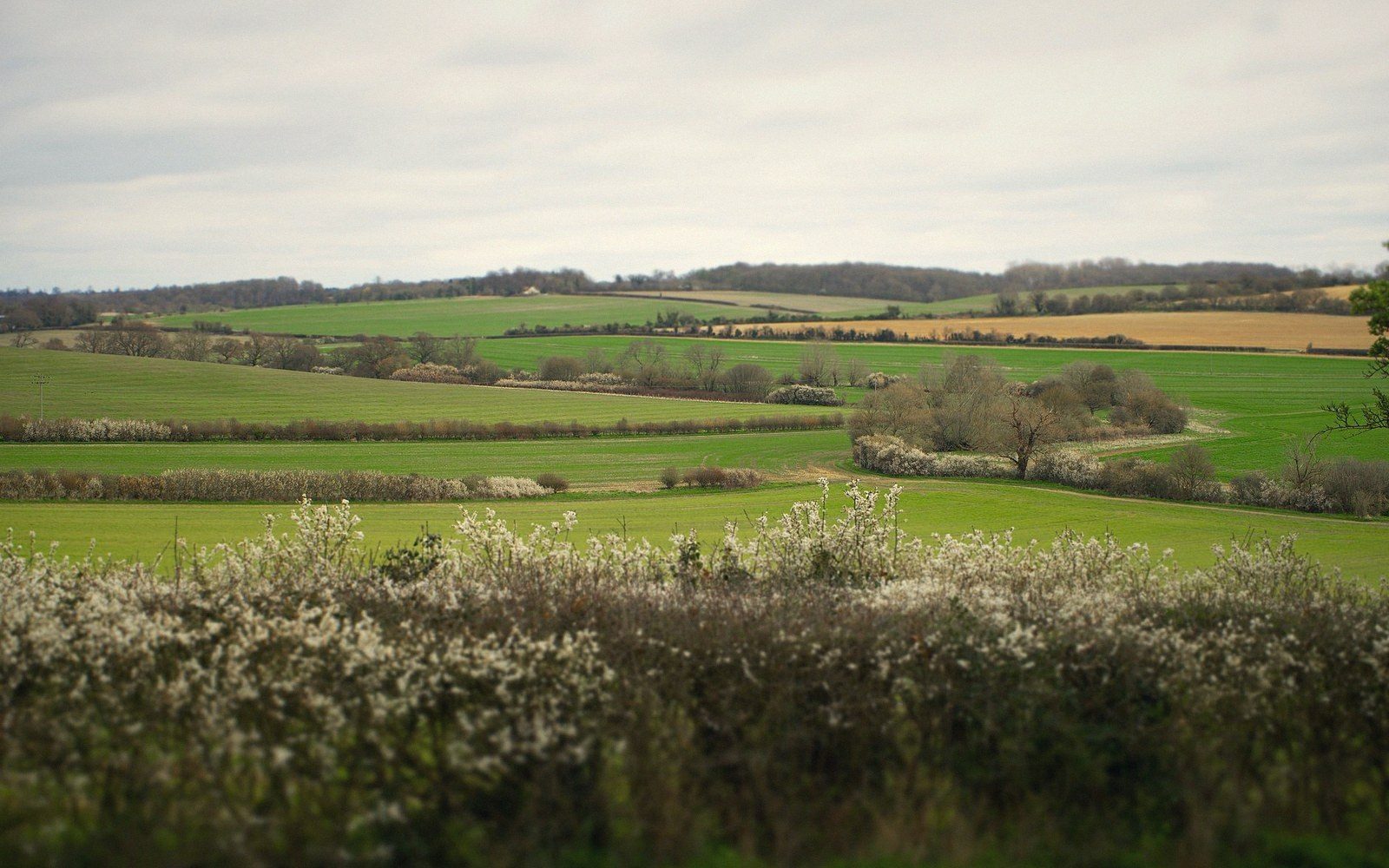
The beneficiaries are well documented. Bramble and elder push into the brighter zone and fruit heavily there. Whitethroats and yellowhammers nest in the low scrub that edges create, exploiting both the structural cover and the open foraging ground a few metres away. Brown hares work the transitional strip between arable and hedgerow, moving between food and shelter across a boundary neither habitat alone provides. These species are not edge-tolerant so much as edge-dependent: remove the transition zone and their numbers fall.
Generalists gain too, for a simpler reason. A habitat edge is a place where two resource sets overlap. A fox that hunts a field margin in the evening and retreats to woodland cover at dawn is extracting from both systems simultaneously. Higher densities of such wide-ranging predators accumulate at edges — a pattern well established in North American forest studies and confirmed across European agricultural landscapes — and that concentration has consequences for the species around them.
Which brings the losers into focus. Forest interior specialists are the most consistently documented casualties. Wood warblers, marsh tits, certain beetles and a range of fungi associated with old-wood decay are all sensitive to edge depth — the distance from the perimeter at which edge conditions stop penetrating. Where a woodland is thin enough that no true interior exists, these species lose their functional habitat entirely even though trees remain. The increase in predator pressure near edges is part of the mechanism: nest predation rates for ground-nesting woodland birds are measurably higher within a hundred metres of the perimeter than in the interior.

Wetland interiors show the same pattern. Reed buntings and sedge warblers thrive at the reedbeds' edge; bitterns need the uninterrupted core. Fragment a large reedbed into several smaller ones and the edge-to-interior ratio shifts unfavourably — more margin, less refuge.
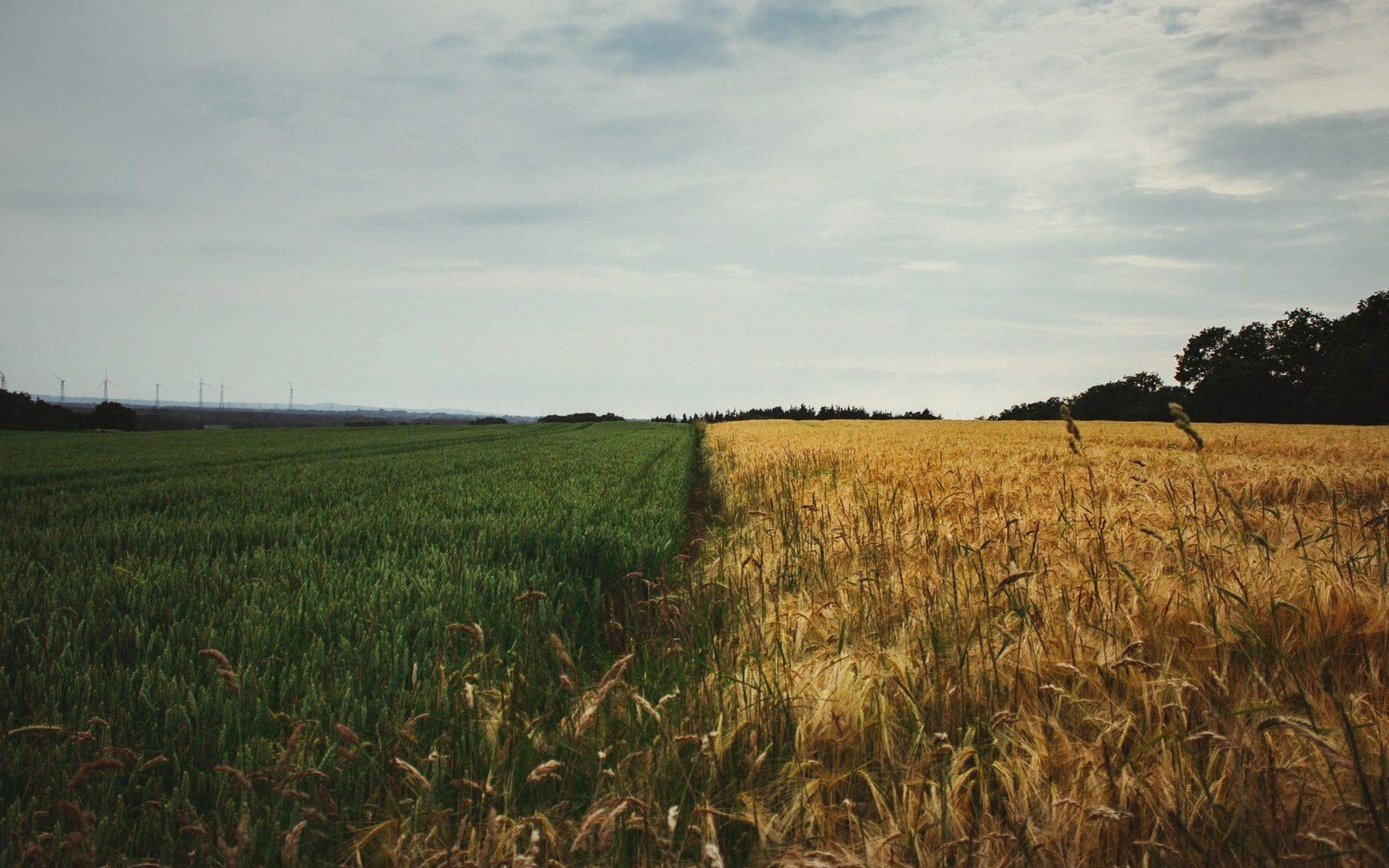
The practical upshot for a walker reading a landscape is this: a rich and busy edge, full of warblers and foxes and flowering scrub, is not necessarily a sign of overall ecological health. It may indicate that the interior — quieter, harder to observe, less immediately rewarding — is shrinking.