What comes back first
Bare ground does not stay bare for long. The sequence of colonisers that follows disturbance is broadly predictable — but every site arrives at it differently, because the disturbance itself is never identical.
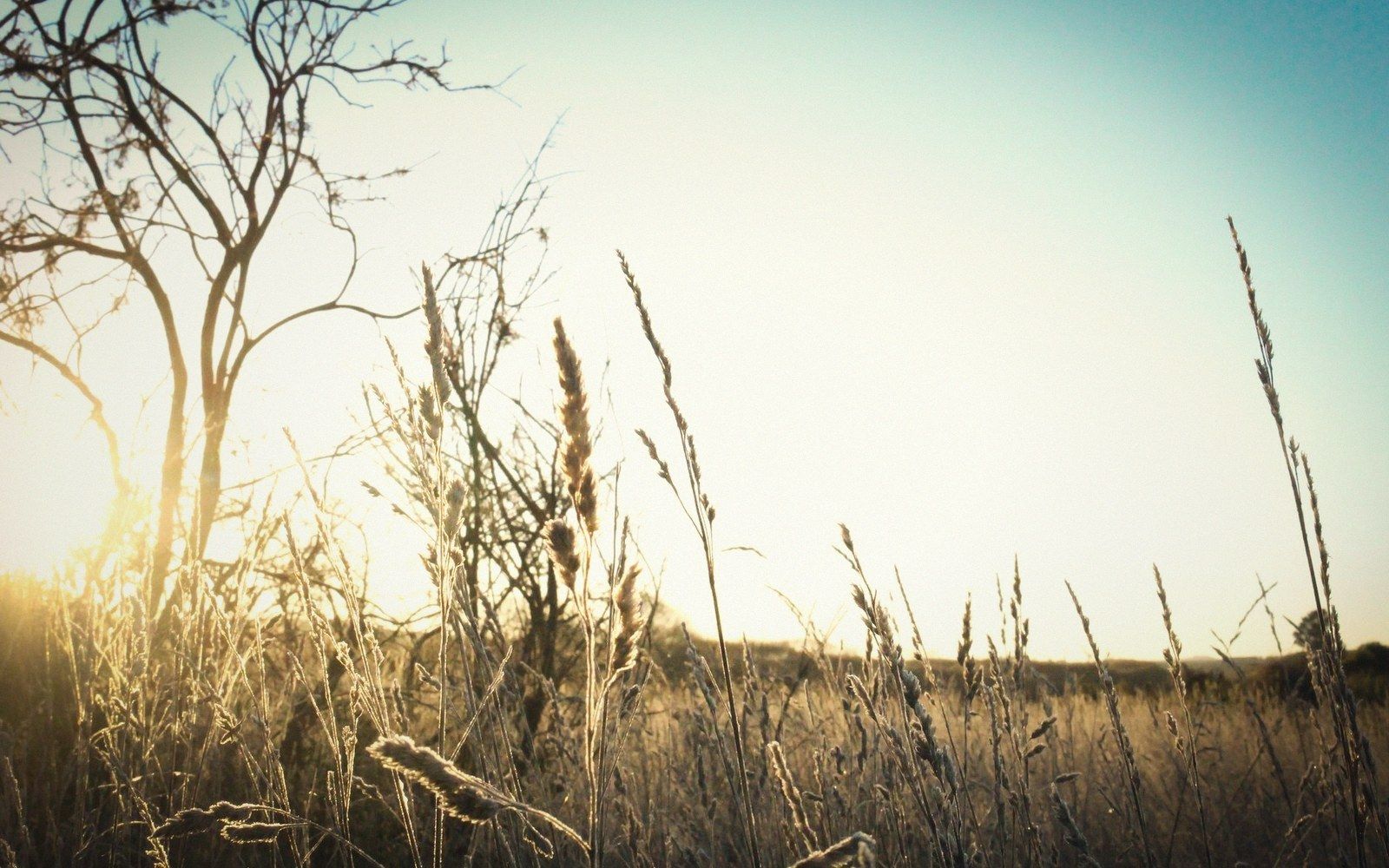
The substrate decides before anything germinates
Look at bare ground a week after it is exposed and you are already too late to see the beginning. The surface crust, the moisture gradient in the top centimetre, the pH, the texture, the degree of compaction — all of these have already started filtering what can arrive and what can establish. A ploughed field, a landslip, a building demolition, a peat cut, a volcanic pumice field: each produces bare ground, but they are not the same bare ground. The substrate is the invisible first chapter of a succession story.
This matters because it shapes which of the soil's existing reserves can be used. Where the upper layers have been removed entirely — a quarry floor, a road-cut slope, the footprint of a demolished structure — there is no seed bank to speak of. Colonisation begins almost entirely from propagules arriving from outside: wind, water, animals, machinery. Where the topsoil is merely disturbed, not stripped, there may be decades of viable seed waiting for the sudden availability of light, and establishment happens quickly, from material already in place. The two situations look similar from a distance and are ecologically very different.
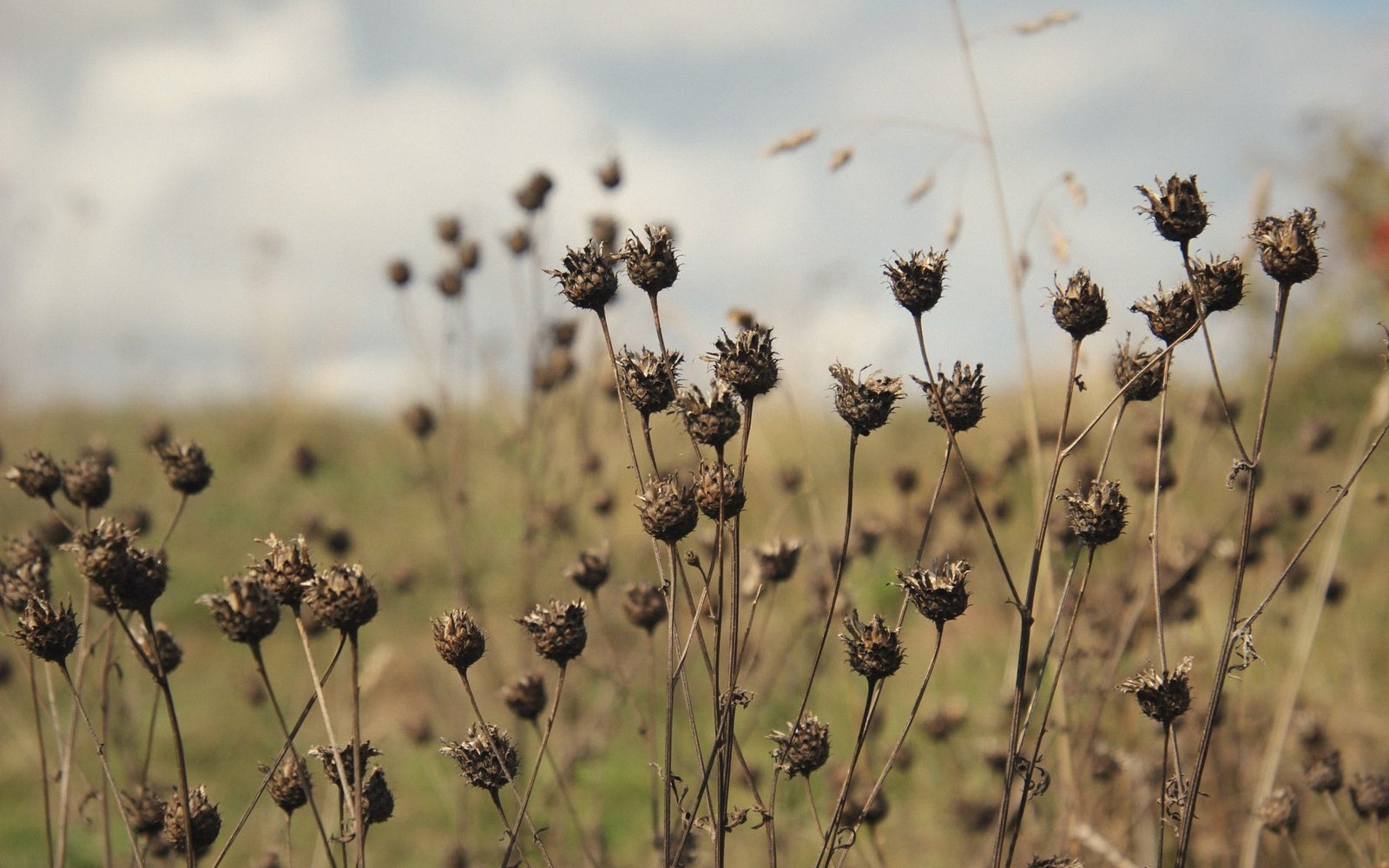
Soil nitrogen is another early governor. Freshly exposed mineral substrates — raw till, chalk rubble, river gravel — tend to be nitrogen-poor, which gives a competitive edge to species that either tolerate low nutrient levels or carry their own supply through root-associated nitrogen-fixing bacteria. Legumes such as birdsfoot trefoil and clovers appear early on many disturbed soils for exactly this reason, nodule bacteria supplementing what the substrate cannot offer. On nutrient-enriched ground — demolition rubble, the margins of agricultural fields, any site that has received organic waste — different pioneers push through first: tall, fast, coarse species that can exploit the flush.
The first arrivals and what they are built for
Pioneer species share a set of properties that reflect the problem they solve. They must reach bare ground, often from some distance, before competitors do. Wind dispersal is the most common mechanism: dandelions, rosebay willowherb, groundsel, coltsfoot, ragwort and many others produce light, plumed seeds in vast quantities. Some can travel several kilometres in turbulent air. They germinate quickly, grow fast, flower early, and produce the next generation before anything shades them out. This is not generalism — it is a tightly refined strategy for temporary windows of opportunity.
What often goes unnoticed is that these early colonisers are not just occupying space; they are modifying it. Roots break up compacted surfaces, begin to open channels for water infiltration, and start adding organic matter when they die. Mosses and lichens, the most opportunistic colonisers on bare rock or poor rubble, fix the surface physically, reducing erosion and creating micro-sites where tiny accumulations of humus allow the first vascular plants a foothold. The act of arriving changes what can arrive next.
Water is another vector that receives less attention than wind. A stream bank after flood scour, a pond margin, a dune slack — all receive seeds carried by moving water or deposited by the animals that come to drink. The species that colonise waterlogged or periodically inundated bare ground are a different suite from those on free-draining rubble, even at the same latitude and under the same climate. Willowherbs, rushes, willows and sedges dominate wet early-successional ground; lichens, stonecrops and knotgrasses dominate the dry end. Dispersal mechanism and substrate tolerance are the twin filters.
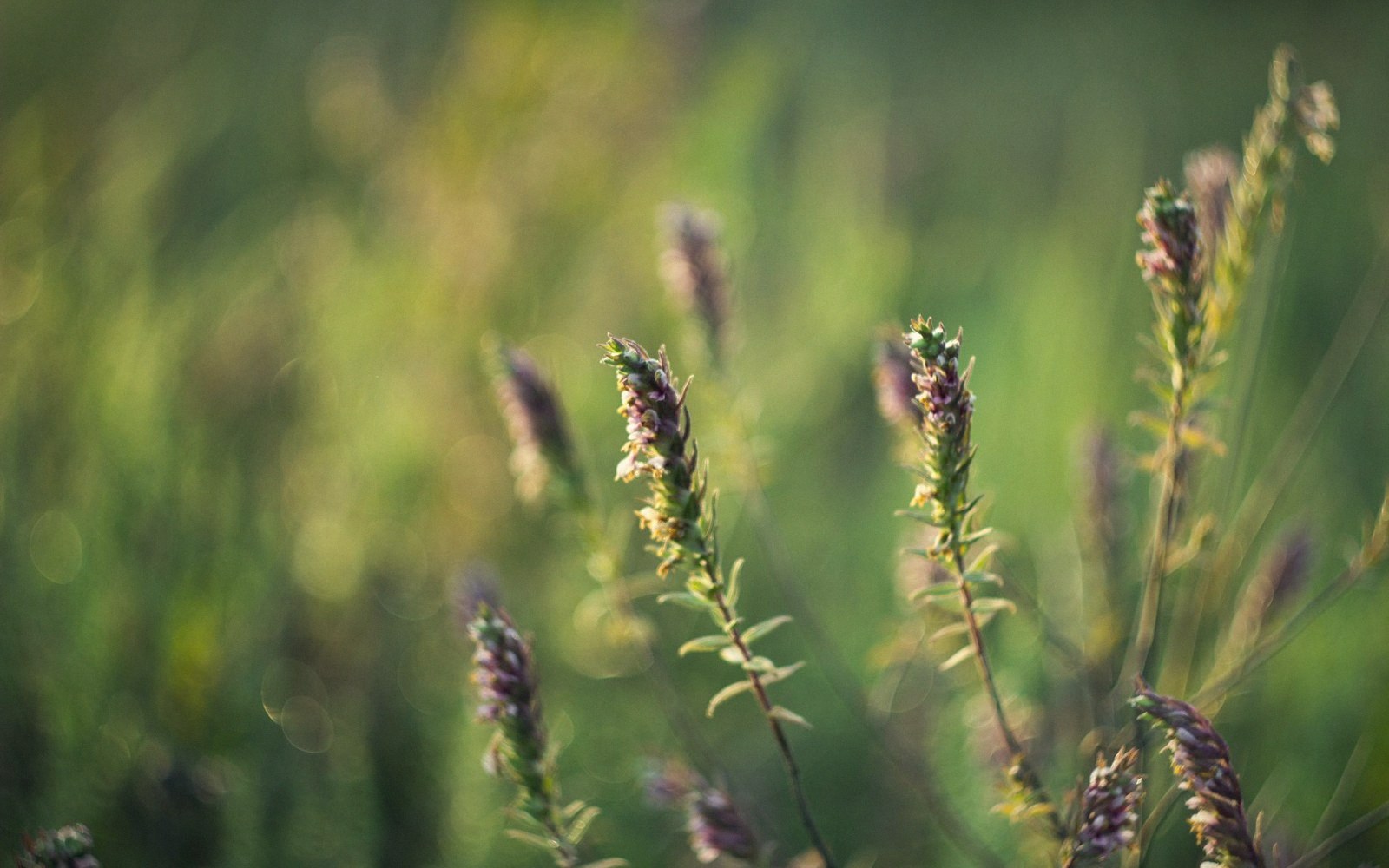
The middle stage: scrub and the closing of the canopy
Given enough time and no further disturbance, pioneer herbaceous cover almost always gives way to scrub — shrubby growth dominated by species capable of overtopping the low mat of early colonisers. Bramble, hawthorn, elder, buddleia on disturbed urban ground, gorse and broom on acid soils, blackthorn on calcareous ones: these spread laterally and upward simultaneously, shading out the sun-demanding pioneers beneath them. The pace varies enormously. On a nitrogen-rich site in a wet climate, bramble can dominate within three years. On an exposed chalk hillside, the same transition might take two decades.
Scrub does several things at once. It creates structural complexity — vertical layers, dense tangles, sheltered interiors — that supports a different animal community from the open pioneer stage. It changes the microclimate at ground level, reducing temperature extremes and raising humidity. And it begins accumulating woody litter that will eventually become a soil profile capable of supporting tree seedlings in a way the raw mineral substrate at the start could not.
Which trees establish first depends again on what is there and what can reach it. Birch seeds are tiny and wind-carried in enormous numbers; they appear on heathland, upland mineral soils, and post-industrial ground with remarkable speed. Ash, before its recent severe losses to ash dieback caused by the fungus Hymenoscyphus fraxineus, was a fast coloniser of calcareous ground with gaps in scrub canopy. Sycamore, introduced to Britain and much of Europe and now established across a wide range of disturbed and semi-natural habitats, colonises aggressively. Willows establish from wind-blown fluff on wet ground almost as fast as pioneer herbs. Scots pine self-seeds readily on lowland heathland, sometimes dramatically altering the trajectory of succession if not managed.
These early trees are not the end point. They are a different kind of pioneer — longer-lived, but still occupying a successional niche. In time, where disturbance stops and conditions permit, they may be overtopped or replaced by slower-growing, longer-lived species. The process is not a march toward a fixed destination. It is a sequence of communities, each created by the one before it, each making its own conditions slightly different from what it found.
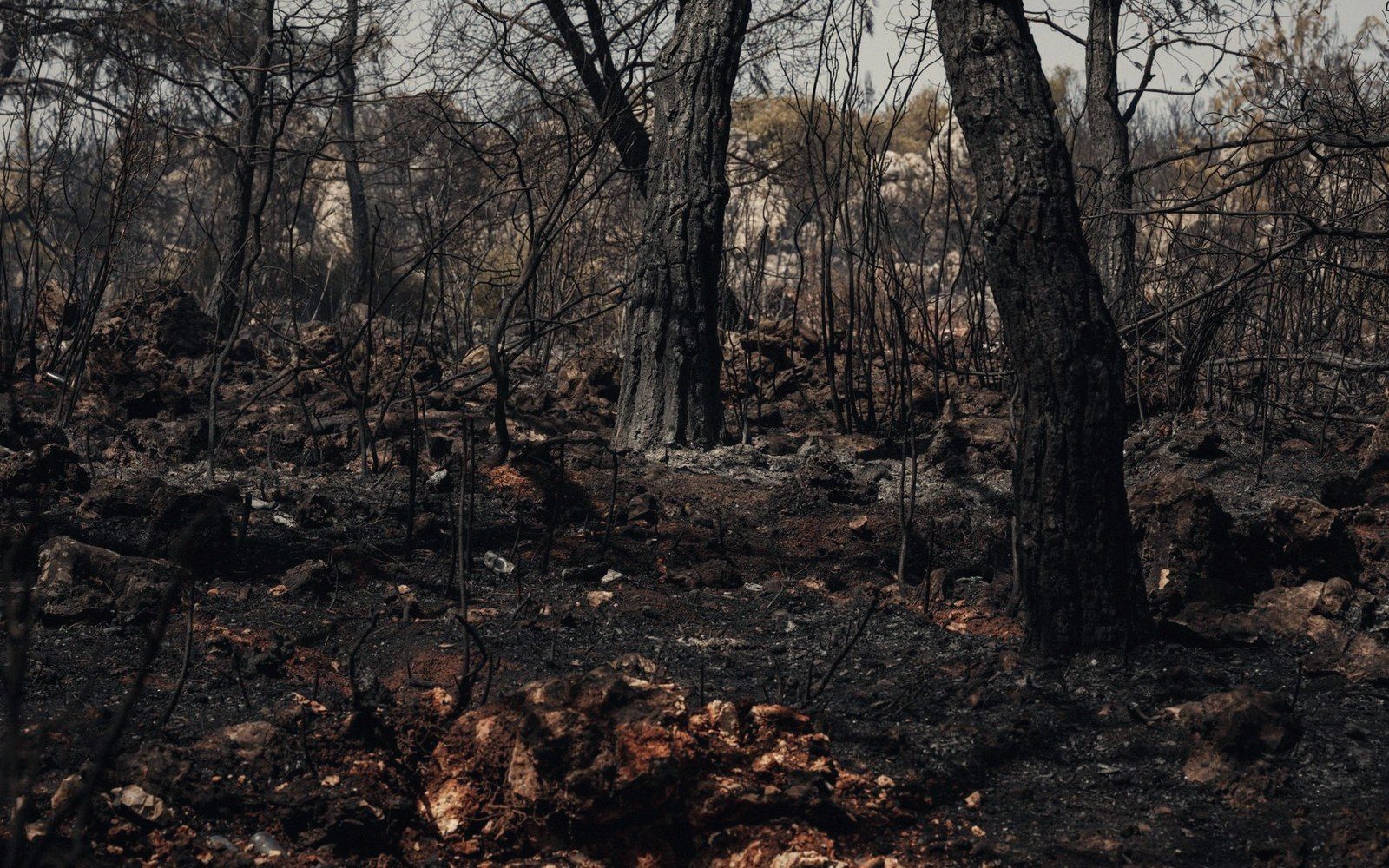
Reading the stage
Walking through a recovering site, it is possible to read how far succession has progressed and, with care, to infer something about what the disturbance was. Open ground with a patchy scatter of wind-blown annuals alongside rosette-forming biennials: early stage, probably mineral substrate, probably only a few seasons since exposure. Dense, head-high bramble with elder and patches of nettles: organic enrichment somewhere in the history, fast progression, moderate shading. Scrub with ash or birch overtopping it, bramble retreating: several years in, the pioneer trees winning. Closed canopy with a shade flora beginning to establish beneath: a decade or more of uninterrupted succession, the light-demanding pioneers now largely gone.
The sequence is broadly predictable, but prediction at the level of which species, on which patch, in which order, is harder than it first appears. The disturbance leaves a particular substrate. The surrounding landscape supplies a particular pool of propagules. The weather in the years immediately after exposure shapes which germinants survive. What comes back first is not a fixed list. It is an answer that this particular ground works out for itself, given what the disturbance left behind.