Pioneer species
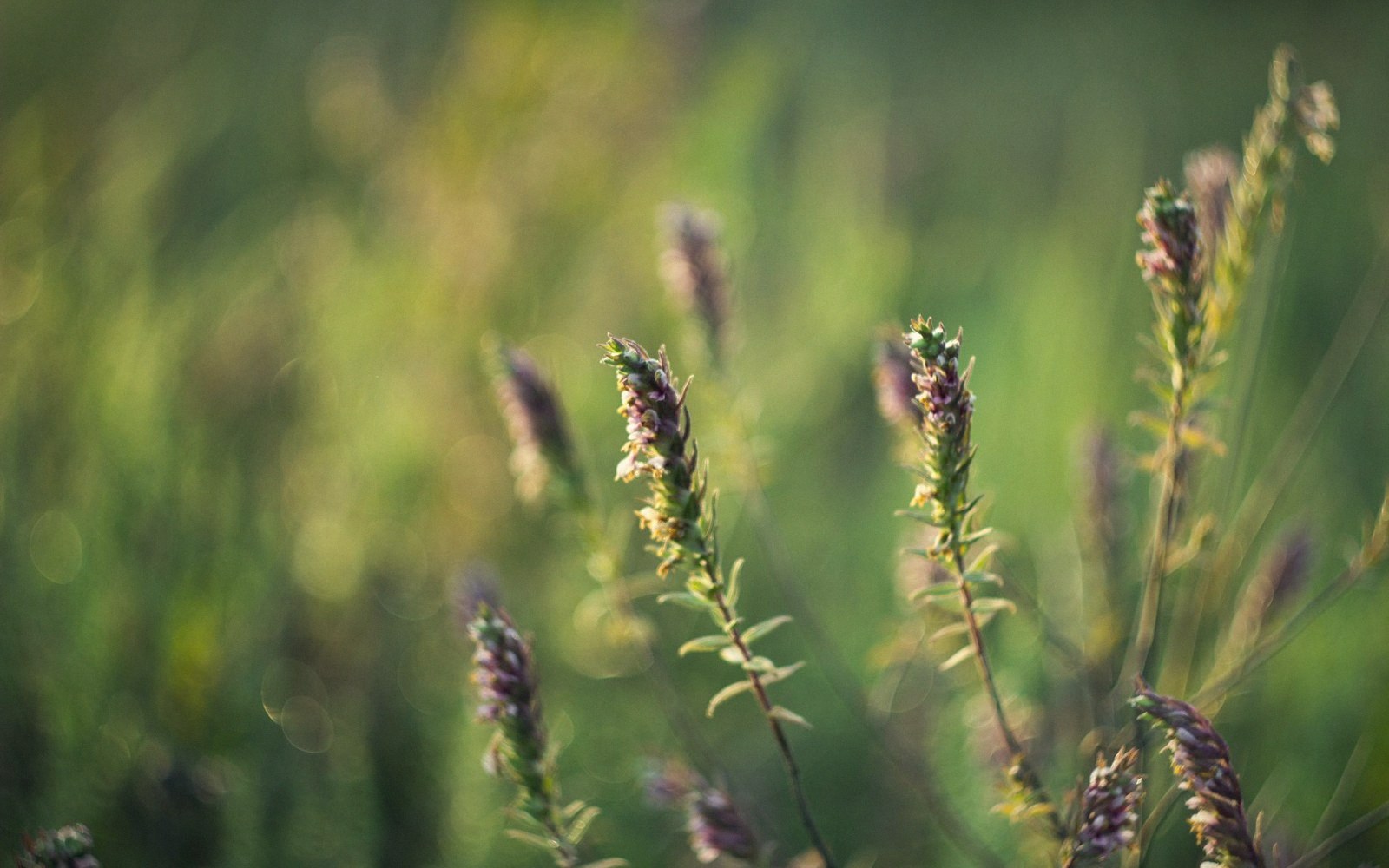
Built for a gap
A gap opens — fire, flood, landslide, a bulldozer — and within weeks something is already growing there. These are pioneer species: fast-germinators, heavy seeders, short-lived. They are not random arrivals. They are specialists in disturbance.
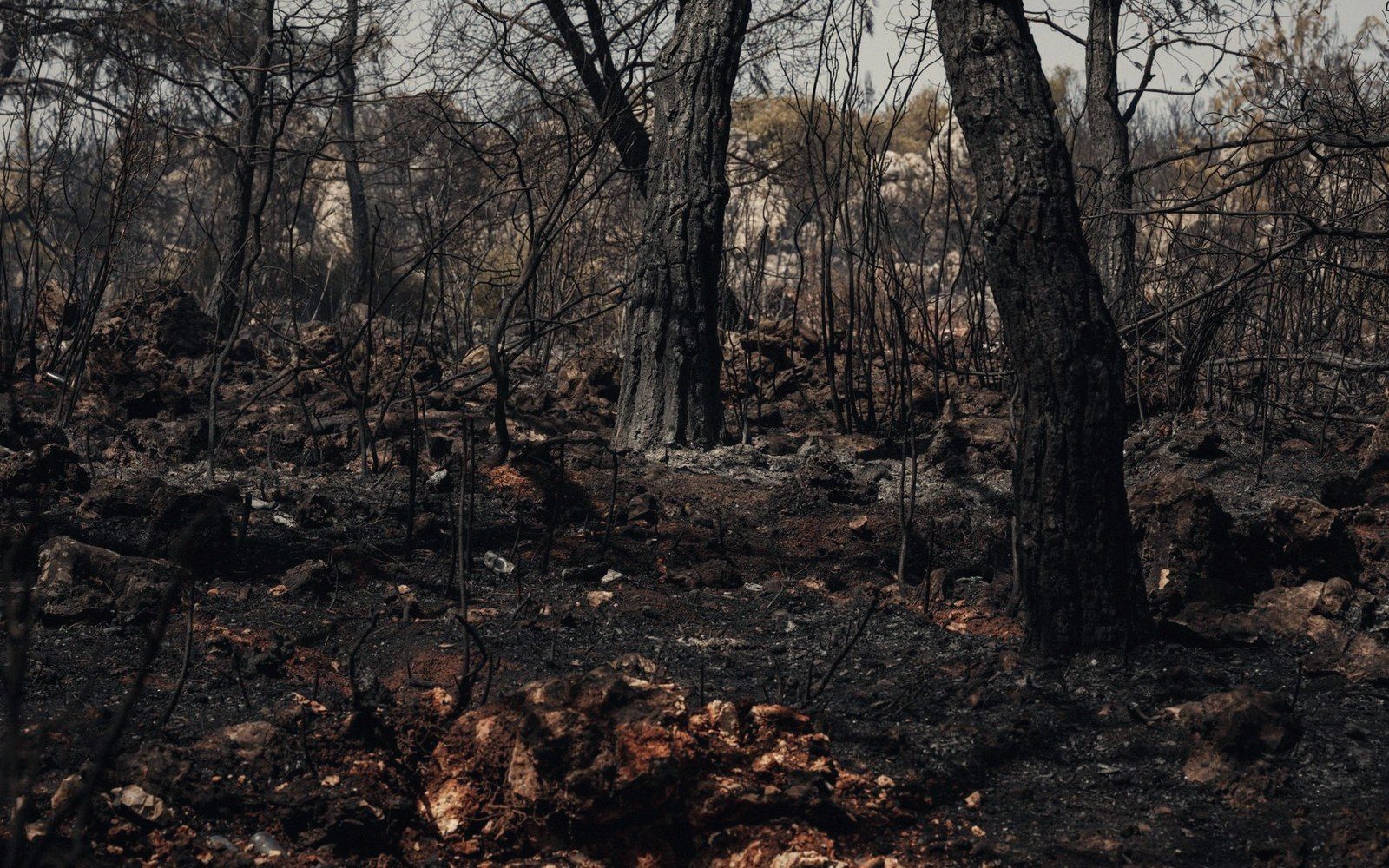
The profile is consistent across plant families. Small seeds, produced in large numbers, dispersed by wind or carried on fur and feather. Rapid germination triggered by light hitting bare soil. High photosynthetic rate, early flowering, and a lifespan measured in months or a few years rather than decades. Rosebay willowherb (Chamerion angustifolium) follows fire and turned London's bomb sites magenta through the 1940s. Oxford ragwort (Senecio squalidus), escaped from the Oxford Botanic Garden in the eighteenth century, spread along railway ballast — the sharp-draining, open rubble that mimics the volcanic scree of Mount Etna, its origin habitat. Coltsfoot (Tussilago farfara) pushes into compacted clay before anything else can.
Each of these species is exploiting a brief window when competition for light is low. As soon as perennials root in and taller vegetation closes over, conditions no longer favour them. They do not hold ground — they cross it. The community that replaces them is already more complex, and many pioneers depend on the seed bank to persist: viable seed lying dormant until the next disturbance tears the canopy open again.

Animals pioneer too, though the pattern is less often noticed. Bare compacted ground attracts certain solitary bees and wasps that nest in vertical earth faces. Lapwings favour open disturbed fields because their chicks need short sightlines. The pioneer community is not only botanical.
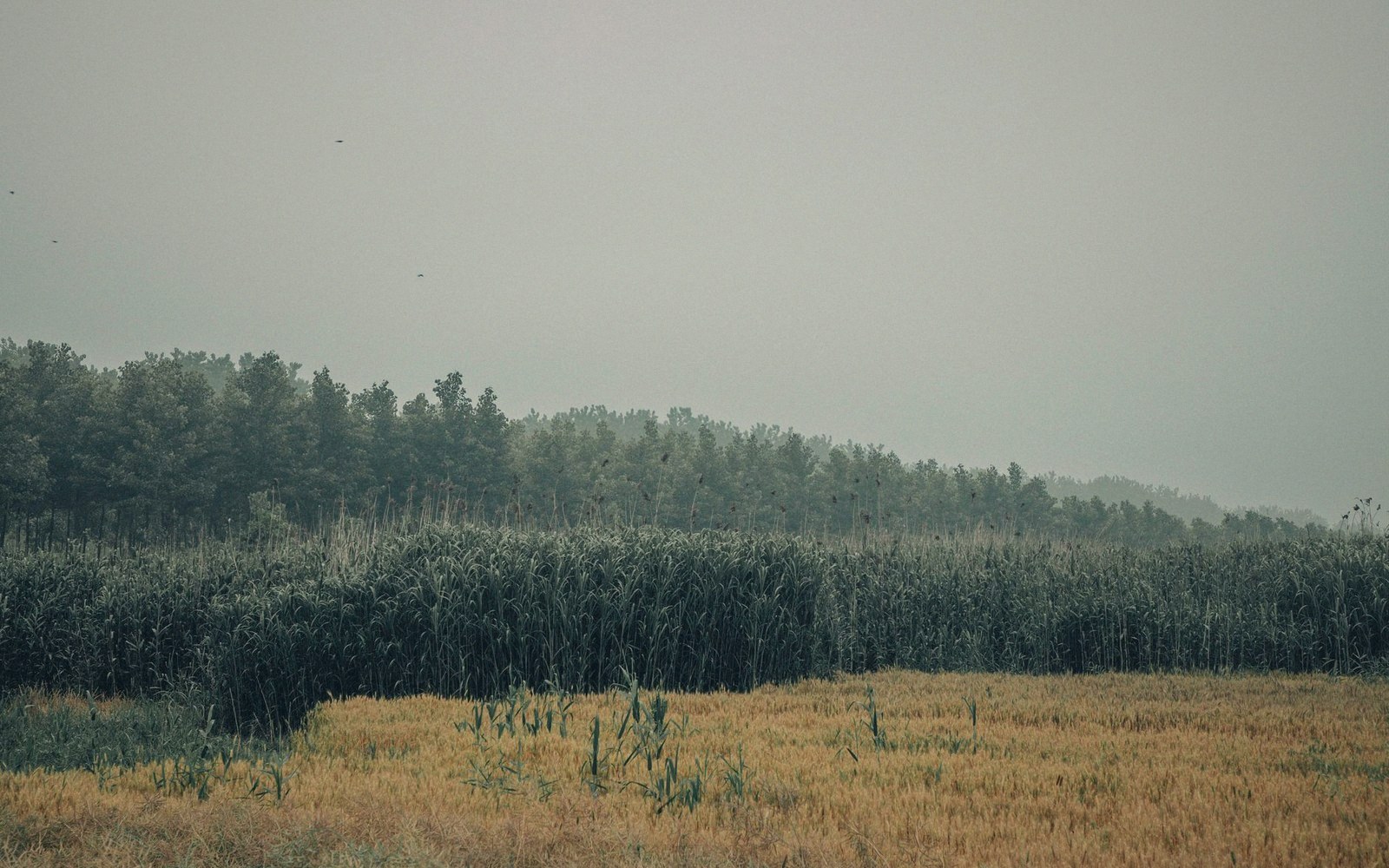
What marks a genuine pioneer is intolerance of competition rather than intolerance of harsh conditions. Many thrive on nutrient-poor, physically difficult ground simply because nothing else has arrived yet. Move the same species into an established meadow and they are quickly shaded out or outcompeted. The gap is the habitat. Without fresh disturbance, there are no pioneers — and succession, however slowly, moves on.