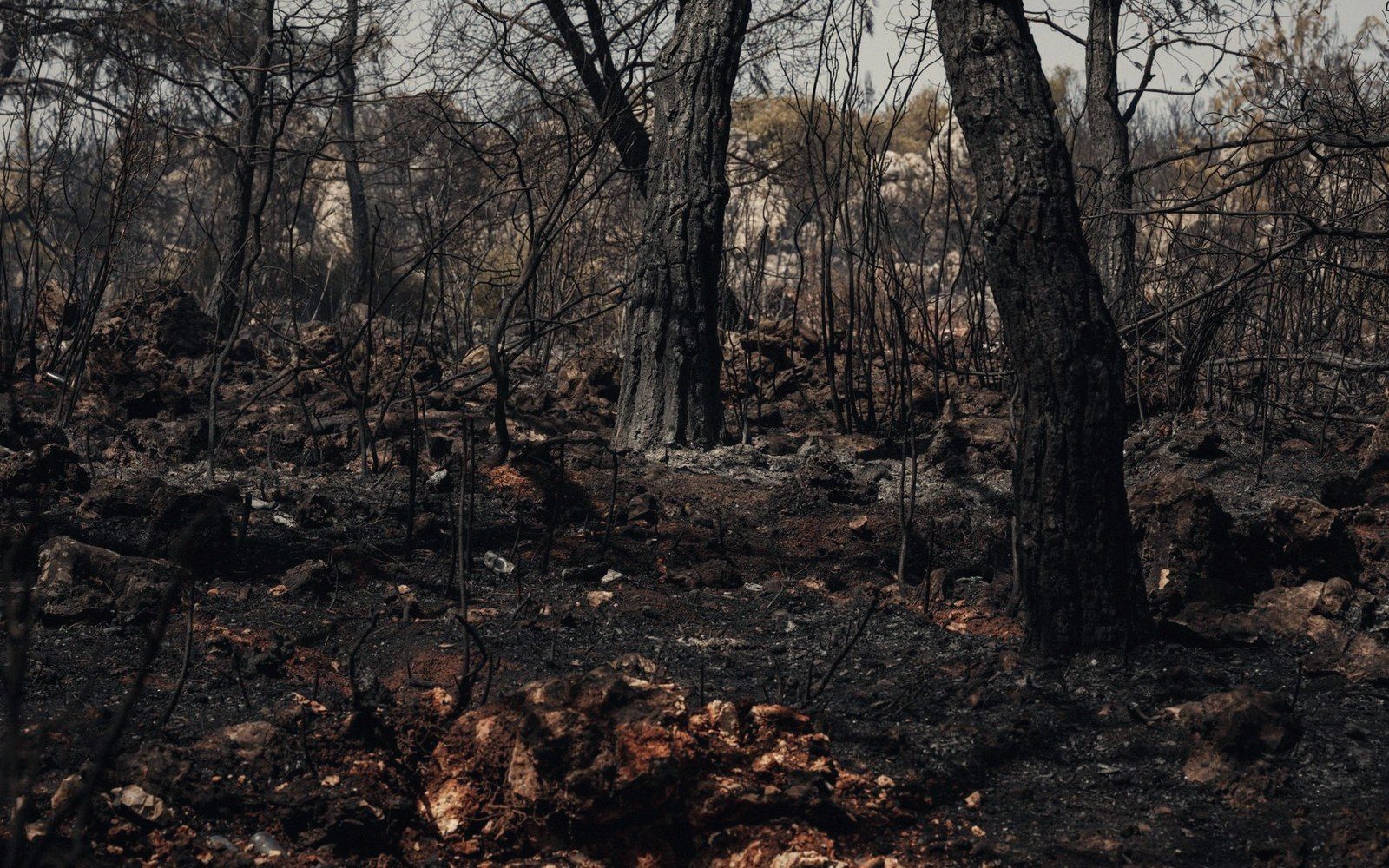
The ash bed as seedbed
Fire looks like erasure. Walk a burned heath or cleared woodland floor two weeks later and the ground is black, open, and silent. But the ecology starts shifting before the ash cools. Heat volatilises the waxy cuticle that waterproofs many seeds, making them permeable to moisture and triggering germination. Some species — rosebay willowherb, certain heathers, and several legumes — carry seeds whose coats crack or soften under exactly this kind of thermal shock. They are not survivors of fire so much as respondents to it.
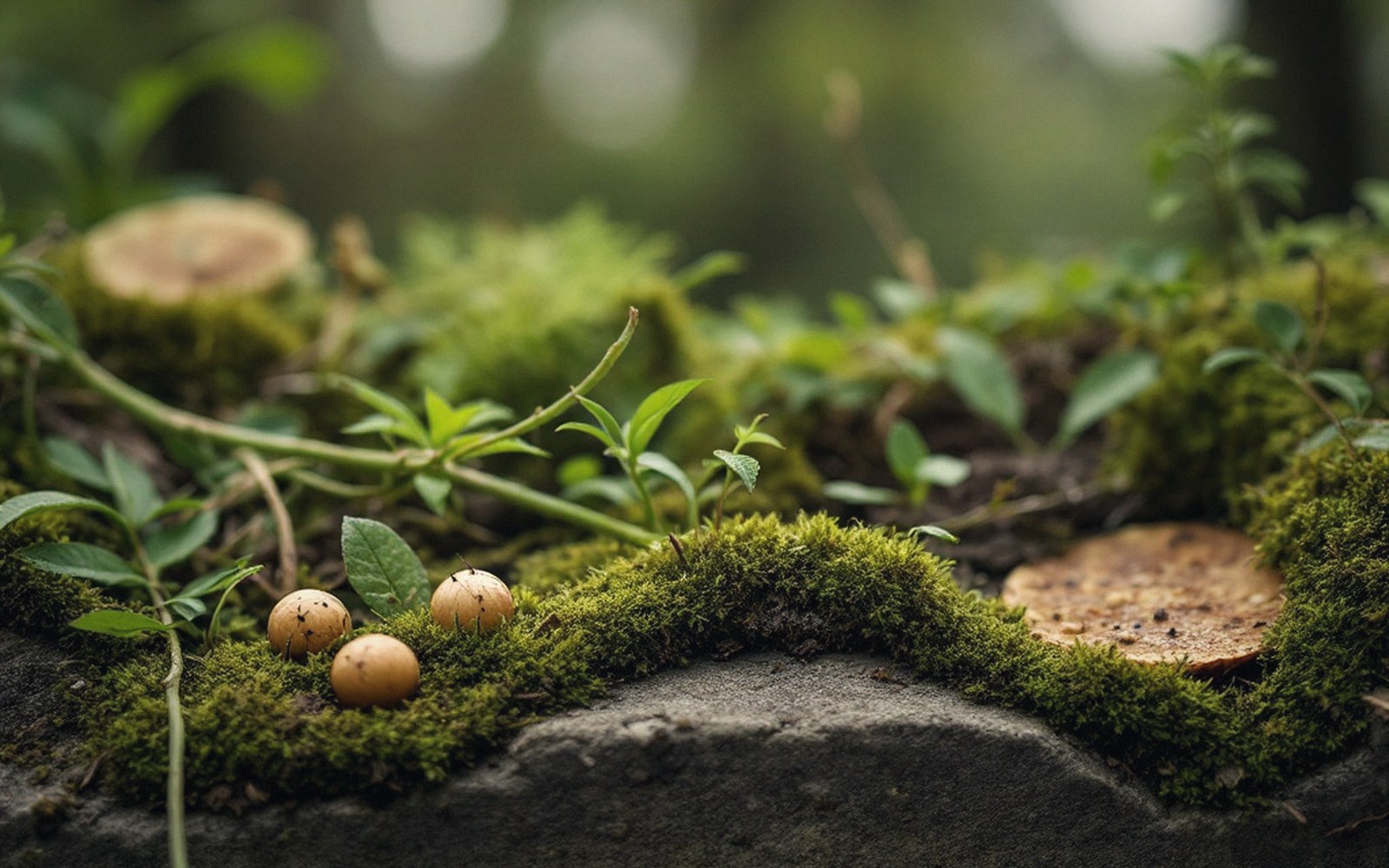
Below the surface, the seed bank matters enormously here. Buried seed can be insulated from lethal temperatures by even a centimetre of damp soil, while the fire consumes litter and root competition above. The result is a pulse of germination within days of rain on a burned patch, dominated by species that have been waiting — sometimes for years — for this combination of light and heat cue.
Nutrients behave oddly in the aftermath. Ash is alkaline and rich in potassium and phosphorus; nitrogen, by contrast, is largely lost as gas during combustion. The early post-fire vegetation reflects this imbalance: pioneer forbs and grasses that can tolerate low nitrogen come first, and legumes capable of fixing nitrogen often follow quickly, gradually correcting the deficit. Soil microbiome communities are partially reset — mycorrhizal networks are disrupted — which slows the return of some deep-rooted woodland species that depend on fungal partnerships.
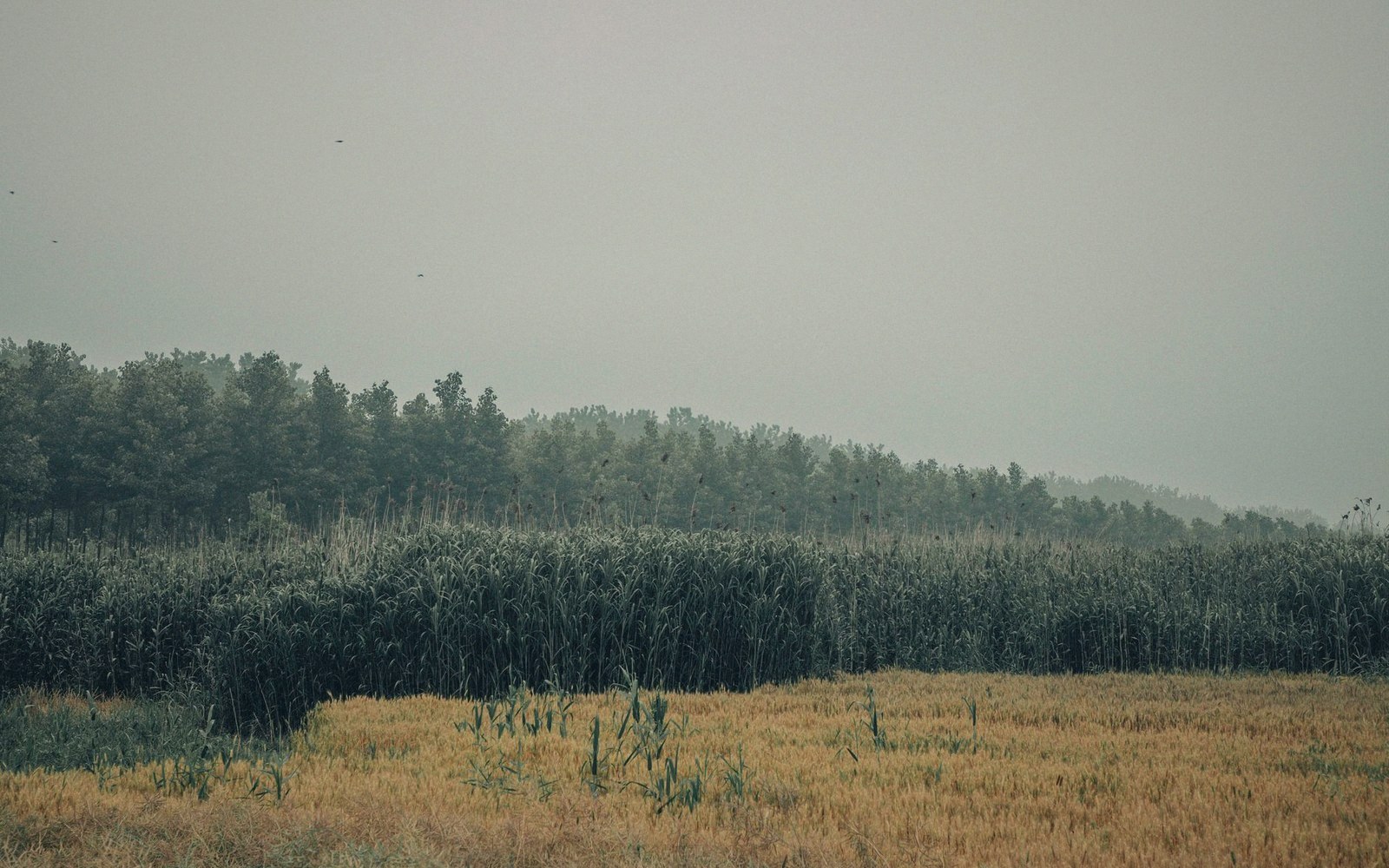
On UK heathland managed with periodic rotational burning, this process is well documented. Heather (Calluna vulgaris) typically regenerates from root stock if the burn is fast and the soil is not overheated, while bare patches between plants fill from seed. The timing of the burn matters: late-winter fires allow ground-nesting birds to return before the season opens; summer burns drive heat deeper and are more destructive to soil structure.
The fire-adapted character of many landscapes is old enough to be baked into the flora. What looks like destruction to a walker passing through is, for the vegetation, closer to a starting pistol — one that only fires under very specific conditions, and that the plants have been tracking for a long time.