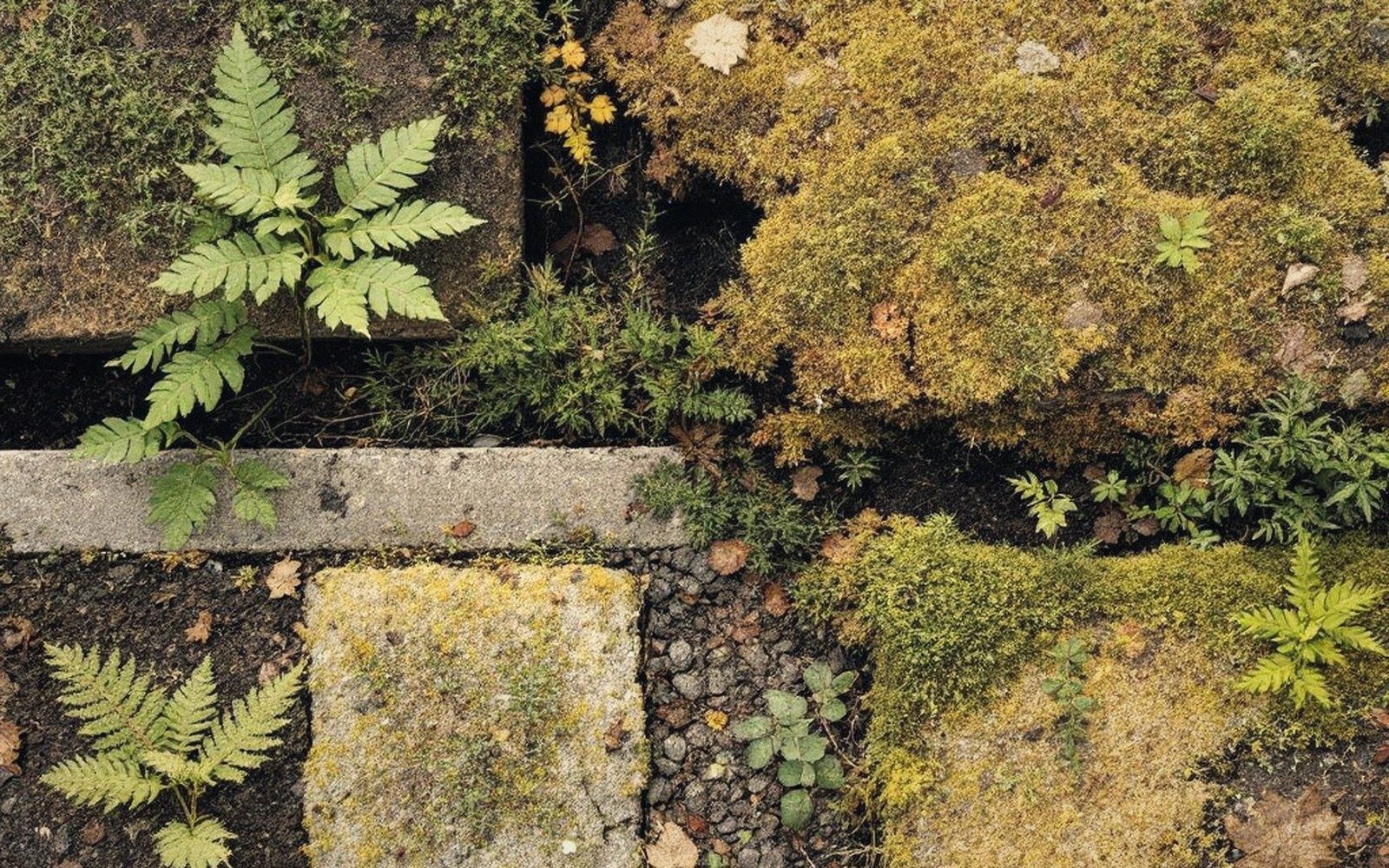
The logic of the gap
A continuous corridor is the tidiest solution to fragmentation, but the land doesn't always cooperate. Fields, roads and buildings occupy the gaps between habitat patches, and sometimes the best that exists is a row of small, isolated features — a garden pond, a copse, a marshy field corner — spaced at intervals across otherwise hostile ground.

These are stepping stones: patches too small to sustain a breeding population on their own, but functional as staging posts between larger areas. The distinction matters. A stepping stone is not valued for what lives in it permanently; it is valued for what passes through it. The ecological question is whether the gaps between stones are crossable, and whether the stones themselves offer enough cover, food or water to make the crossing worth attempting.
The distances that matter vary sharply by species. A great crested newt — one of the more studied examples in lowland Britain — will move between ponds across several hundred metres of terrestrial habitat, but rarely much further. A hedgehog ranges wider; a dormouse, threading through scrub, will not cross open ground at all. Getting from patch to patch shapes not just movement but whether distant populations exchange individuals often enough to remain genetically connected.
What makes a stone functional
Three things determine whether a small patch actually works as a stepping stone. First, it must be detectable — scent, visual cues or habitat structure must signal to a moving animal that something useful is there. Second, it must offer something on arrival: shelter from predators, food, or water, depending on the species. Third, the inter-stone gaps must fall within the species' dispersal range. A chain of ponds fifty metres apart serves amphibians; the same ponds a kilometre apart do not, however good each pond is in isolation.
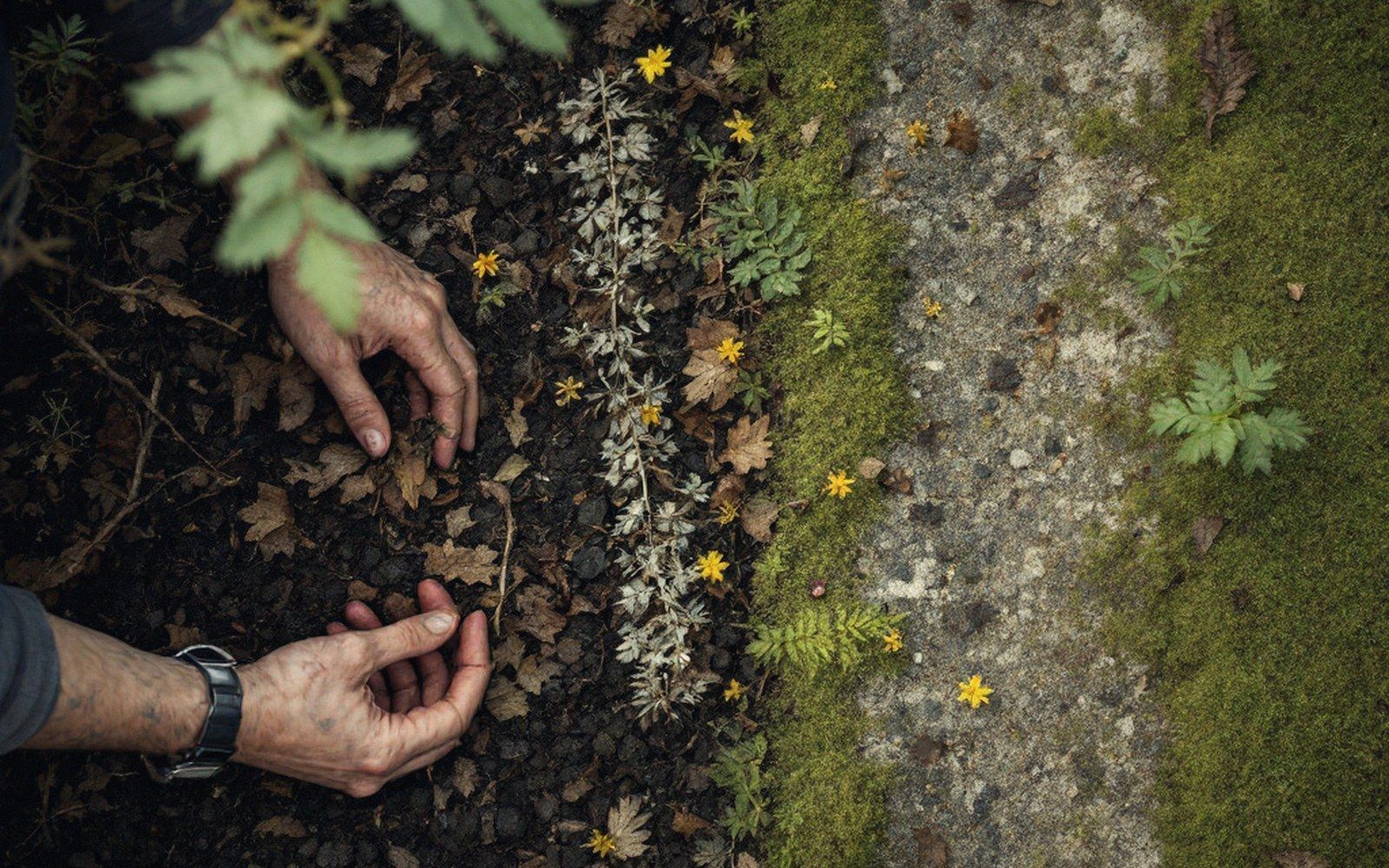
Plants use stepping stones differently. Wind-dispersed seeds may bridge large gaps without any intermediate patch; short-range dispersers — those carried by ants, or those with heavy seeds — depend on stepping stones far more literally, each patch acting as a small source population for the next colonisation event.
Urban landscapes often produce accidental stepping stone networks: churchyards, allotments, railway embankments and garden clusters forming chains that function even when no planner intended them to. Whether a given chain actually connects depends on empirical observation rather than map analysis, which is why transects and mark-recapture studies in these settings can yield more useful data than landscape-scale modelling alone.
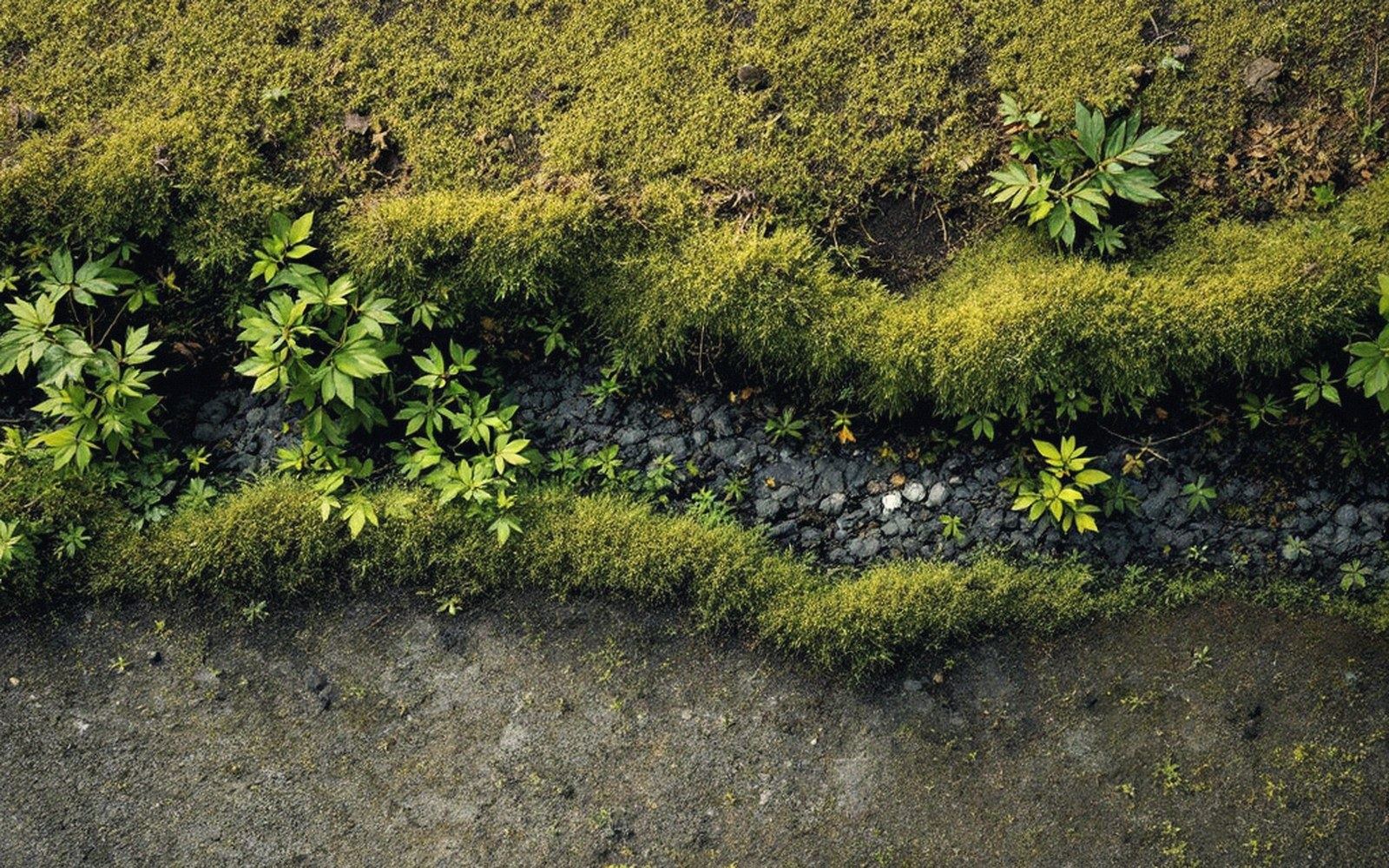
The stepping stone is a concession to the real world — smaller than ideal, isolated, often dependent on landowners with unrelated intentions. That it works at all, for some species across some gaps, is the point worth holding onto when reading a fragmented landscape.