Road crossings
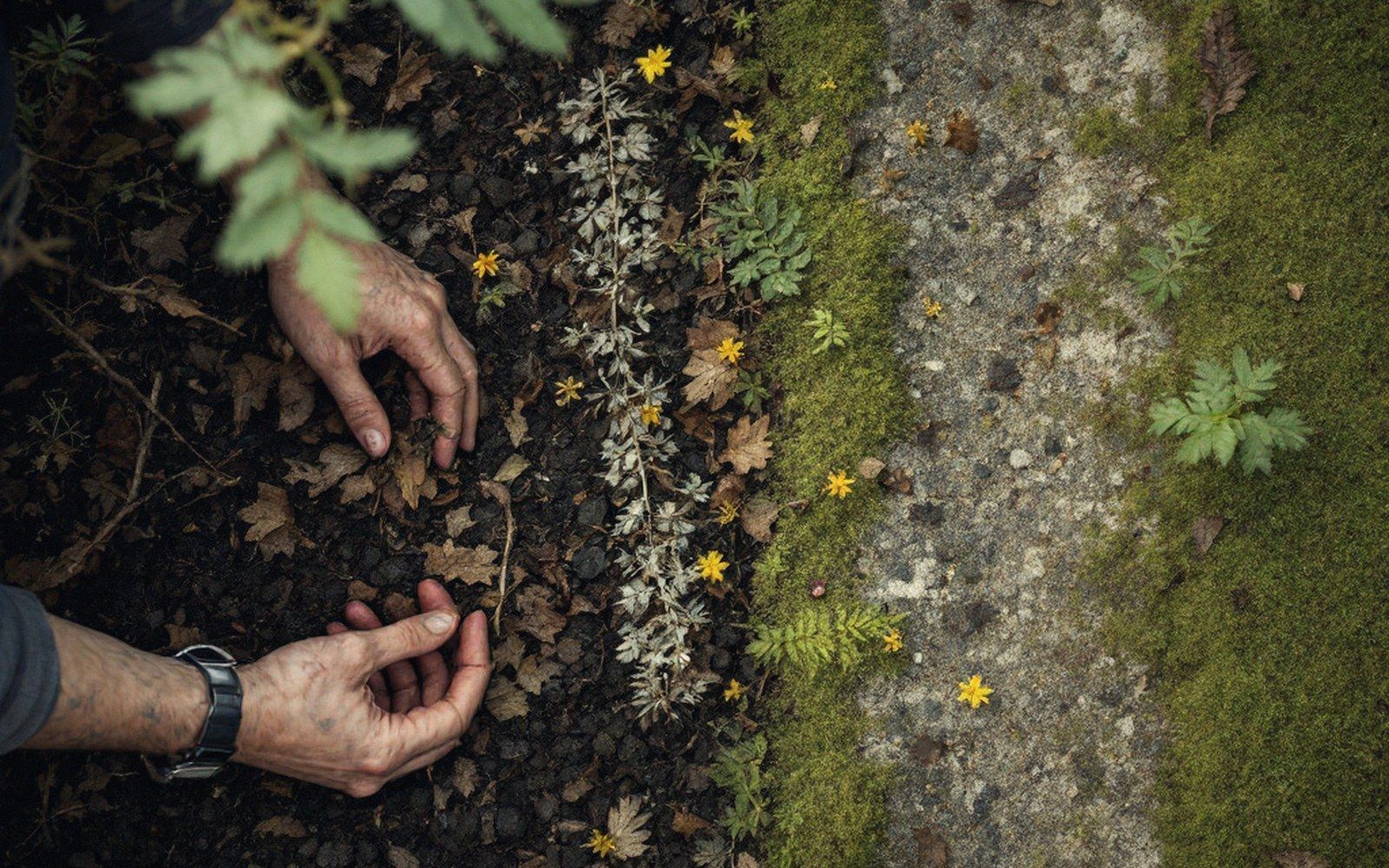
Tunnels, bridges and the animals that use them
A road is a corridor for vehicles and a barrier for almost everything else. The ground-level crossing is where most animals die. Structures built beneath or over the carriageway — culverts, underpasses, green bridges — attempt to replace what the road severed, and decades of monitoring across Europe and North America have produced a clear picture of what works and what doesn't.
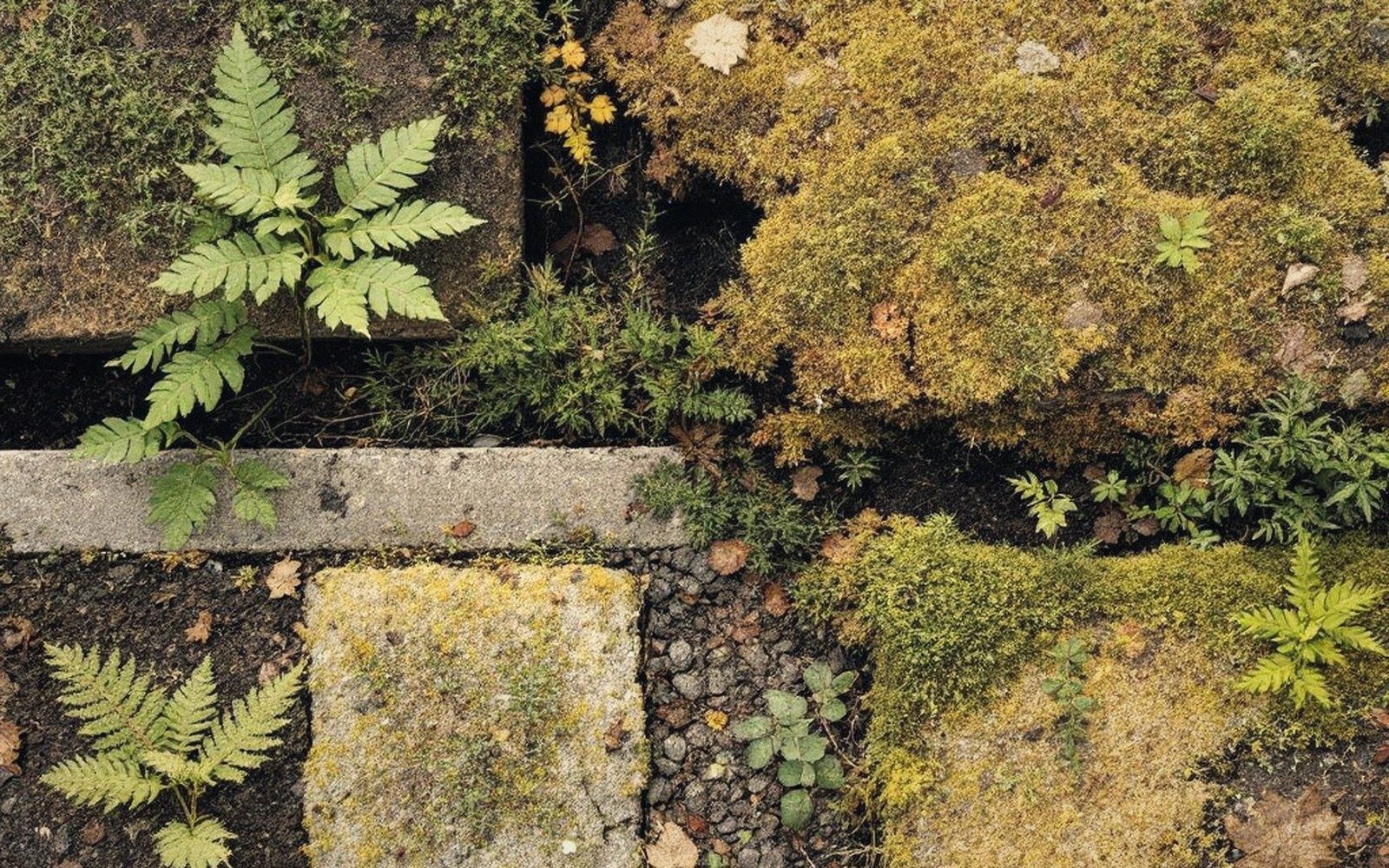
Size and darkness determine who will enter. Small mammals — hedgehogs, badgers, otters — will use concrete culverts as narrow as half a metre across, provided the structure is short enough that the far end is visible. Badgers are documented using purpose-built underpasses within weeks of opening if the approach is guided by low fencing, which doubles as a drift fence to intercept animals moving parallel to the road. Otters require a dry ledge beside any water channel; without one, a flooded culvert is impassable. Amphibians, which move in pulses on warm wet nights, use the smallest tunnels of all — ceramic pipes 20–30 centimetres in diameter placed at intervals along roads that cross between woodland and breeding pond.
Larger mammals are more reluctant. Deer use underpasses only in extended structures wide enough to admit daylight, and even then passage rates increase markedly when vegetation is established inside. The green bridge — an overpass covered in soil and planted — was originally developed in France in the 1950s for this reason, and studies on structures in the Netherlands and Scandinavia show roe deer, fox, and in some cases wolf using them regularly once the planting matures.
Birds and insects are different problems. Road noise and the gap in canopy cover deter some woodland interior species from crossing even a narrow road; a structure helps only where the physical gap, not the noise, is the limiting factor.
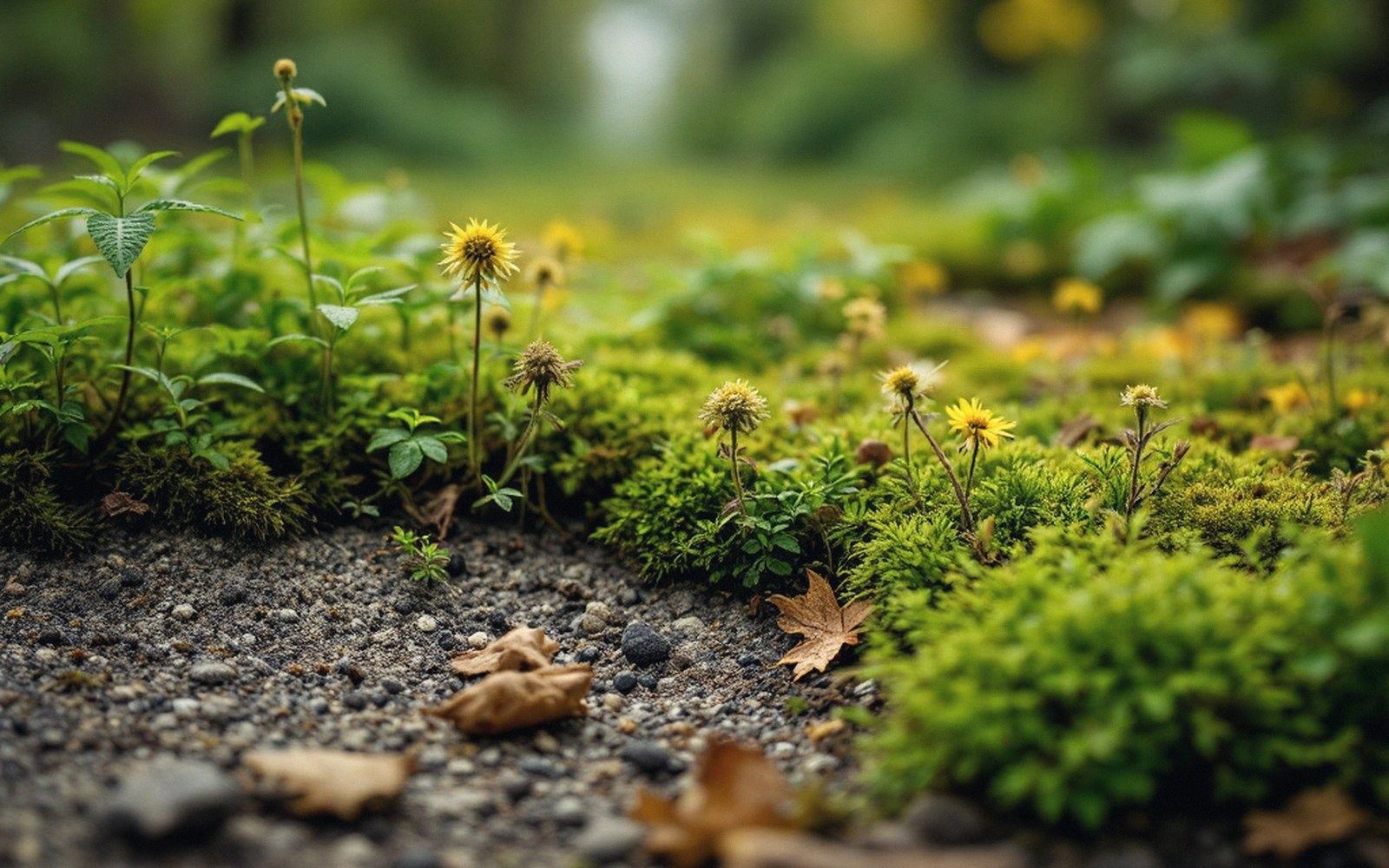
Monitoring matters here. Camera traps on a randomised schedule, combined with track pads in substrates beside the entrance, give repeatable data on which species use a structure. Presence alone is not enough — passage rate over time, and which species are absent, tell the more useful story.