Transects
A fixed line, walked the same way every time — because the value is in the comparison.

The method is the baseline
A transect is a line across a piece of ground, walked or surveyed in a consistent direction, at a consistent pace, recording what appears within a fixed distance on either side. The width might be two metres or twenty, depending on the organism being counted; the line itself is pegged, mapped and permanent. That permanence is the point.
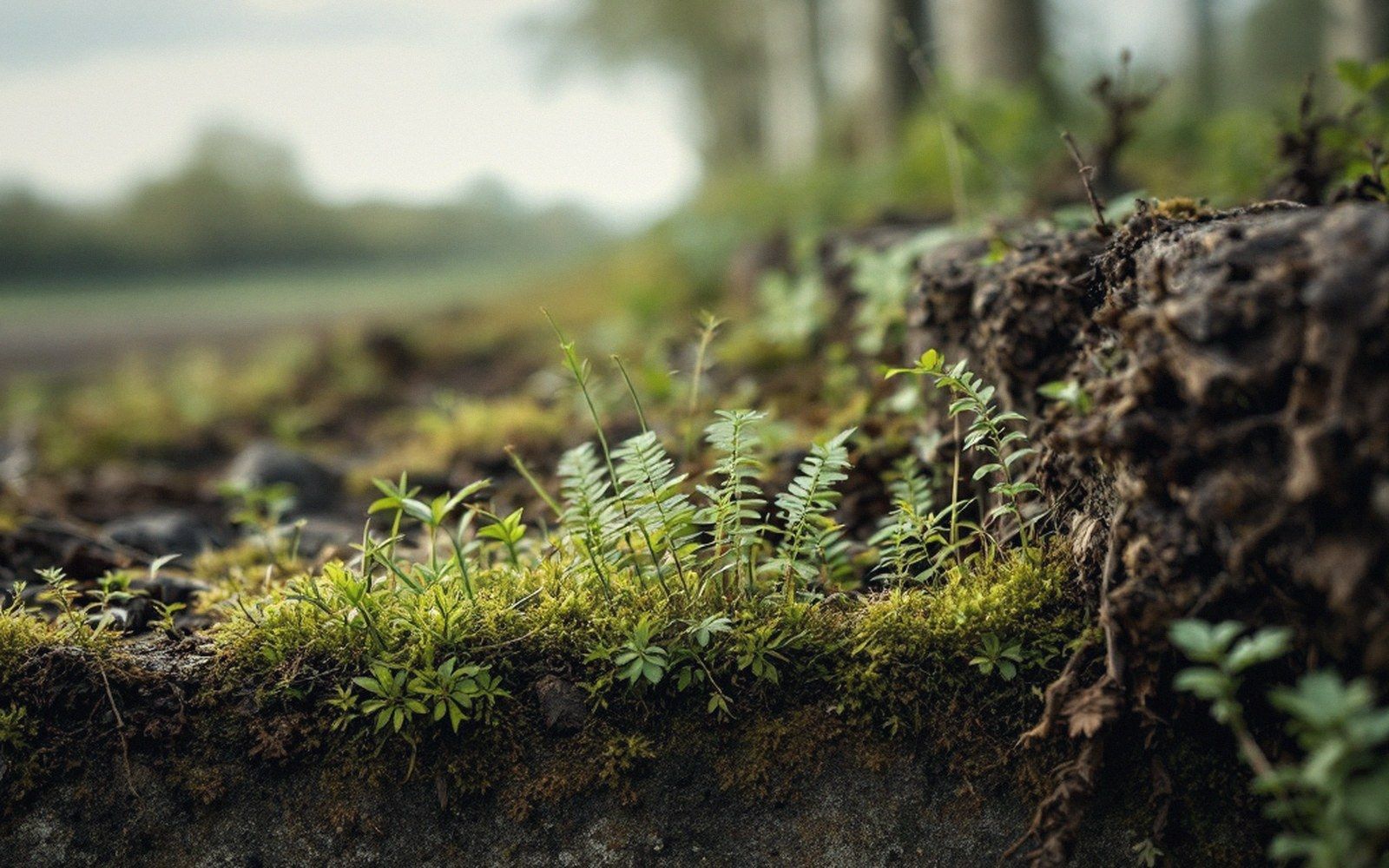
On the first walk, the data are almost meaningless in isolation. On the fifth, tenth or fiftieth, the line becomes a record — not of the landscape on any given day, but of how that landscape is changing. Butterfly Monitoring Scheme transects in Britain, running since 1976, work this way: volunteers walk the same routes weekly through the flight season, and the accumulated counts now constitute one of the longest continuous insect datasets in the world.
The discipline the method demands is precisely what makes it useful. Deviation — crossing to a more interesting patch, cutting the walk short in rain, adding a loop — corrupts the data. The line must be dull to be rigorous. Any count that reflects the observer's curiosity rather than the landscape's contents is noise, not signal.

Transects are used across taxa: breeding-bird surveys use driven transects along roadsides; vegetation surveys record plant cover at fixed points along a tape; intertidal ecologists walk shore transects at low tide, noting species band by band up the gradient. Each application shares the logic: control for where you look, so that change in what you find is real.
The critical companion to a transect is documentation of method — exact start and end coordinates, time of day, weather conditions recorded. A transect walked at noon in July and again at dawn in March is not the same transect, however identical the route. Conditions are data too, and how any of this is known depends entirely on those conditions being written down.