Rivers as corridors
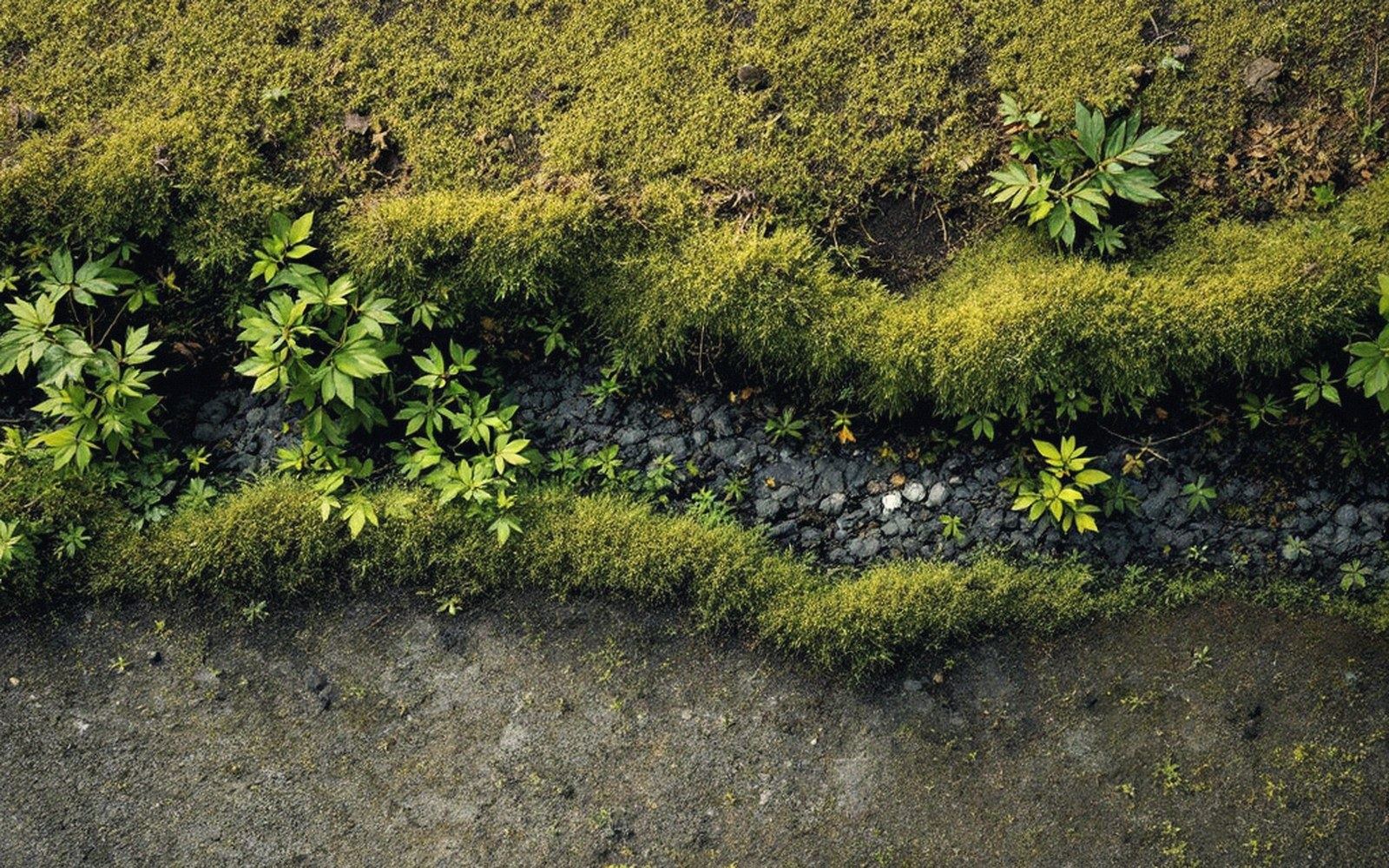
A line that crosses everything else
Fields are divided by fences, roads by tarmac, towns by walls — but a river ignores all of it. The water course runs on its own logic, cutting across field boundaries, road systems and parish lines without interruption. That continuity is ecologically significant: where fragmentation breaks up most habitats into isolated patches, a river and its margins form one of the few linear systems that remain genuinely connected at landscape scale.
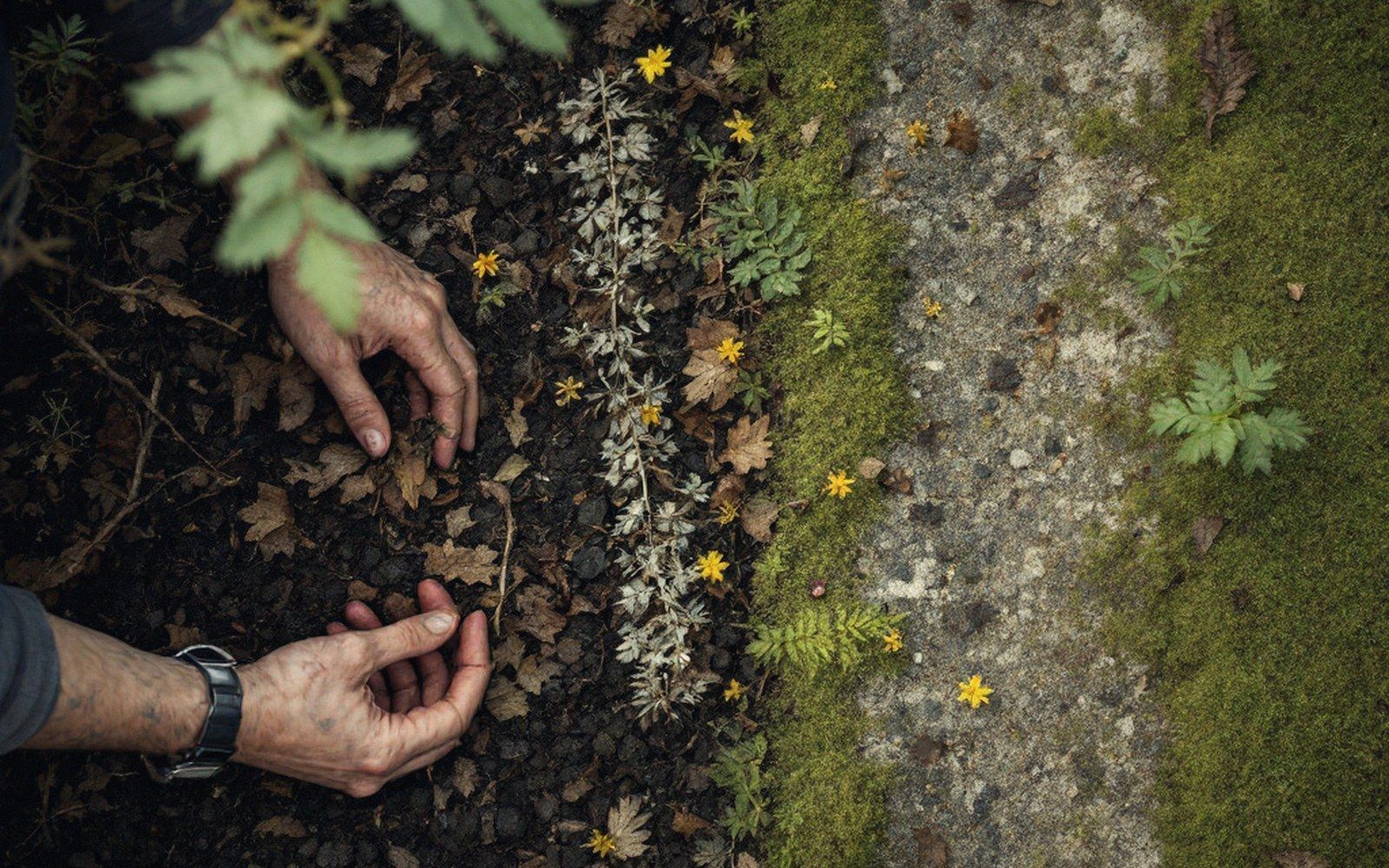
The corridor is not just the water. It is the riparian strip — the belt of bankside vegetation that follows the channel through otherwise managed land. Even a narrow margin of sedges, willows and tall herbs provides a route for species that cannot cross an open arable field. Otters move along rivers between catchments. Dippers walk underwater along stony upland streams, then vanish downstream when conditions change, reappearing where the substrate suits them again. Kingfishers prospect new territories by following the channel rather than cutting across country.
Plants use the river differently. Seed and vegetative fragments travel downstream in the current: the stands of Himalayan balsam or Japanese knotweed that colonise riverbanks in dense monocultures spread this way, each flood pulse carrying propagules to the next bare muddy margin. The same mechanism that moves invasive arrivals also disperses native wetland species — water forget-me-not, bur-reed, brooklime — into gaps where they would otherwise struggle to reach.
The quality of the corridor varies with bank management. A river with steep, mown banks and no marginal vegetation still functions as a water route, but not as a habitat corridor. Connectivity without structure gives mobile, water-dependent animals a path but little else. A river whose banks carry a graded margin — emergent vegetation at the water's edge, tall herb or scrub behind it, then rougher grassland — offers feeding, cover and nesting along the whole length. That gradient is what makes the difference between a route and a corridor.
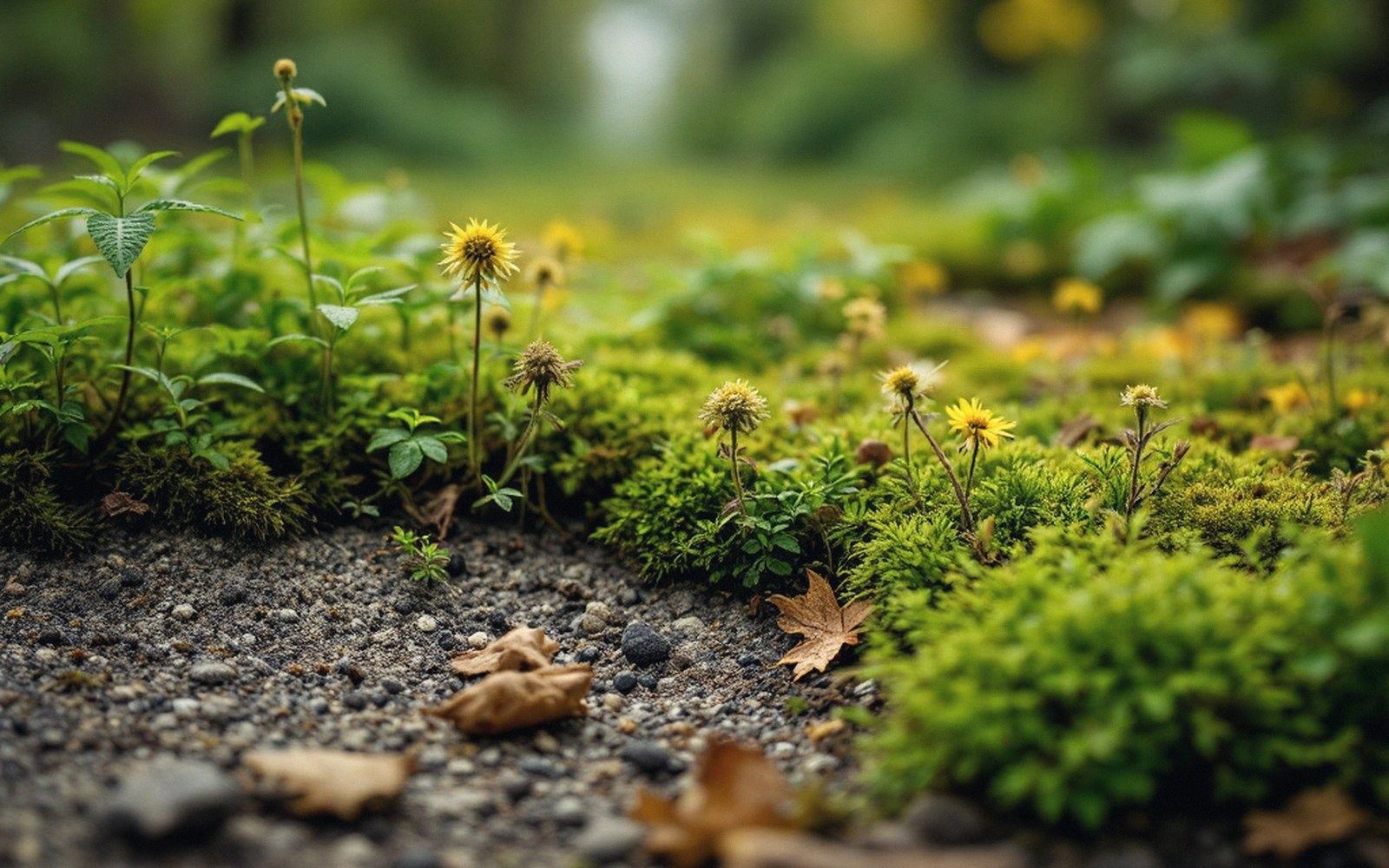
Where rivers widen into floodplains, the corridor spreads laterally. A functioning floodplain holds wet grassland, oxbow pools, scrub and seasonal flood-meadow within metres of the channel — each zone with its own assemblage, all linked. The river then acts less like a thread and more like a seam, stitching together a mosaic of wet habitats that nothing else in the landscape can replicate.
Stand at a bridge and look both ways. What you are seeing is not scenery. It is one of the longest unbroken habitat lines in the region.