Invasive arrivals
A species that finds no local checks can remake the habitat it enters — but what counts as invasive is less settled than it sounds.
The term is doing two jobs at once
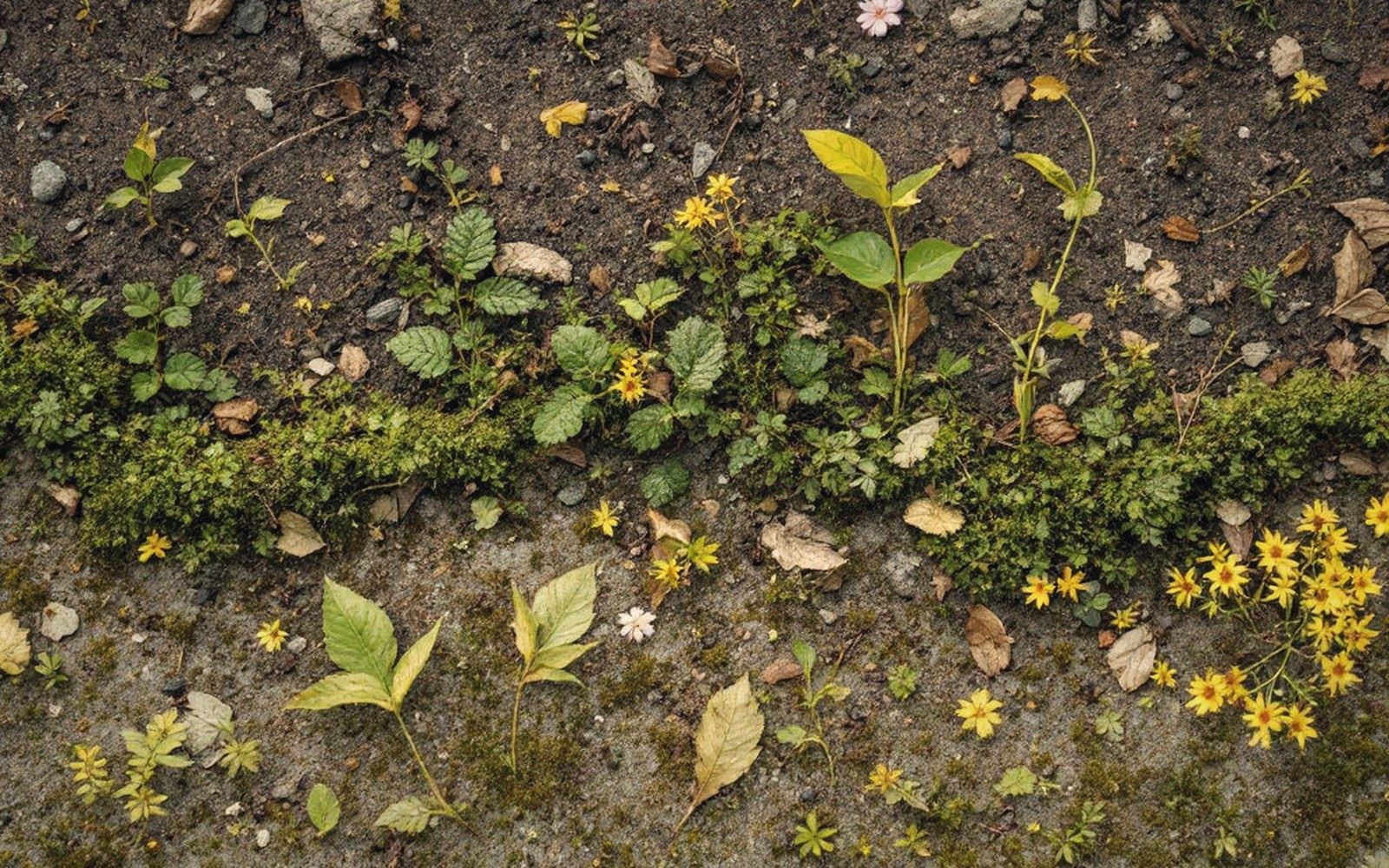
"Invasive" in ordinary speech means vigorous, spreading, hard to stop. In ecology it carries that meaning but also a second one: the species is non-native, established beyond its original range, and causing measurable harm to the receiving ecosystem. Both conditions have to be met. A native species that erupts in numbers — bracken smothering a hillside after grazing pressure drops, for instance — is described as dominant or expansive, not invasive. A non-native species that settles quietly into a niche and integrates without displacing anything earns the label naturalised, not invasive. The distinction matters because the two situations call for different interpretations, even when the visual result looks similar.
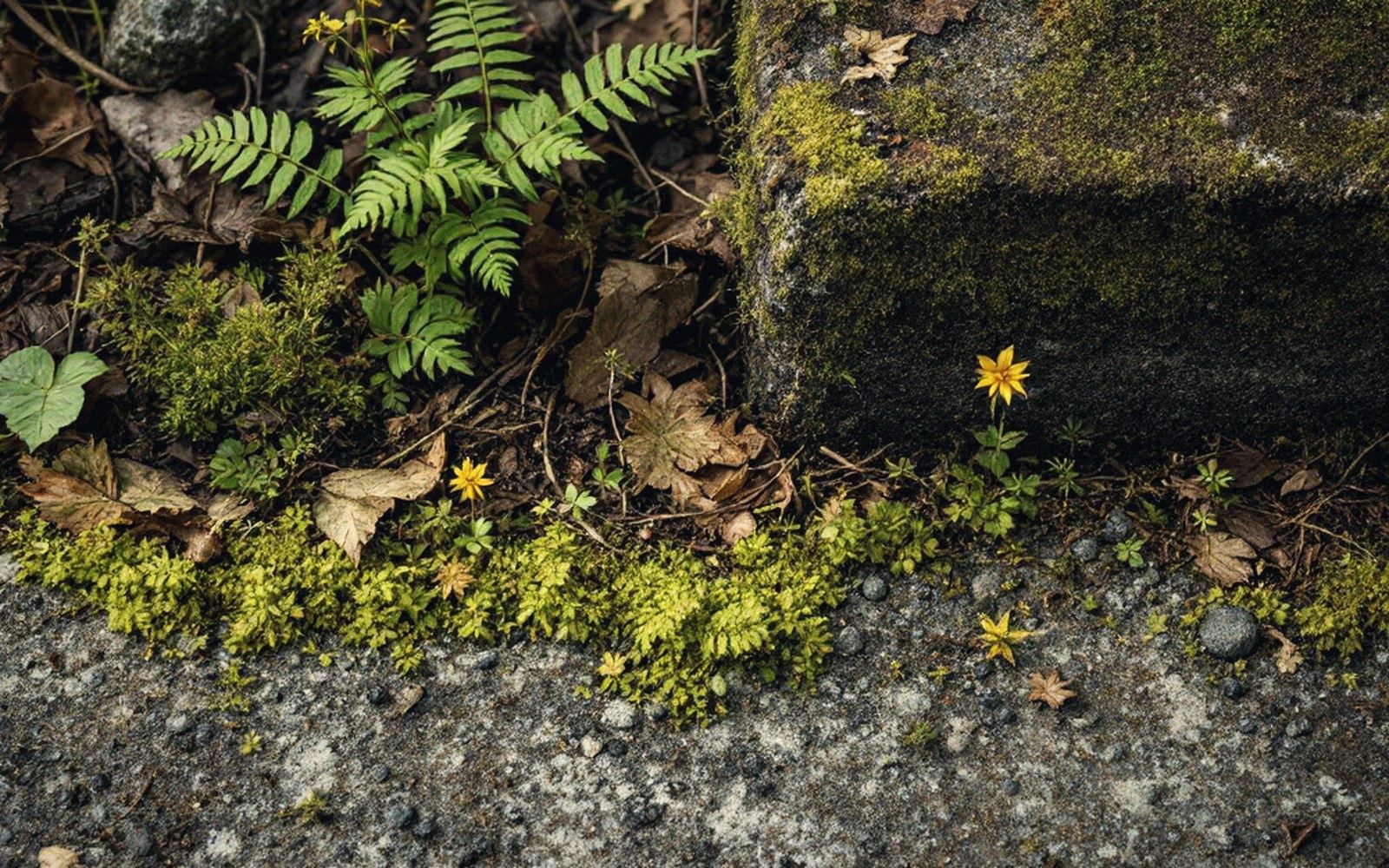
The mechanism behind an invasive species' success is usually the same wherever the plant or animal comes from: it has left behind the pathogens, herbivores and competitors that held its population in check at home. Japanese knotweed (Fallopia japonica) supports more than 180 herbivorous insect and fungal species in its native Japanese range and is kept in check by specialist insects. In Britain, where those insects are absent, its rhizomes extend metres through soil each growing season, shading out native ground flora. The plant itself is unchanged; the constraint is what is missing.
Edge habitats — roadsides, riverbanks, disturbed ground — tend to show invasives first and most densely, because these are the zones of greatest churn, the entry points for propagules moved by water, vehicles and feet. Himalayan balsam (Impatiens glandulifera) follows watercourses almost exactly: seeds float downstream, germinate on bare wet margins, and the monoculture that follows prevents establishment of the pioneer species that would otherwise colonise bare winter banks.
What the science actually argues about
The category is genuinely contested at its margins. Some researchers argue that any species establishing outside its historical range is, in the contemporary landscape, filling a function — pollinating, providing structure, sequestering matter — and that the "harm" threshold is rarely measured rigorously. Others point to documented cases of native species loss, altered fire regimes and changed soil chemistry driven by arrivals, and note that reversibility drops sharply once an invasive becomes established. The disagreement is not about the dramatic cases — few would dispute the knotweed example — but about borderline species where evidence of harm is thin.
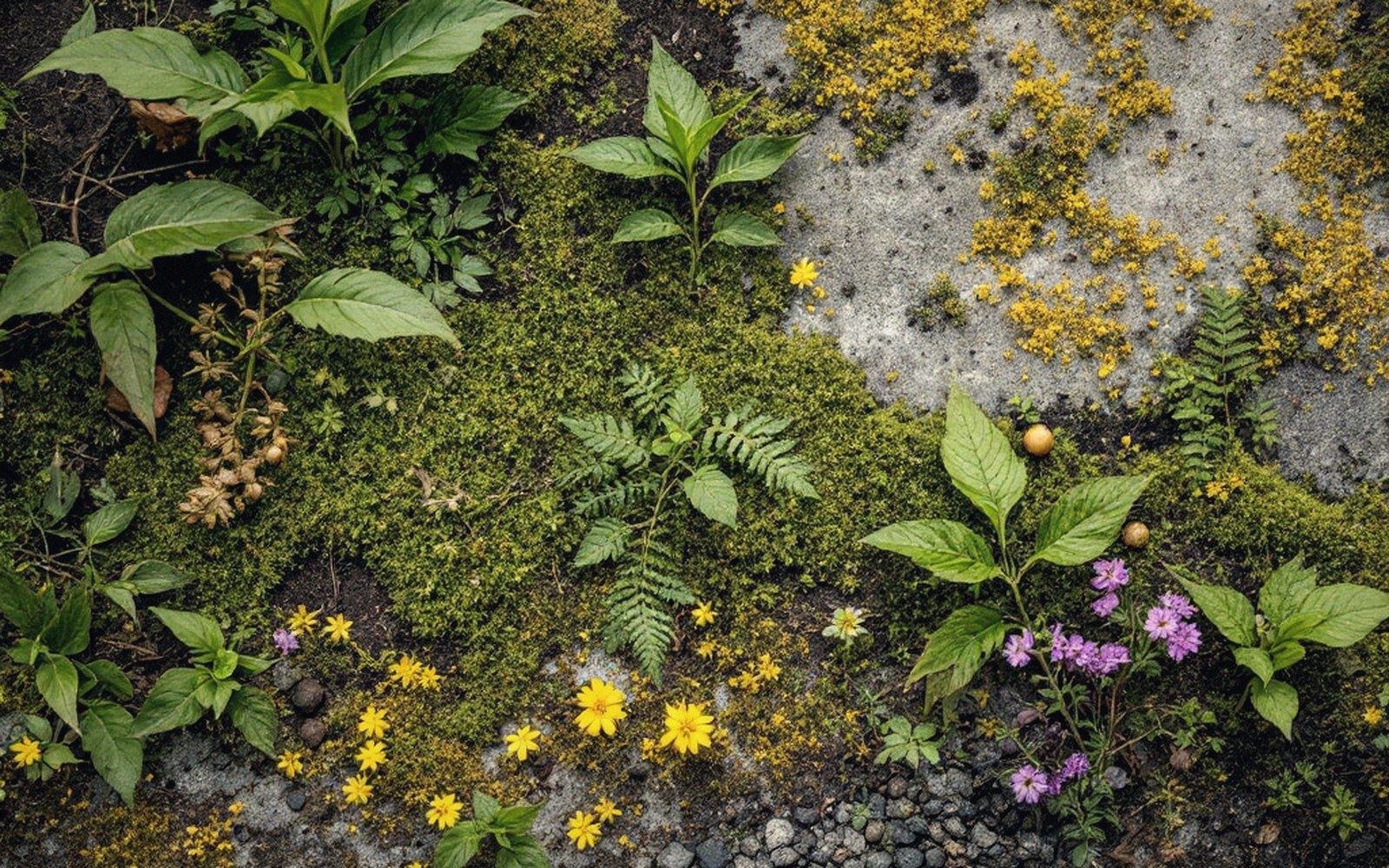
What can be observed in the field is simpler: a species spreading beyond where it was five years ago, and ground-flora composition changing beneath it. The inference about cause requires more caution.