Green roofs
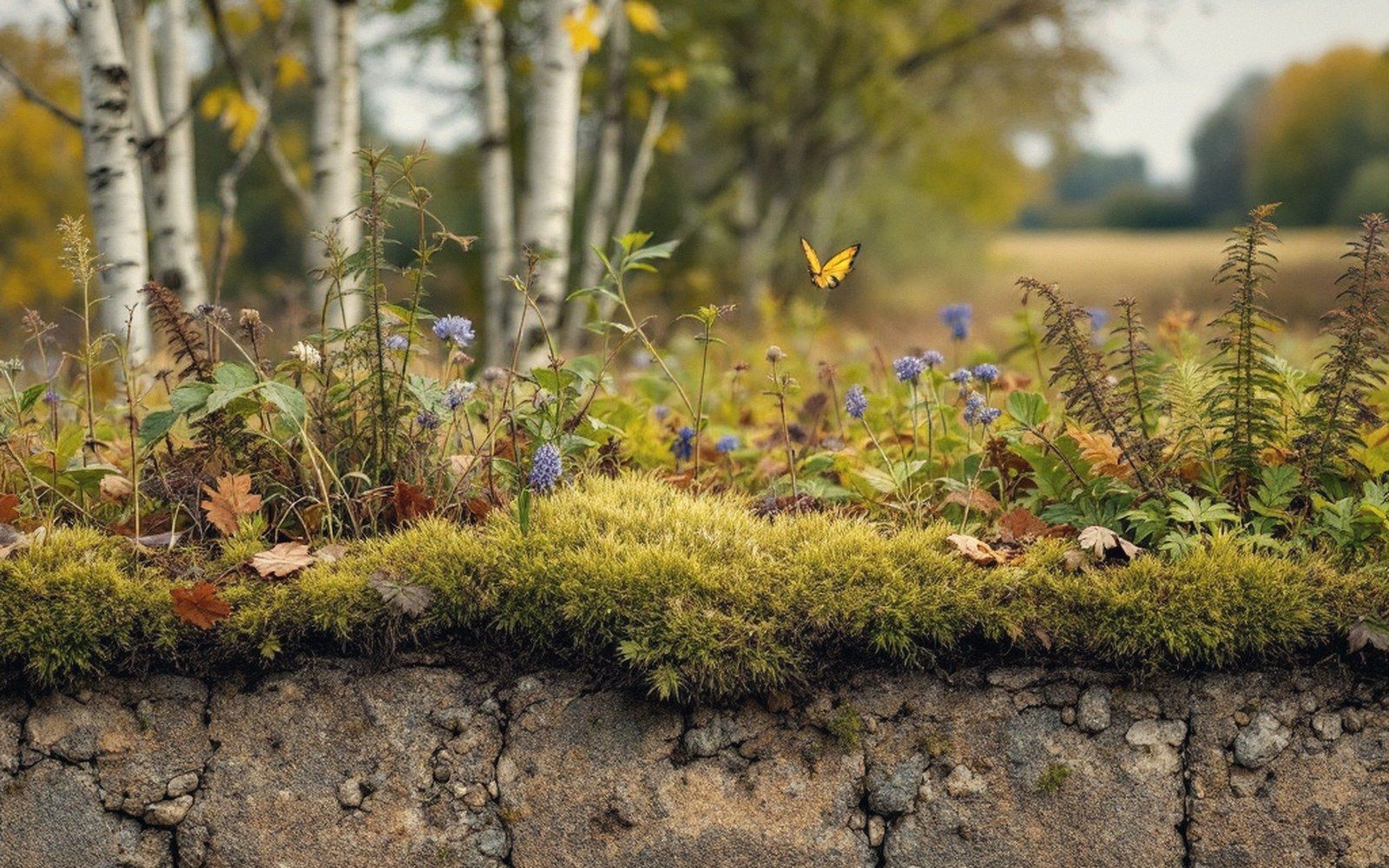
Substrate, exposure, and what actually stays
A green roof is not a garden in the sky. The substrate is typically fifty millimetres deep — sometimes less — over a drainage layer, over waterproofing. In summer that material can exceed sixty degrees Celsius at the surface. Rain drains fast. There is no shade, no shelter, and nothing above to break the wind.
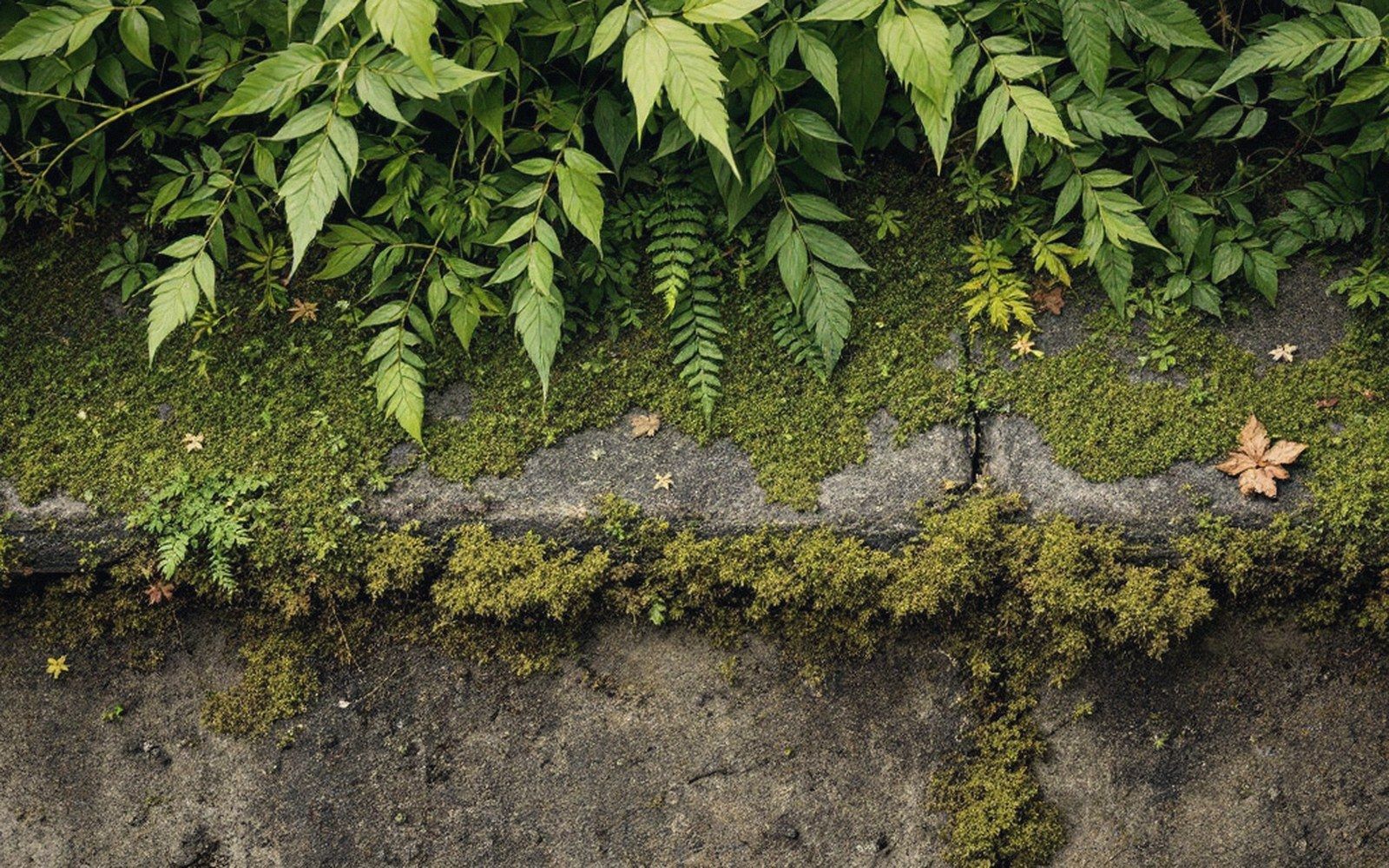
The standard commercial installation uses sedum mats: pre-grown modules of Sedum acre, S. album and a handful of close relatives, rolled out like turf on the day of fitting. They establish quickly, suppress weeds, and stay green enough in dry spells to satisfy a planning condition. What they do not do, particularly, is change. A sedum mat at five years looks much like a sedum mat at installation. Ecologically it behaves more like a green painted surface than a living community.
The more interesting story happens on roofs that are not actively managed, or on biodiverse roofs designed from the outset with varied substrate depth, rubble patches, bare gravel, and introduced plug plants. Here the community develops. Festuca grasses establish in deeper pockets. Mosses colonise the shadowed faces of gravel ridges. On older unmanaged roofs in London and Basel — two cities with documented long-term surveys — invertebrate assemblages have been recorded that are genuinely unusual: solitary bees using bare substrate for nesting, beetles associated with dry grassland, spiders that need the combination of warmth and open ground that no urban surface at ground level provides.
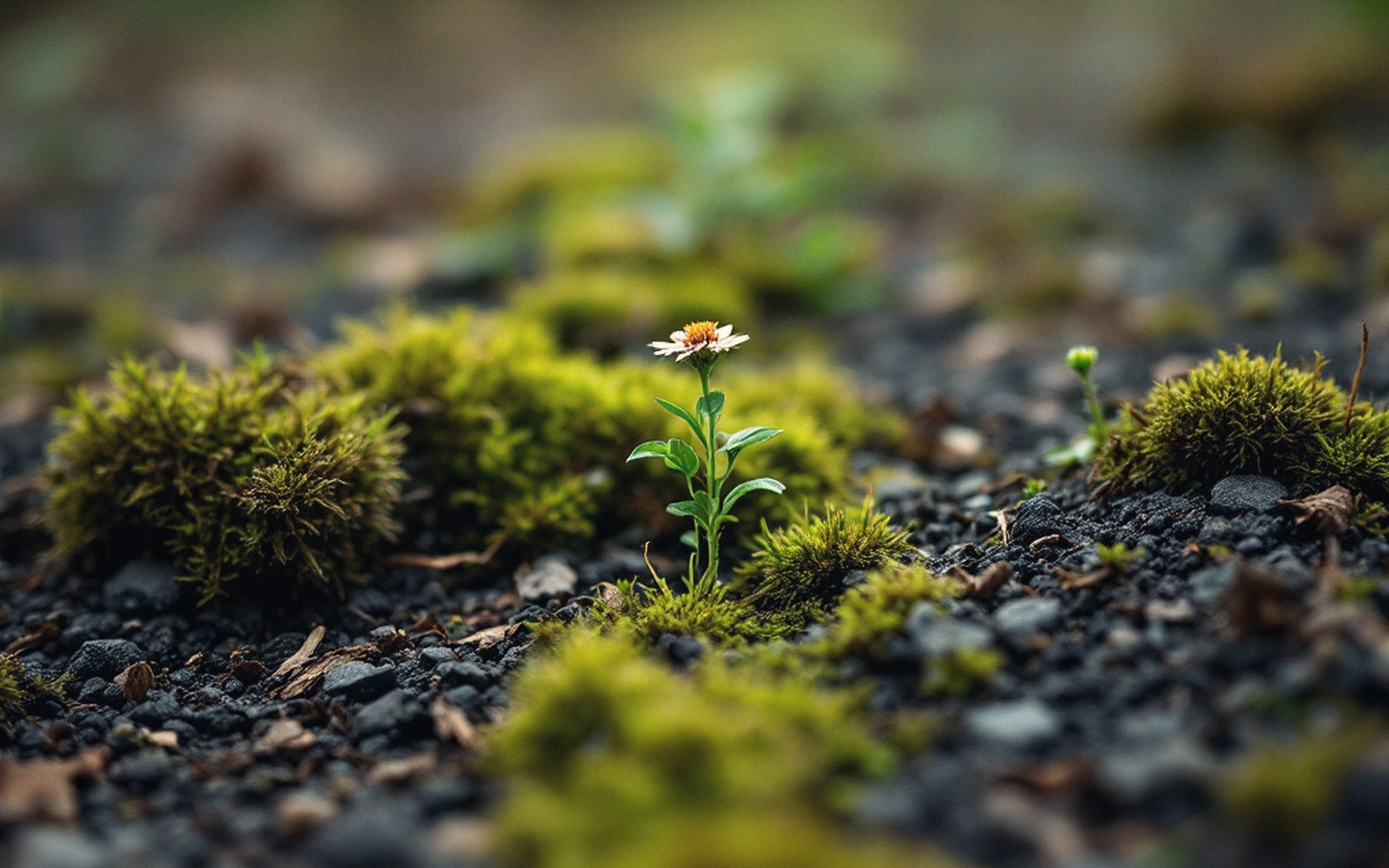
The key variable is substrate heterogeneity. A uniform fifty-millimetre layer produces a uniform community. Introduce variation — a ridge of crushed brick here, a slight hollow that retains moisture there — and the number of microhabitats multiplies. Species that would never coexist on a flat monoculture find separate niches within a few metres of each other. This is the same principle that operates at ground level in railway ballast and on rubble ground generally: the disturbance and the texture, not the substrate itself, do the work.
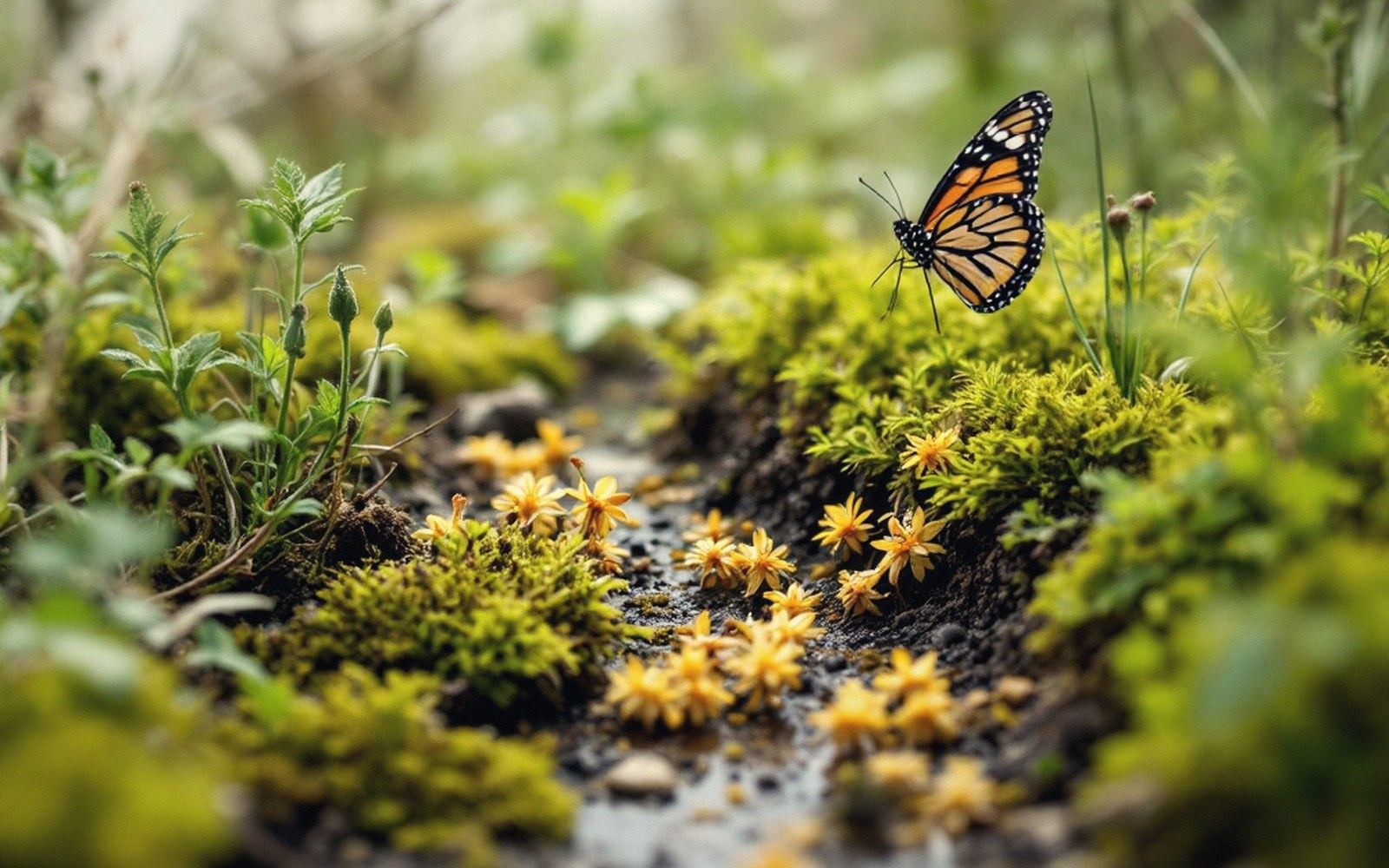
What persists on a green roof, then, is not whatever was planted. It is whatever can tolerate repeated desiccation, rapid temperature swing and substrate that provides almost no buffering. That filter is severe. The community it produces is genuinely distinctive — not impoverished countryside, but something adapted to conditions that barely exist anywhere else in a city.