The frame and what it demands
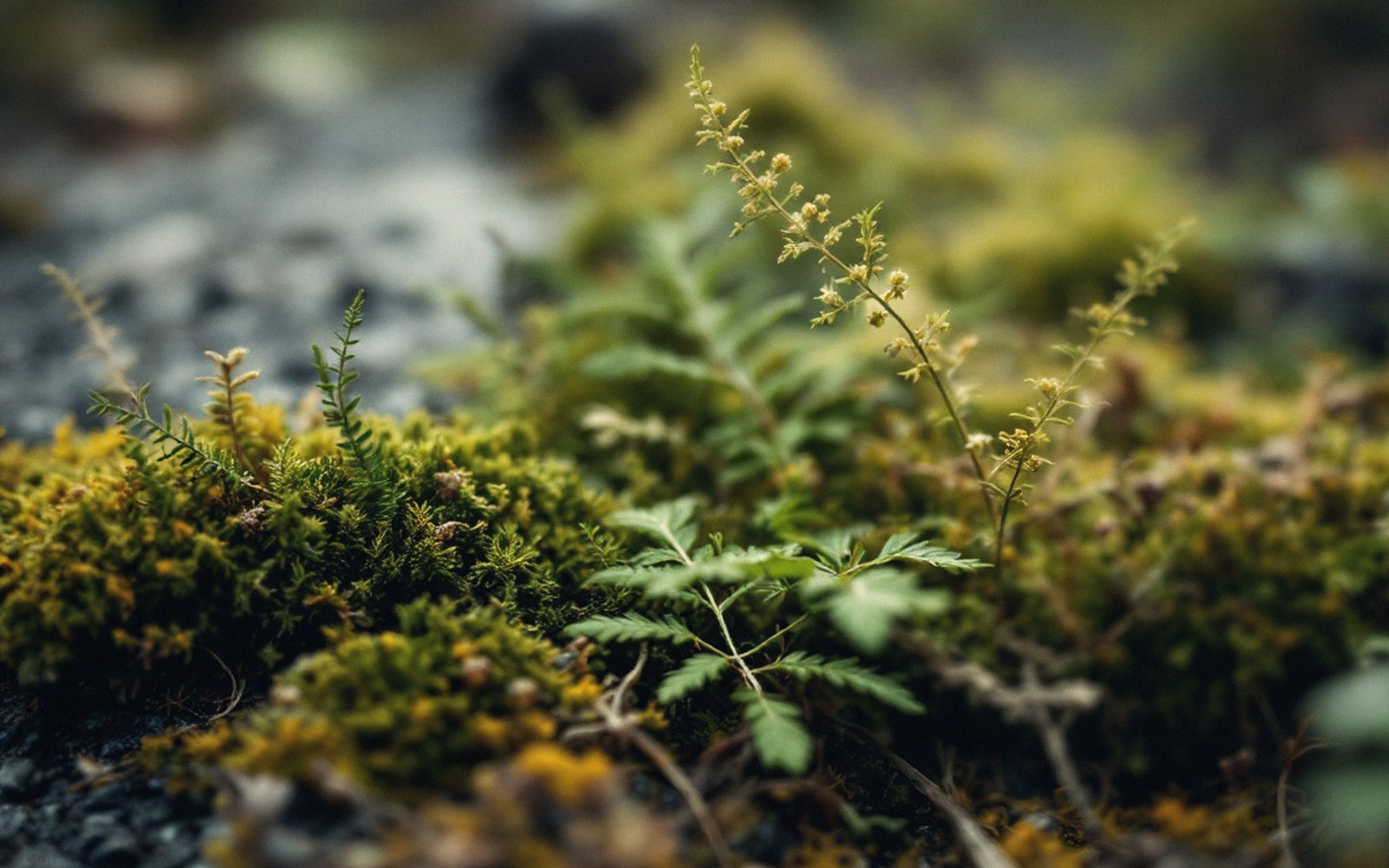
A quadrat is, at its simplest, a square boundary — metal rod, string or plastic tubing — placed on the ground to define a sample area. Standard sizes run from 0.25 m² for grassland bryophytes to a full metre square for herb-layer work and larger frames for shrub or canopy surveys. The square itself is not the point. What matters is everything that surrounds the decision of where to throw it.
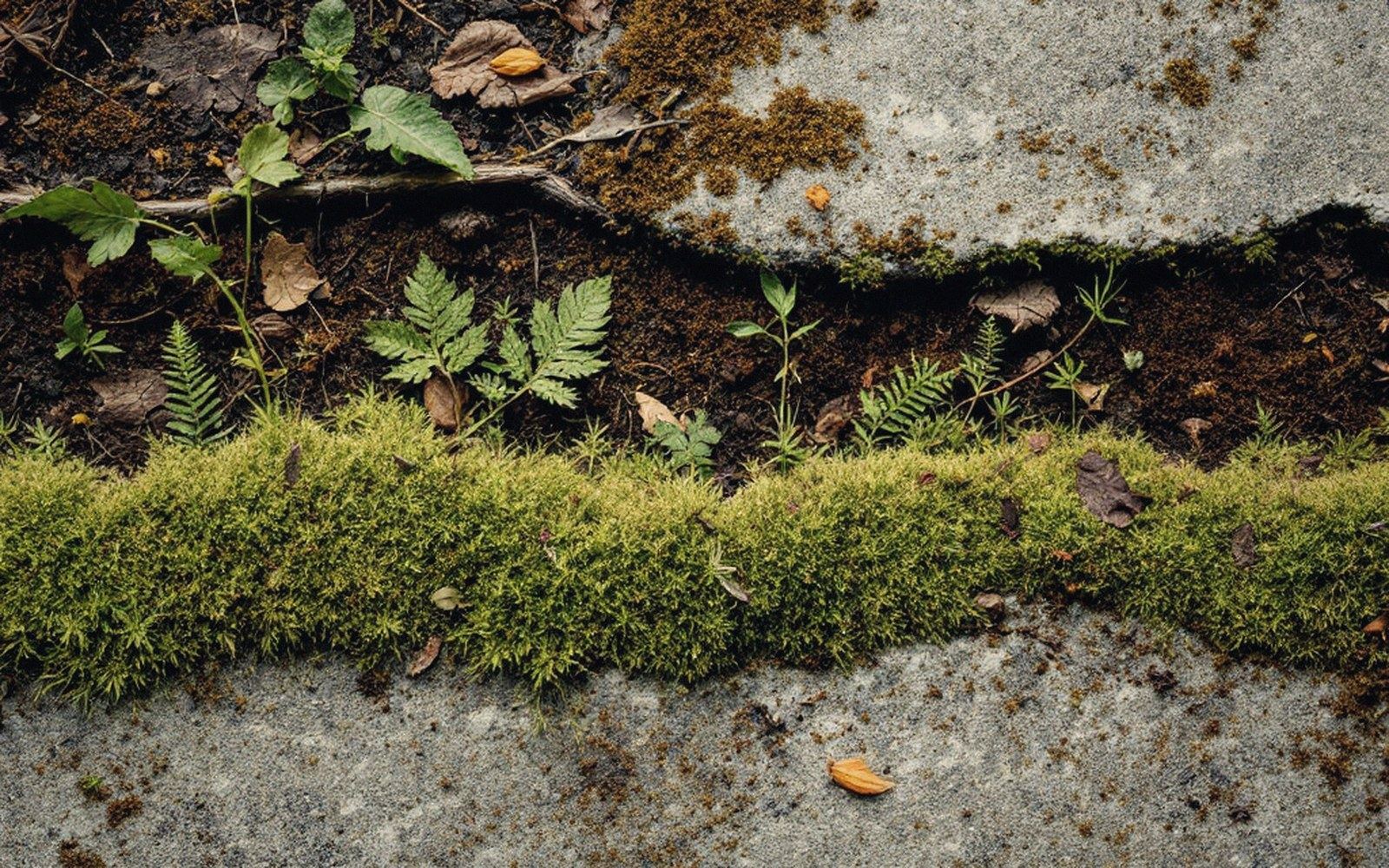
Drop a quadrat wherever your eye is caught by something interesting and you have not sampled the vegetation — you have sampled your own attention. The patch of unusual colour, the dense clump, the gap where nothing grows: these are precisely where a researcher must not put the frame, unless the study is specifically about that feature. Ecological sampling requires that the quadrat lands in a position chosen independently of what is there. That means random coordinates, a grid, or a truly pre-committed transect interval — never a retrospective "that looks representative."
Inside the frame, the discipline continues. Percentage cover is estimated for each species present, often using the Domin scale or the simpler Braun-Blanquet cover-abundance values. Both are ordinal scales, not percentages in the strict sense; treating them as raw numbers in a statistical test is a common and consequential error. Presence and absence alone, without cover, can answer some questions but not others. Knowing which question is being answered before the frame goes down is part of the method, not an afterthought.
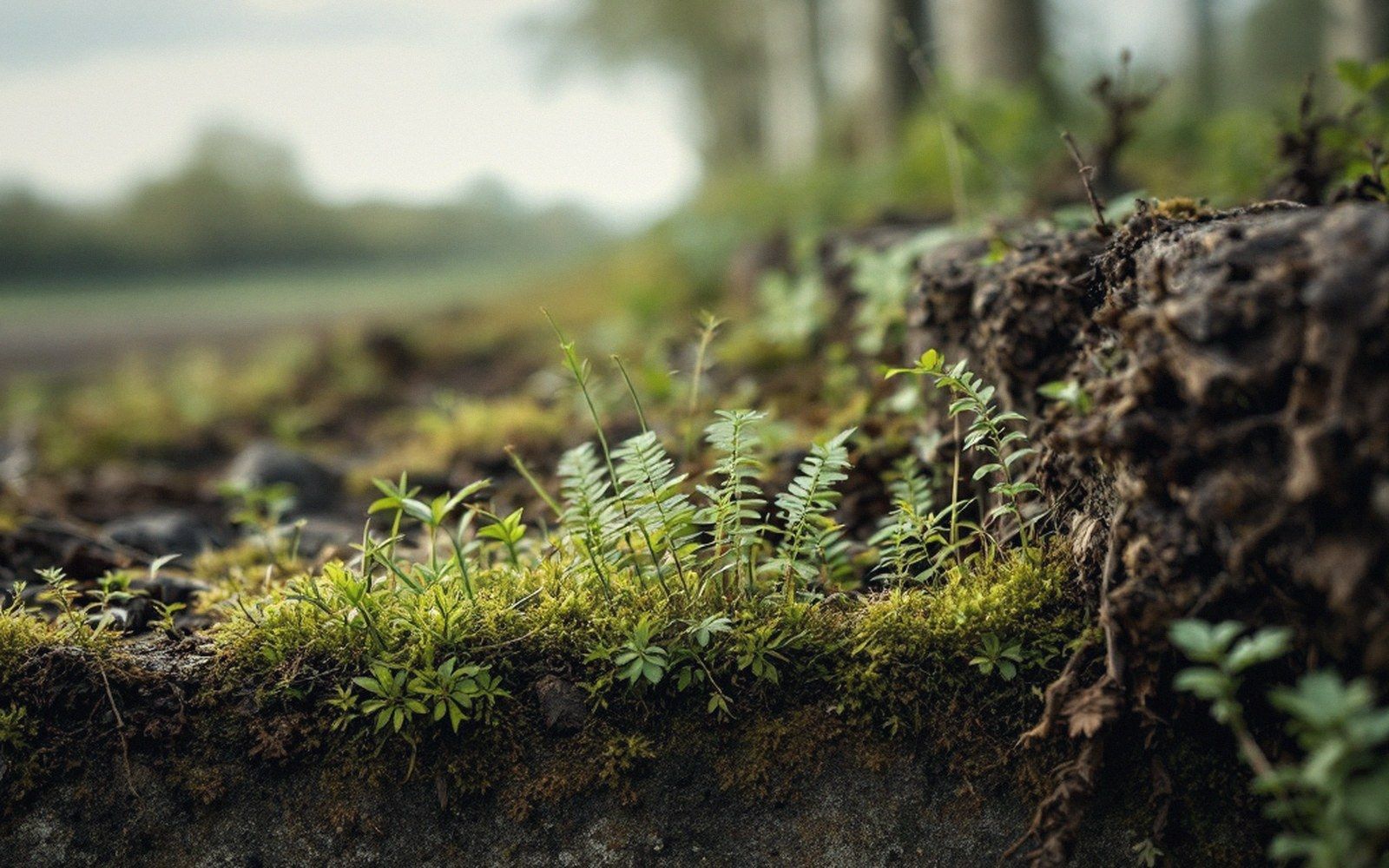
Quadrats used in isolation give a snapshot. Their value multiplies when they are embedded in transects — placed at fixed intervals along a fixed line so that change across space, and change through time on repeat visits, can actually be measured. A single quadrat tells you what is here. A grid of them, revisited across years, tells you what is happening. Most of the claims made about vegetation change — after grazing is removed, after fire, after flooding — ultimately rest on somebody having placed a frame carefully, written down what was inside it, and come back to do the same thing again.