Nothing goes back exactly
Restoration produces a new state. The question is whether it is a useful one.
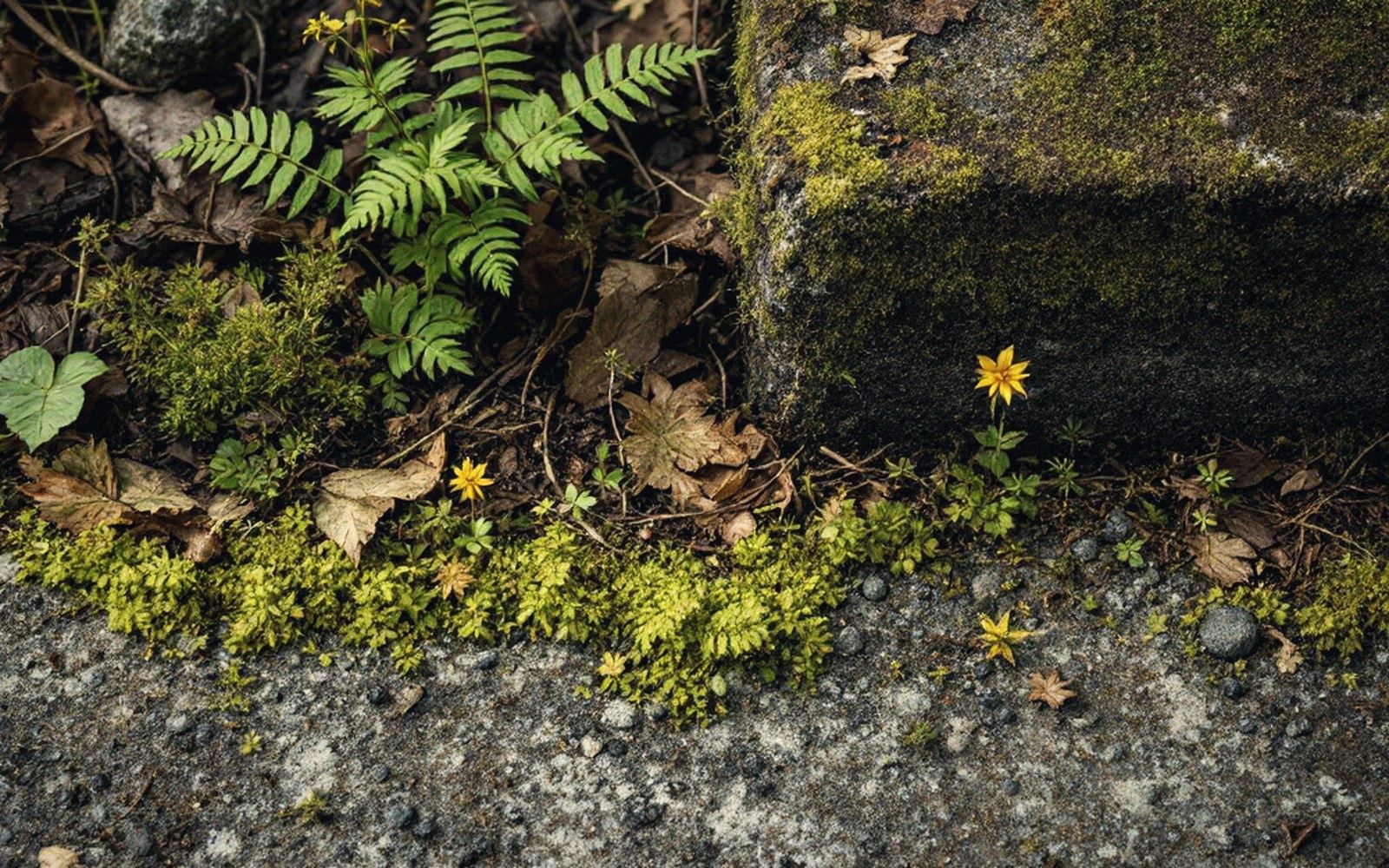
What returns is not what was there
When a habitat is restored — a field re-wetted, a woodland thinned, a chalk grassland cleared of scrub — the process is commonly described as turning the clock back. The metaphor is convenient and almost entirely wrong. What grows back, what moves in, what occupies the soil is assembled from whatever is available at that moment: the seed bank inherited from the disturbed phase, the species pools in nearby fragments, the dispersers that happen to be ranging that year. That is a different set of ingredients from the one that built the original community, and it produces a different result.
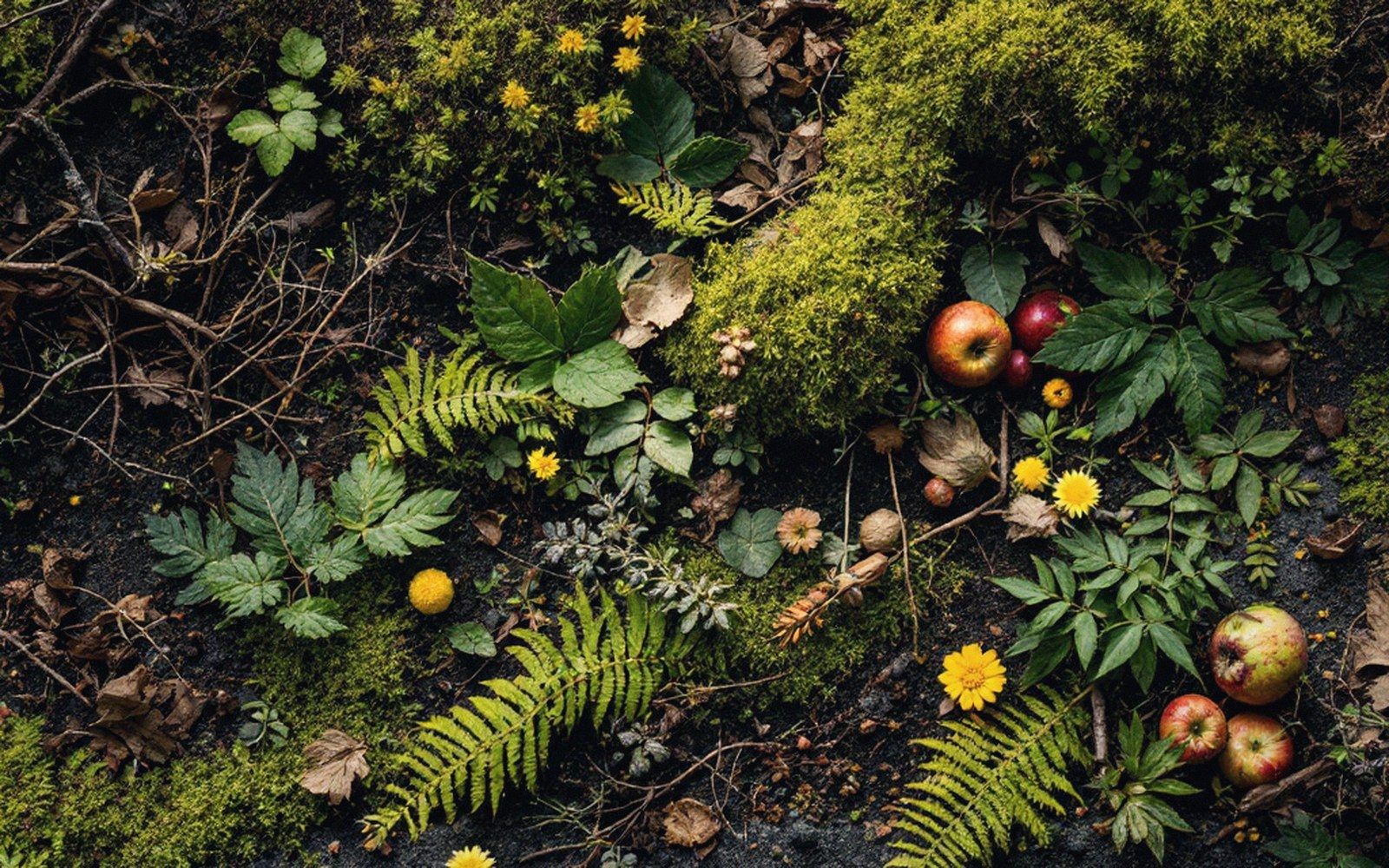
The gap in time matters enormously. A meadow abandoned for five years can be recovered with some confidence; one left for fifty has lost its slow-establishing species — the hemi-parasitic yellow-rattles, the deep-rooted vetches, the orchid mycorrhizas — and the window for their return has closed unless someone actively reintroduces them. Soil chemistry shifts across those decades too: nitrogen accumulates, structure compacts, the invertebrate fauna in the litter changes. Restoration then is working on altered ground, with an altered species pool, under altered regional conditions. The starting point is simply not the same.
Ecologists use the term novel ecosystem for a community that has no historical analogue — not degraded, not recovering, but genuinely new in composition. Many restored sites, if examined honestly, qualify. The vegetation cover ticks most of the historic boxes; the insect assemblage does not. Or the hydrology has been recovered but the amphibian community never re-establishes because the nearest source population is twelve kilometres away across a matrix of arable land. Partial return is the norm.
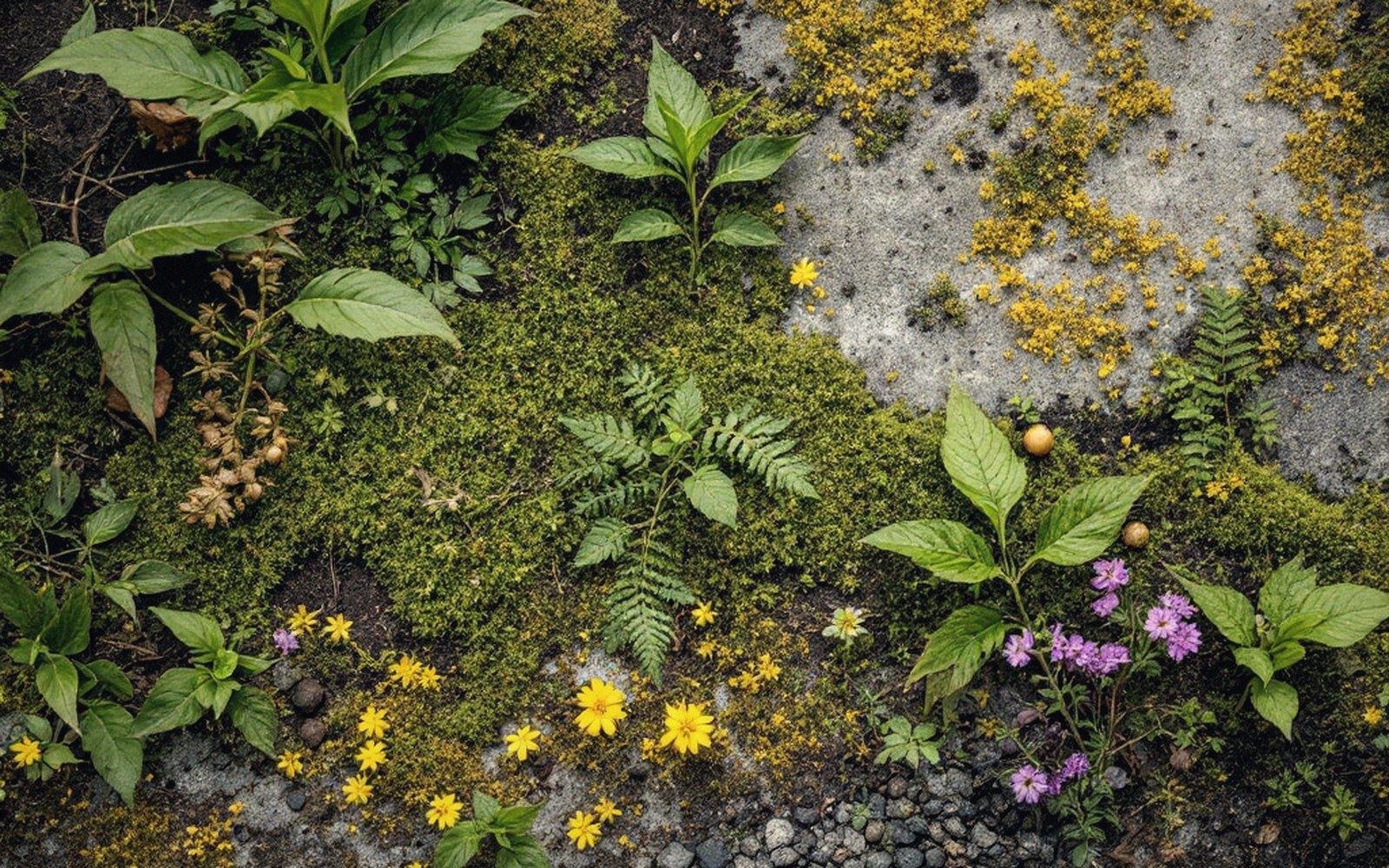
None of this means restoration fails. It means the honest measure of success is not fidelity to a past state — which is usually known imperfectly anyway, from old photographs and pollen cores — but ecological function: is water being retained, carbon being cycled, invertebrates being supported at useful densities? A restored reedbed that never matches its pre-drainage species list may still hold bitterns, filter nutrients and buffer flood peaks. That is not failure. It is just not reversal.
The practical consequence for anyone walking a restored site is to stop reading it as a reconstruction and start reading it as what it actually is: a current community, shaped by its specific history, its neighbourhood and its contingencies. That community has its own logic. It repays attention on its own terms.